

This silent underpinning has a profound musical and presentational impact. Play something as hackneyed as Brubeck’s ‘Time Out’ (from the album of the same name, Audio Nautes AN-2511-KD) and there’s a newly explicit quality to the timing and note length that invests this most familiar of audiophile clichés with a new sense of expressive range and engagement. I’ll come back to jazz (and horns in particular) in a moment, but first, let’s go smaller still…
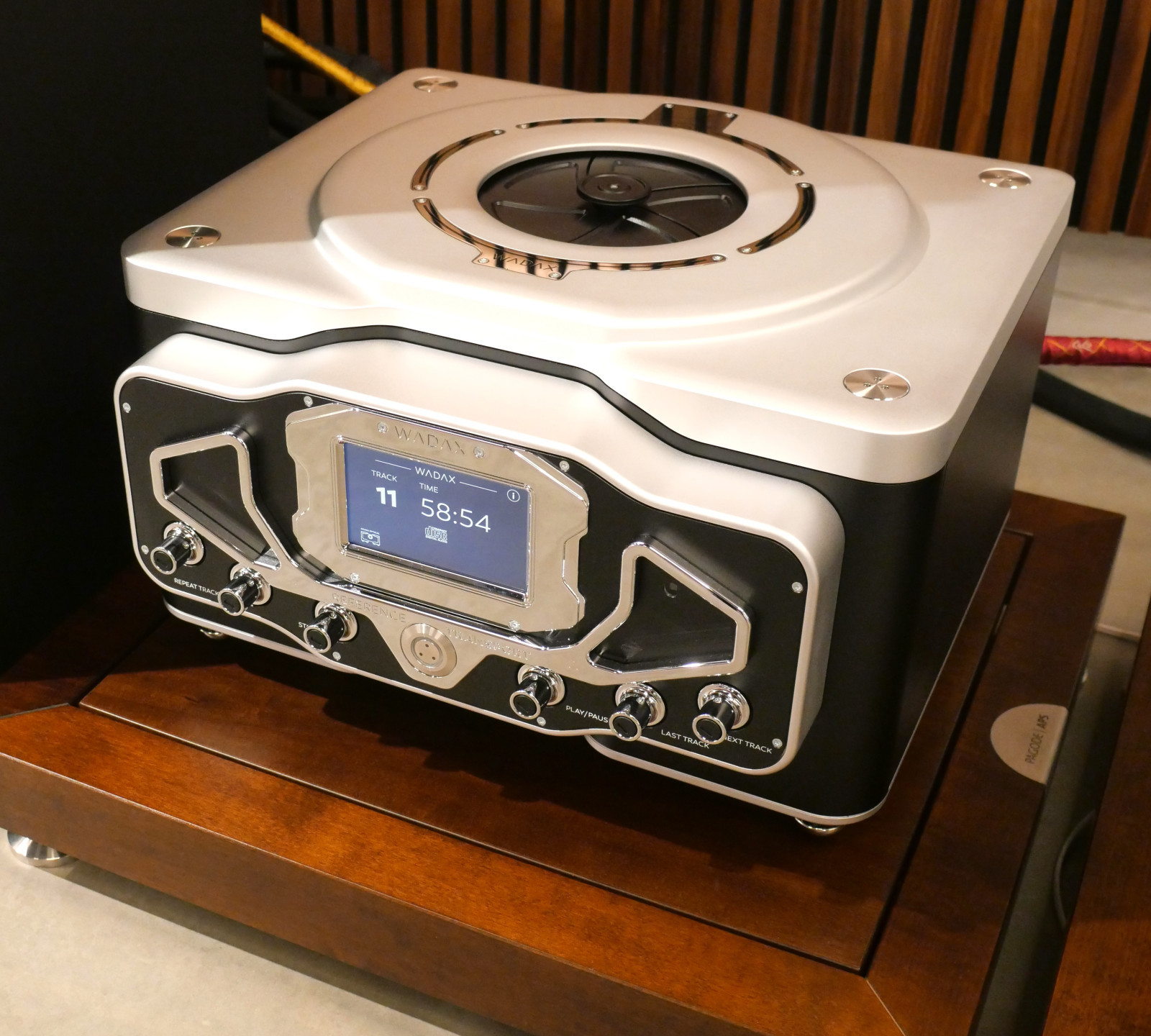
Isabelle Faust and Giovanni Antonini’s Locatelli disc, il virtuoso, il poeta (with Il Giardino Armonico, Harmonia Mundi HMM 902398) is a recently released delight. The small group arrangements are played with real vigour and purpose, while Faust clearly delights in the extravagant displays demanded from the soloist. This is an air guitar recording for classical fans, with the sort of musical engagement and dynamic contrasts that positively encourage the frustrated conductors amongst us. Possibly my favourite track on what is a consistently excellent album, is the Violin Concerto in A major, Op.3 No.11. The first movement features a rhythmically robust and energetic opening that sets up a stark contrast with the solo part, a part whose fragile line seems to extend ever upwards until it’s teetering on the very top registers of the violin, before swooping down to engage with the orchestra’s enthusiastic recapitulation. The system makes the band’s concentrated energy, life and intent effortlessly convincing and engaging. But it’s the combination of poised delicacy, focus and stable presence that it brings to the solo part that’s breathtaking. I literally found myself holding my breath as Faust navigated her instrument’s upper limits with a virtuoso display of balance and technique. But this system goes further and deeper into the music than that. It was possible (almost impossible not) to visualise Faust’s bowing, while the phrasing, subtle pauses, prompts and accents in the line were as natural as they were clearly played. It was a performance that, at the end of the movement provoked spontaneous applause from the (non-classical) listeners present – a response that pretty much says it all.
This ability for instruments to be simultaneously both substantial and delicate is one of the great divides between live performances and recordings of them. It’s a chasm that this system bridges effortlessly. Whether it’s the astonishing dexterity, precision and focussed energy of Sol Gabetta dominating Vivaldi’s Winter from The Four Seasons (with the transcription of the first violin’s solo part for cello, Il Progetto Vivaldi 1-3, Sony 8887503952), the delicacy and artistry of John Williams’ picking, the attack and tonal density in his strummed chords (the beautiful Danzas Peregrinas from Concerto, JCW3 on his own label) or the vivid energy and intensity of Anastasia Kobekina’s playing, the subtle accompaniment and explosive interjections of the tambourine, on the track Gallardo (from Ellipses, Mirare MIR604), there’s a natural sense of uncompressed energy (micro or macro), dynamic graduation and proportion that is vividly, compellingly convincing.
Gentle giants…
What makes a speaker system this large and this physically imposing so easy to ignore and ultimately forget? The key lies in that presentational quality that’s so apparent in these smaller recordings: quiet. It also lies in the fact that whilst the Majestic might look like a conventional, dynamic loudspeaker, albeit one built into a remarkably complex shaped cabinet, there actually almost nothing conventional about the drivers or the cabinet. Despite appearances, the Divin speakers apply a unique approach and unique technology to a familiar problem, an approach and technology that are clearly reflected in the unique results achieved.