As an audio journalist, you get to visit many a speaker factory and, with very few exceptions, it’s pretty much a case of seen one, seen ’em all. Sheet-fed CNC lines turn slabs of veneered MDF into ‘fold-up’ cabinets that are then stuffed with drivers. Walk into the Peak Consult facility and you immediately realise that you aren’t in Kansas anymore – or B&W, KEF or Focal. Where you are is in a good old-fashioned wood-shop. A place where people use a range of human operated tools to cut, shape and bond wooden panels to be combined and then construct loudspeaker cabinets, no more than several at a time. This is a low-volume, hand-built, artisan process – from beginning to end. It’s a process that owes more to judgement and feel than it does to four-axis precision milling, high-speed routers and complex computer code. It’s not entirely without its computer controlled elements, with cut-outs for drivers and reflex ports and rebates for terminal blocks all CNC machined, but the edge to edge construction is all a function of hand and eye. At heart, this is a furniture shop – as you can tell from the huge number of sash-clamps (large and small) hanging on every rack, so as to be ready to hand.
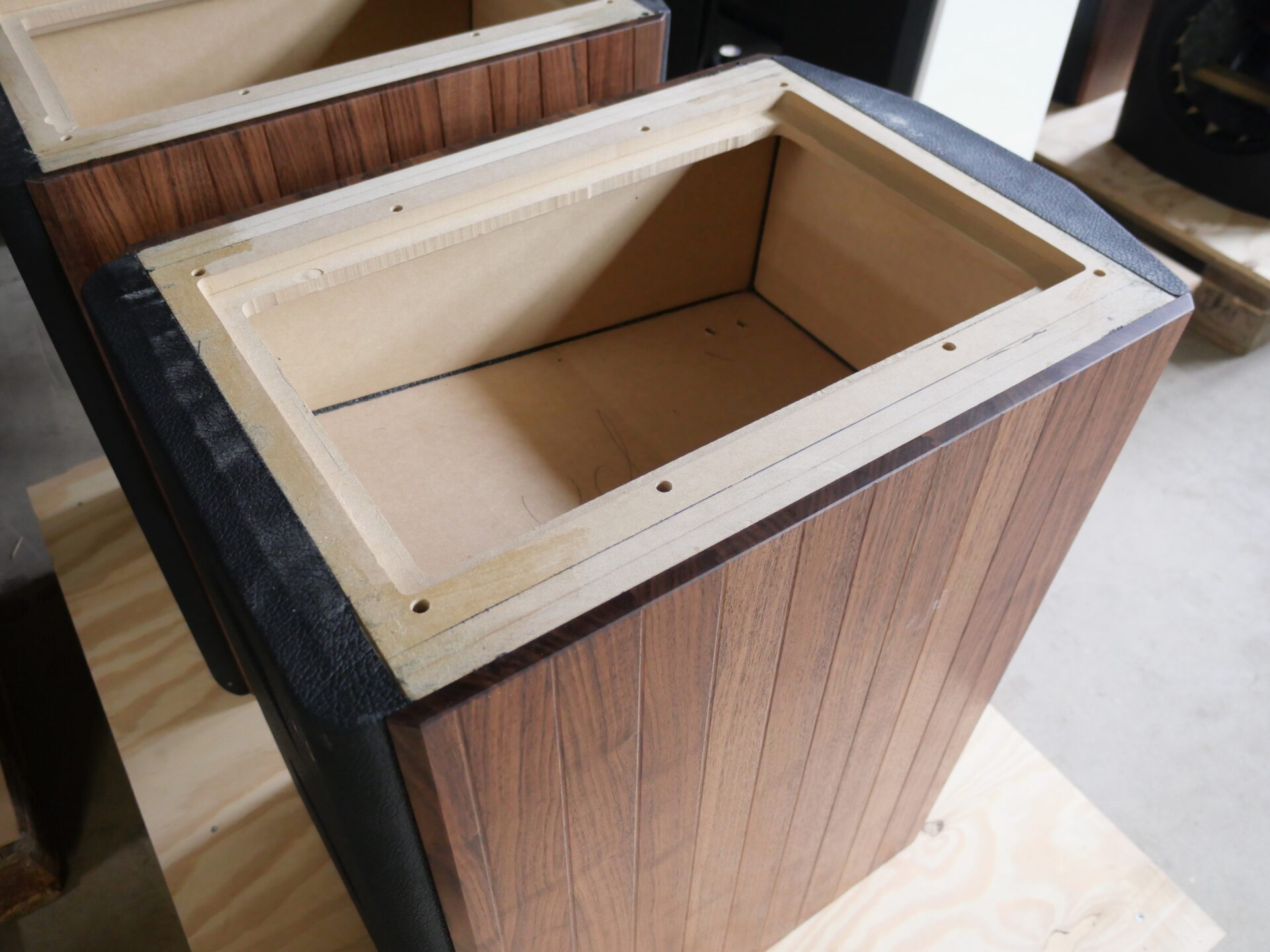
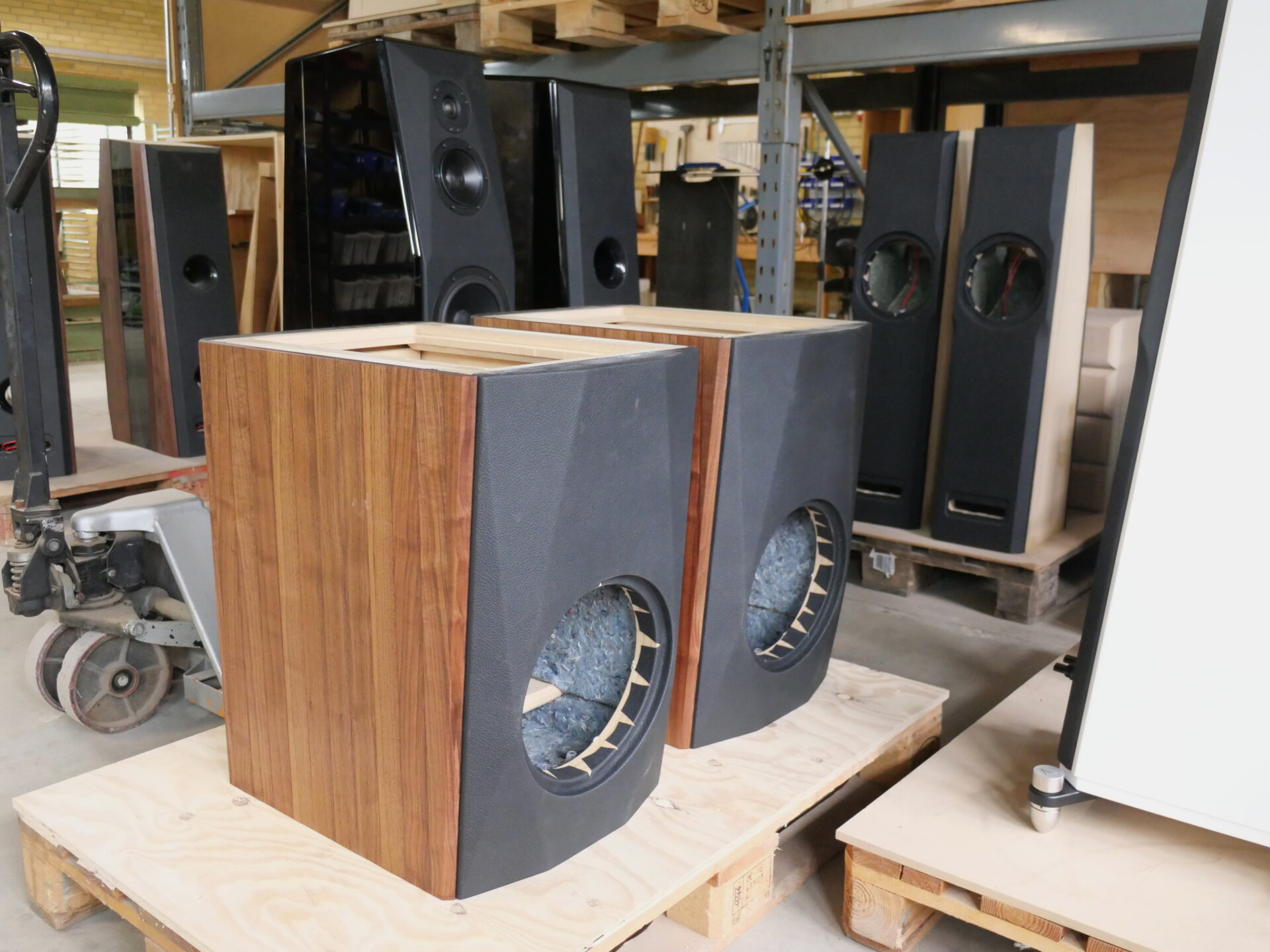
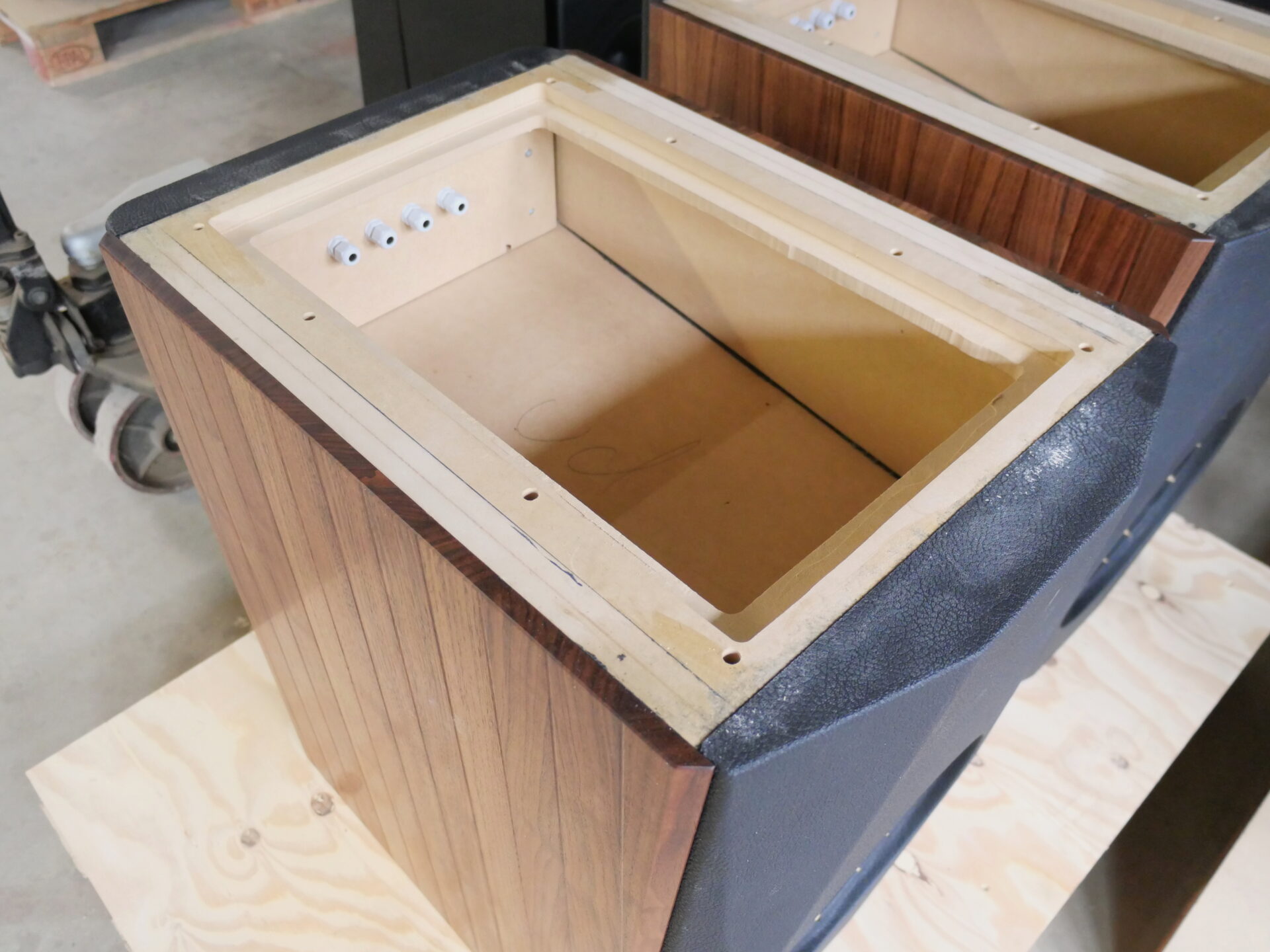
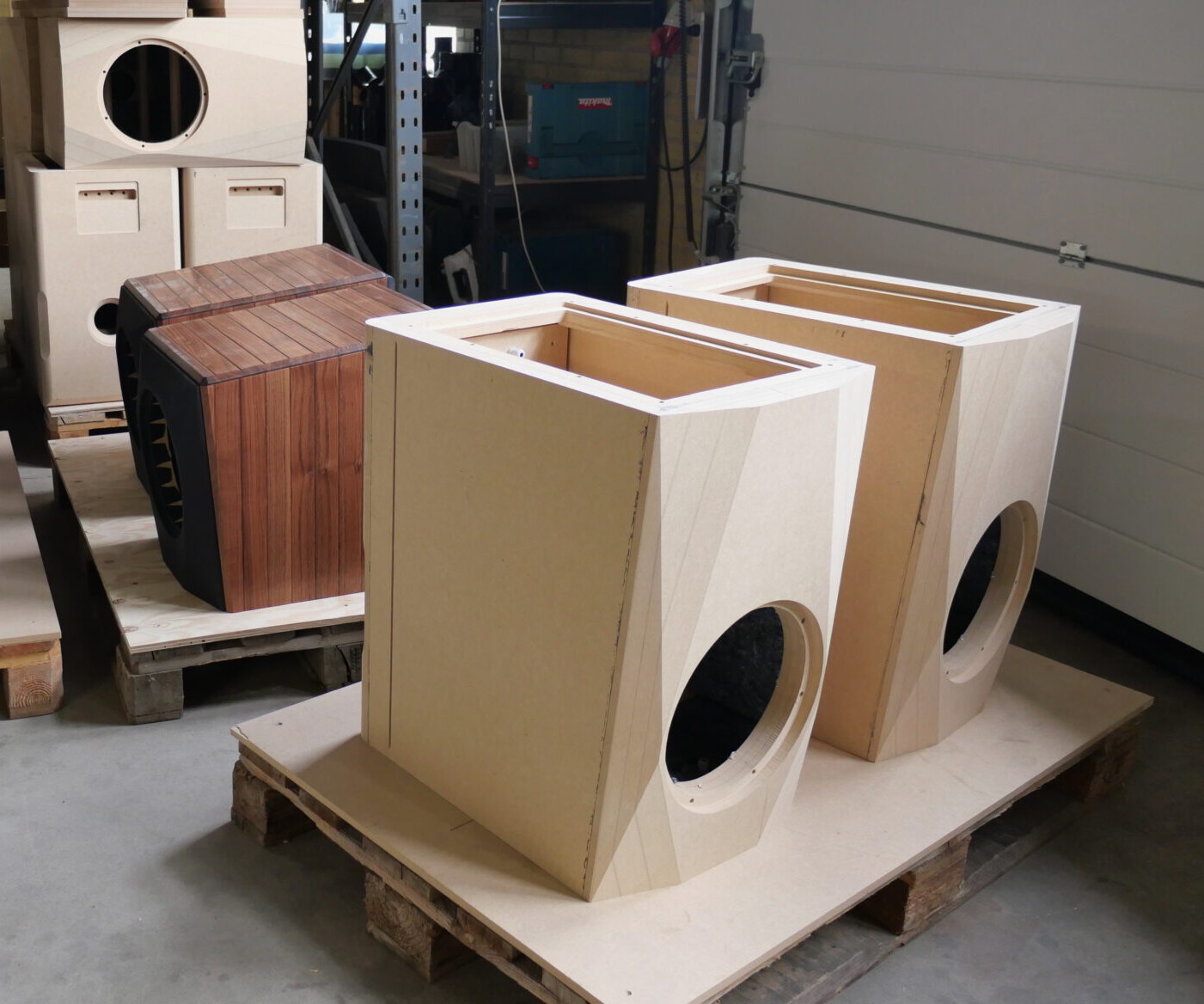
Each cabinet starts out as a set of 12mm HDF panels that are first bonded together, normally using a visco-elastic adhesive (that is, one that doesn’t set hard). Depending on the speaker model and the position of the panel within the cabinet, the laminated ‘sandwich’ might consist of two, three or four layers of HDF, the thin, soft ‘filling’ creating a constrained layer construction that’s stiff, heavy and yet capable of absorbing/dissipating considerable energy. They can also be readily shaped or profiled into the complex facets and curves that you see minimising the diffraction effects from the front baffle of a Peak speaker. Once shaped and fitted, the panels are glued and clamped into three-dimensional boxes.
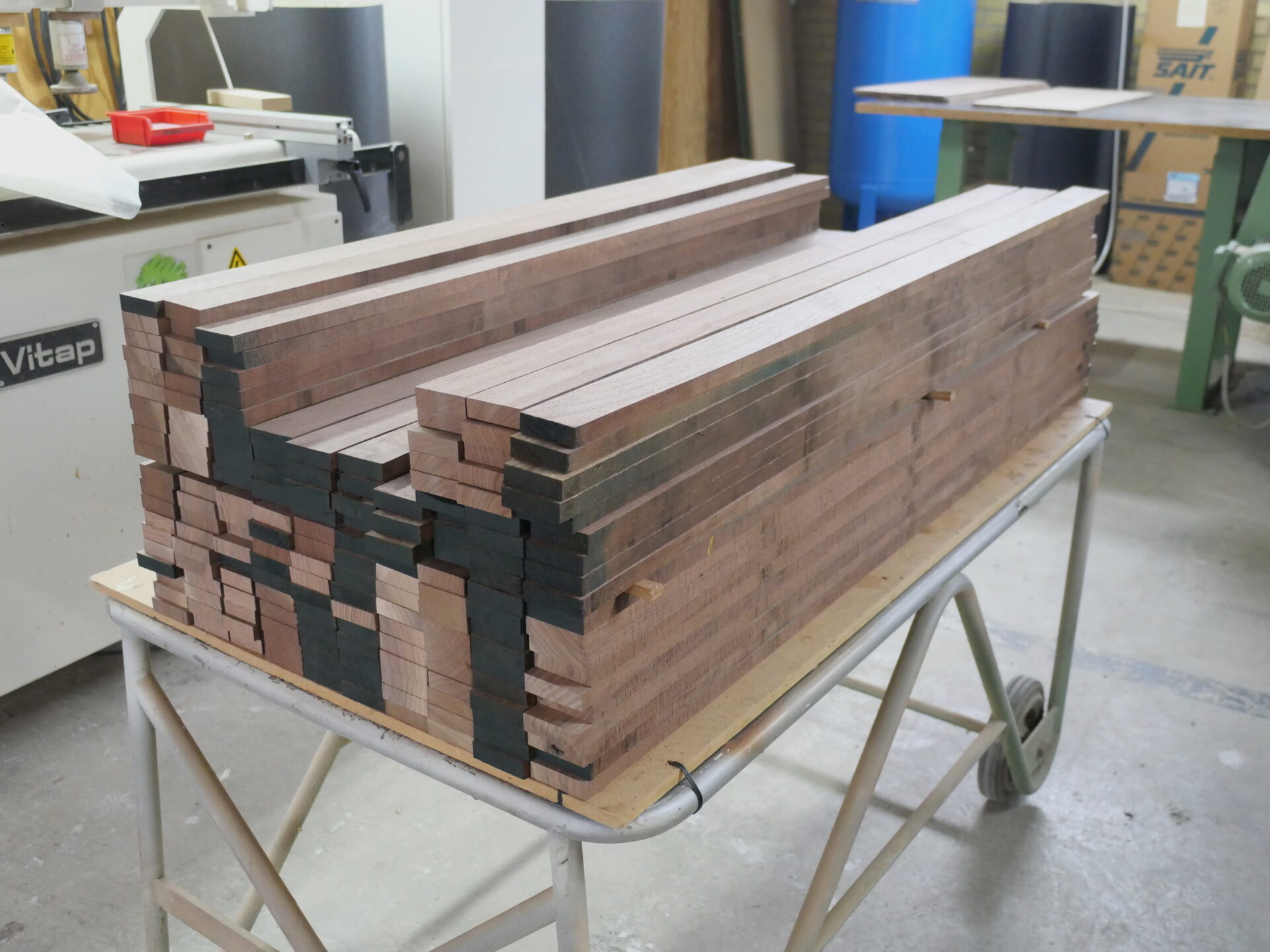
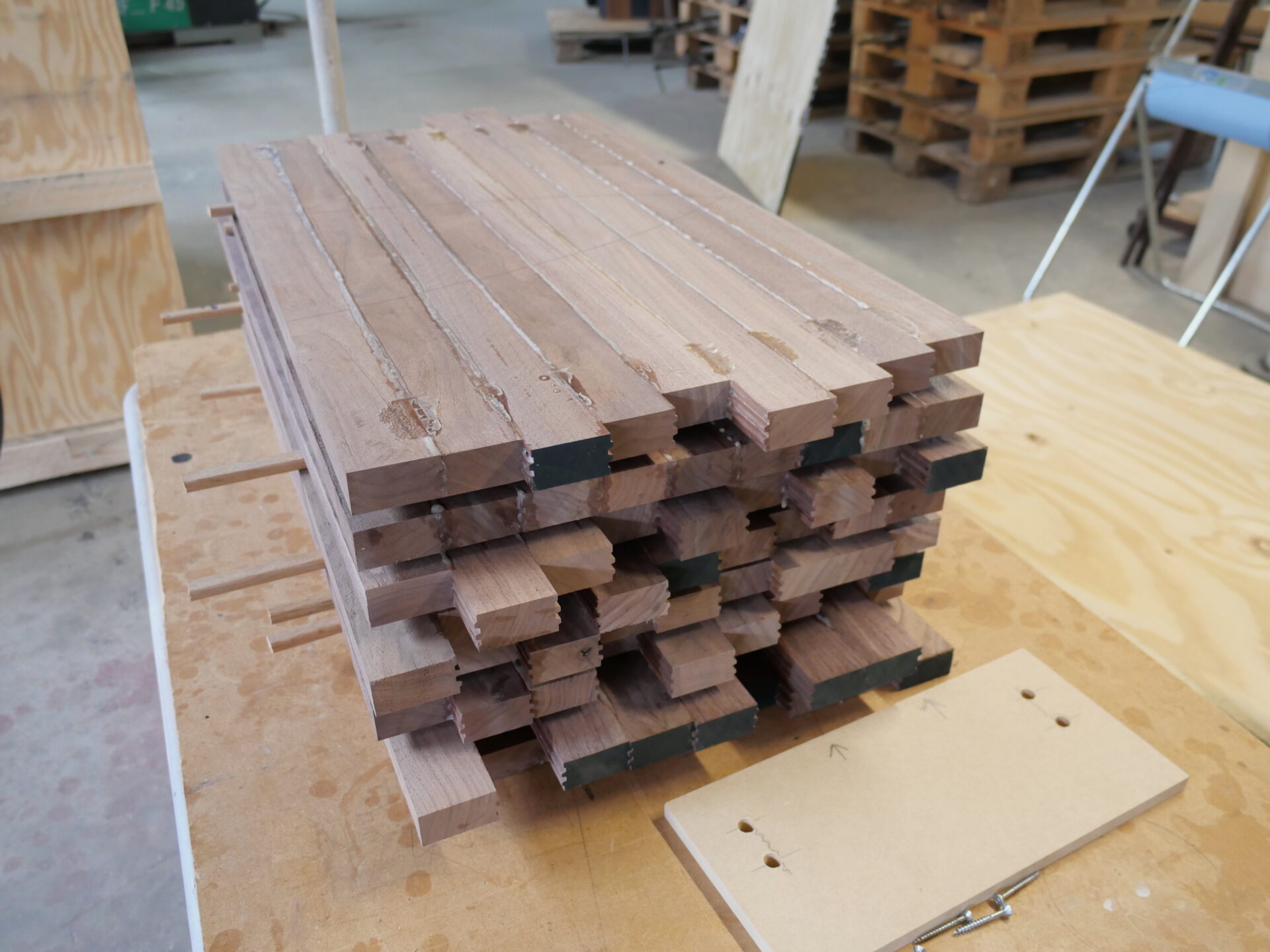
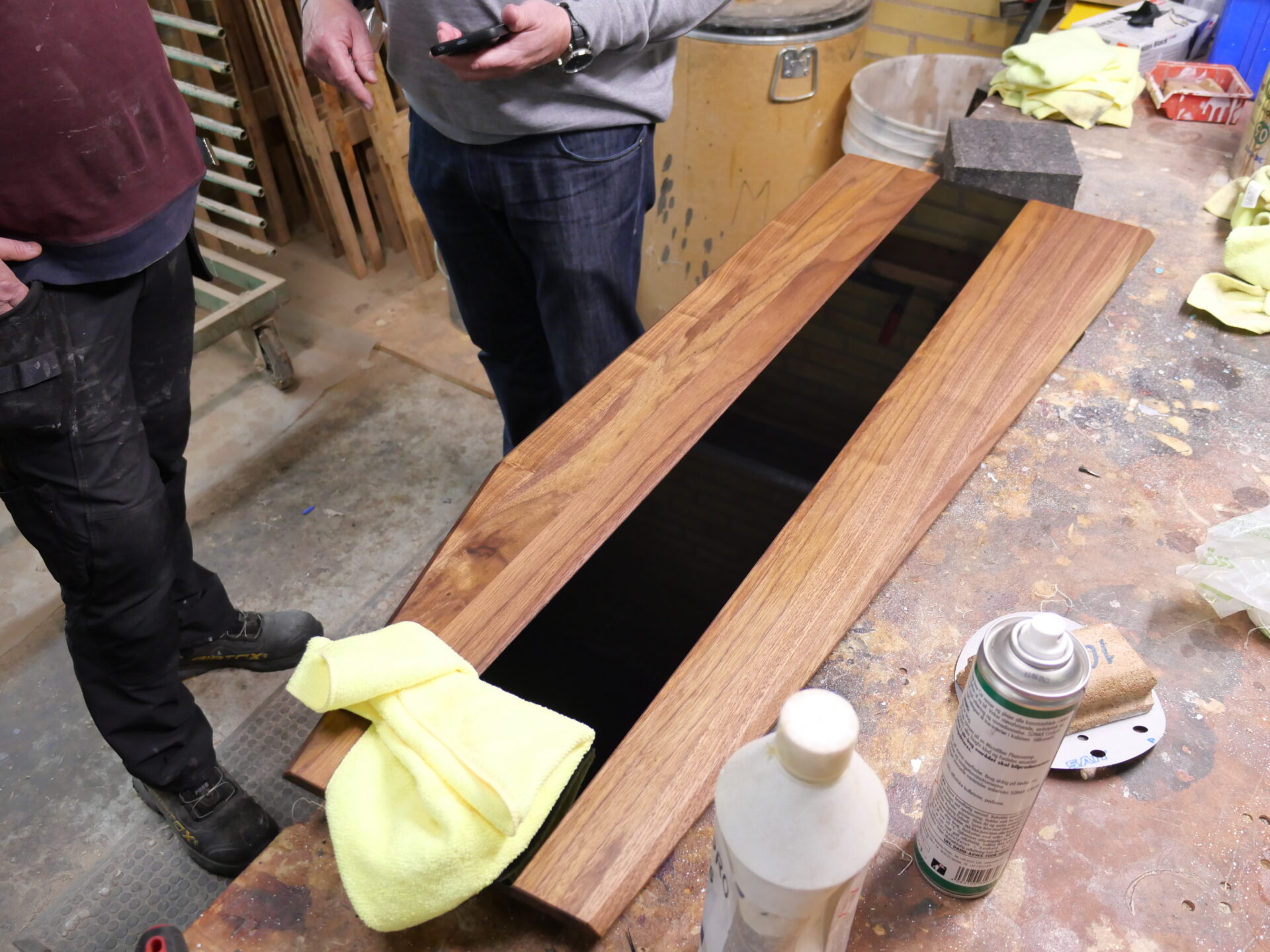
The outer faces of each cabinet are now finished and prepared to receive their outer cladding, the hardwood layer that makes both an aesthetic and sonic contribution. Strips of Wenge or American Walnut, roughly 30mm wide, are bonded, edge to edge to create a broad ‘plank’ that, shaped and glued to the cabinet adds another stiffening, dispersive layer. This is no slap-dash procedure, with strips carefully selected and positioned or aligned to match the colour and grain of their neighbours, maintaining the natural beauty of the wood and avoiding unnatural shifts in shade or texture. It takes experience and a good eye, especially as the final result isn’t necessarily obvious from the surface and can’t be judged until the four coats of two different oils have been hand-applied to the finished panel.