
Before the hardwood skin can be attached, the front and rear baffles must be wrapped in a faux leather fabric, originally developed for the roofs of automobiles. It’s tough, doesn’t fade in the sun and it too adds a subtle damping effect to the baffles. With no grilles to hide the drivers, fitting and finishing around them, as well as the complex curves and angles of the baffle demand extreme care in order to avoid creases, wrinkles or undue stretching that might sag or loosen over time. It’s exactly the same care and attention to detail that is visible in the selection of those wood strips and in the execution of the speakers’ elegant outrigger bars and adjustable feet. But it extends well-beyond fit and finish or simple aesthetics. The fact that the company supplies a torque driver with each speaker demonstrates just how serious they are about delivering not just consistently excellent standards of construction and surface finish, but consistent musical quality too. The audiophile tendency to tighten bolts as tight as possible – and then some – is neither the best policy nor the route to best performance. Driver fixings must be tightened evenly, avoiding distorting the basket/face-plate, or introducing torsional stresses, any or all of which could result in resonant peaks within the driver’s structure and thus, a direct impact on musical performance. Yet how many manufacturers supply a torque driver, or even publish torque settings for mounting their speaker drivers?
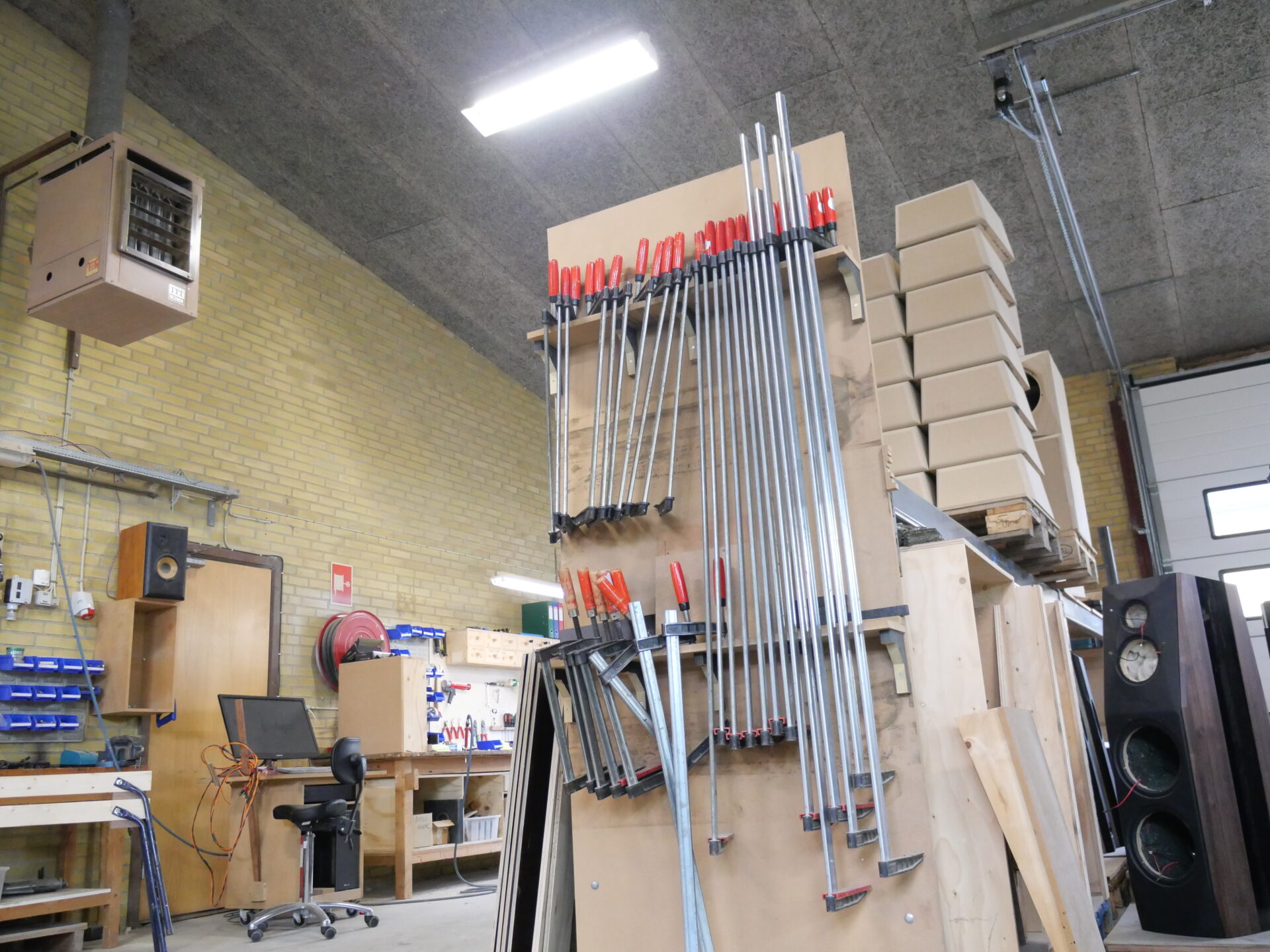
Which brings us to Chapter Two of the Peak consult story. As I’ve already pointed out, any speaker is a system. The best cabinet demands the best acoustic/mechanical design to go with it, if it’s going to deliver the best possible performance. Recent developments in speaker measurement have opened up a whole new tool box for both driver and system design – but a toolbox that, just like a box of chisels, needs practice and experience to use – practice and experience that was outside Per Kristoffersen’s skill-set. It’s no longer sufficient to simply match off-the-shelf drivers and components by ear. With that in mind, in 2021 he decided to sell the company, but new investors Wilfried Ehrenholz and Lennart Asbjorn Jensen were canny enough to recognise that this was a cabinet looking for up-to-the-minute driver and crossover design like a wedding dress is looking for a bride.
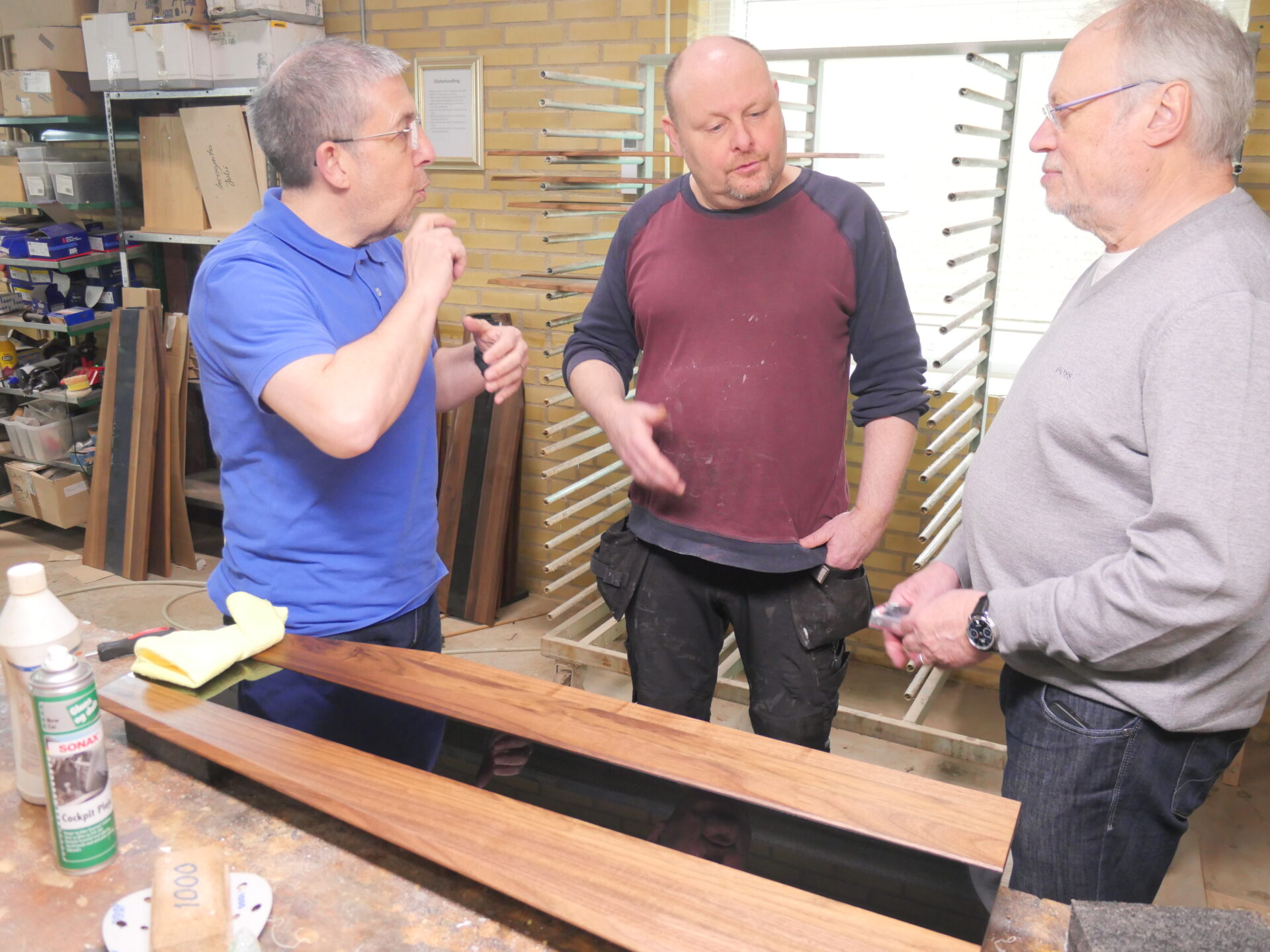
The history of outside investors buying into audio companies hasn’t always been either pretty or successful. In too many cases it has signalled the beginning of the end, but these are no ordinary investors. Wilfried Ehrenholz is the man who established and built the Dynaudio brand, before retiring to pursue a quieter life. In this case, that ‘quiet’ life incorporates a significant interest in Peak Consult and responsibility for on-going product development – the chance to apply his ideas and experience to performance orientated products without the price constraints that applied to so many Dynaudio projects.