This performance and presentation speak volumes about the Blue Heavens’ balance of virtues. There’s the familiar sense of pace and rhythmic organisation that have always been Nordost strengths, sometimes that speed bought at the expense of weight and harmonic development. But here it’s joined to instrumental body and substance, harmonics and overtones, space not just around but between instruments. This sense of musical balance between speed and attack, body and weight – a balance that allows performances to breathe and music to swell or contract at will – is a quality that Nordost’s cables have been moving towards from Day 1. They first hit the jackpot with Valhalla 2 (no coincidence that this was also their first cable line that used the proprietary, mechanically and physically matched, low-mass Holoplug connectors). Since then, this sense of balance has spread across first the Reference Series cables and then the mid-level Norse Series. With the third generation, it has reached the entry-level Leif Series, with if anything, an even more fundamental step-up in musical performance.
There’s a widely held belief that Nordost cables sound bright and thin – largely founded (I suspect) on the misapplication of earlier cable designs that hadn’t been run in. Well, if that has been your experience, it’s time to seriously update your opinion. Given its sheer substance and presence, you’d be hard pressed to describe the Blue Heaven 3 as either bright or thin. The pianos’ attack is clean and crisp, with no hint of hardness right across the range. The left-hands are weighty and sonorous, without being sluggish or slowing the music. They have that proper, explosive leading edge and rich, complex decay, without clogging or slowing the mid-band, allowing the system to navigate changes in musical density convincingly and dramatically. Dynamics might not be full-range (at least in absolute, O2-type terms) but they are beautifully scaled and weighted, underlining their musical intent and importance – and if they don’t jump quite as high as they should, the body and focus delivered by the cables means they still jump with enough unimpeded energy that you never feel the system’s holding the music back or cramping its style. What matters here is not cause, but effect – and the Blue Heaven certainly ‘sounds’ impressively dynamic. It’s just that in this case it’s more about expressive range, rather than pure dynamic range.
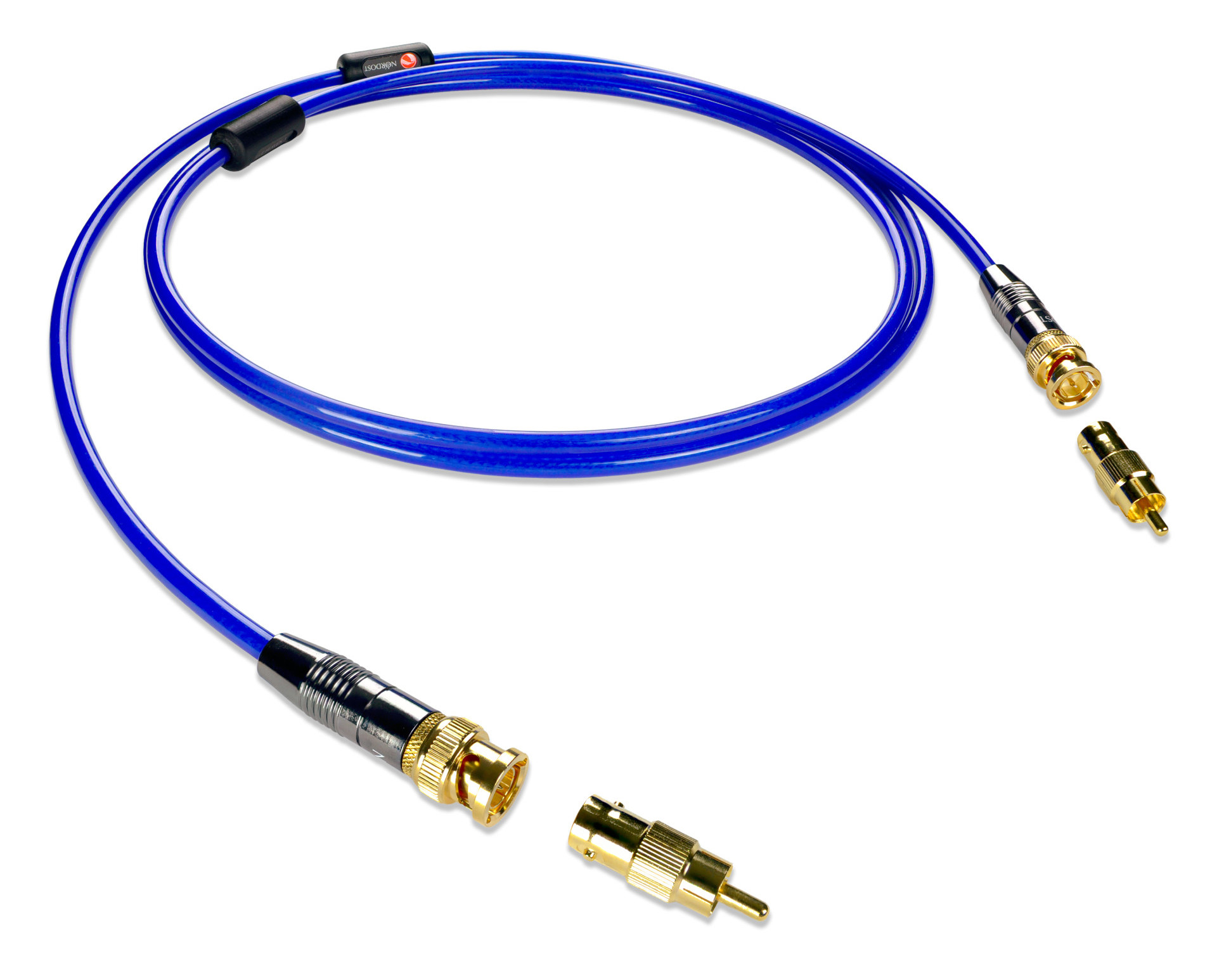
The top-end is equally clean and clear, yet resists falling into coldness or shrillness. The top-end of the Bohm/BPO Die Zauberflöte (DGG 136 440) isn’t the sweetest, while Roberta Peters can’t match the body and presence of Diana Damrau as the Queen of the Night, but the rest of the cast is superb and the Blue Heavens deliver the quality in the performance as well as the singing. Papageno’s duet with Papagena, so often a party piece within the whole, achieves a real sense of wonder, affection and connection, helped by the quality and the clearly portrayed movement of the singers on stage. This ability to project the performance as a whole, rather than fastening on, or spot-lighting individual aspects, rests on the cables’ inherent sense of balance, an even-handedness that plays directly into that natural sense of musical proportion.