

In terms of simple performance – how wide they open the window – the Blue Heaven’s are impressive enough. They certainly punch well above their weight. They deliver performances full of fluid, focussed and rhythmically coherent musical energy, but with the temporal and dynamic nuance to reveal expressive subtlety and range as well. But their real strength – their Super Power if you will – lies in how they encourage you to use them. As individually impressive as they undoubtedly are (especially the AC power cords) it’s their collective impact on system and musical performance that should really get you excited.
The cost of loving…
Let’s think in numerical terms for a moment. Until you reach the outer realms of high-end audio (where individual product pricing goes stratospheric) it should be possible to put some sort of figure on infrastructural spend. If we set individual component price at around the 35K point ($, £ or €) with speakers at twice that – a level at which systems might be described as serious without penetrating the highest-end – then you should be looking to spend at least 30% on ancillary elements (cables, support and grounding). As the cost of individual products in the system drops, that percentage spend should actually increase: once you down to around 2-3K/product in a system, around 50% of your total budget should be allocated to infrastructure. At least it should if you want to get the best from your system and really hear what those fancy, electronic boxes can do. It’s an easy situation/equation to demonstrate, yet in practice, almost all audiophiles spend considerably less, focus on the boxes and underestimate the contribution and importance of their system’s infrastructure.
If you look at a system with two sources, pre-amp and mono-blocs (so figure six power cords) the total cost to wire it with Blue Heaven 3 is likely to come in at under 10K, including the QB8 distribution block. Now tot up the value of the electronics and speakers that you already own. Against that background and given their (relatively) modest price Nordost’s Blue Heaven 3 cables are remarkably cost-effective, versatile and affordable – as in, once you experience their musical impact you can’t afford to ignore them or what they tell you, about your system and how you should get the best from it. Musically and emotionally communicative, they both bind the components in a system together and releases their potential. As I’ve already pointed out, they might lack the sheer resolution, dynamic and textural nuance, transparency and absolute dynamic range of Nordost’s Odin 2 (or, Lord help us, Odin Gold) but they preserve the pattern and proportions, properly mapping the spatial information and musical energy within the performance. Without that pattern, all the detail, all the snap, crackle and pop, rich warmth and sheer weight you might think of getting elsewhere is musically pointless. Without that pattern, all else is just noise.
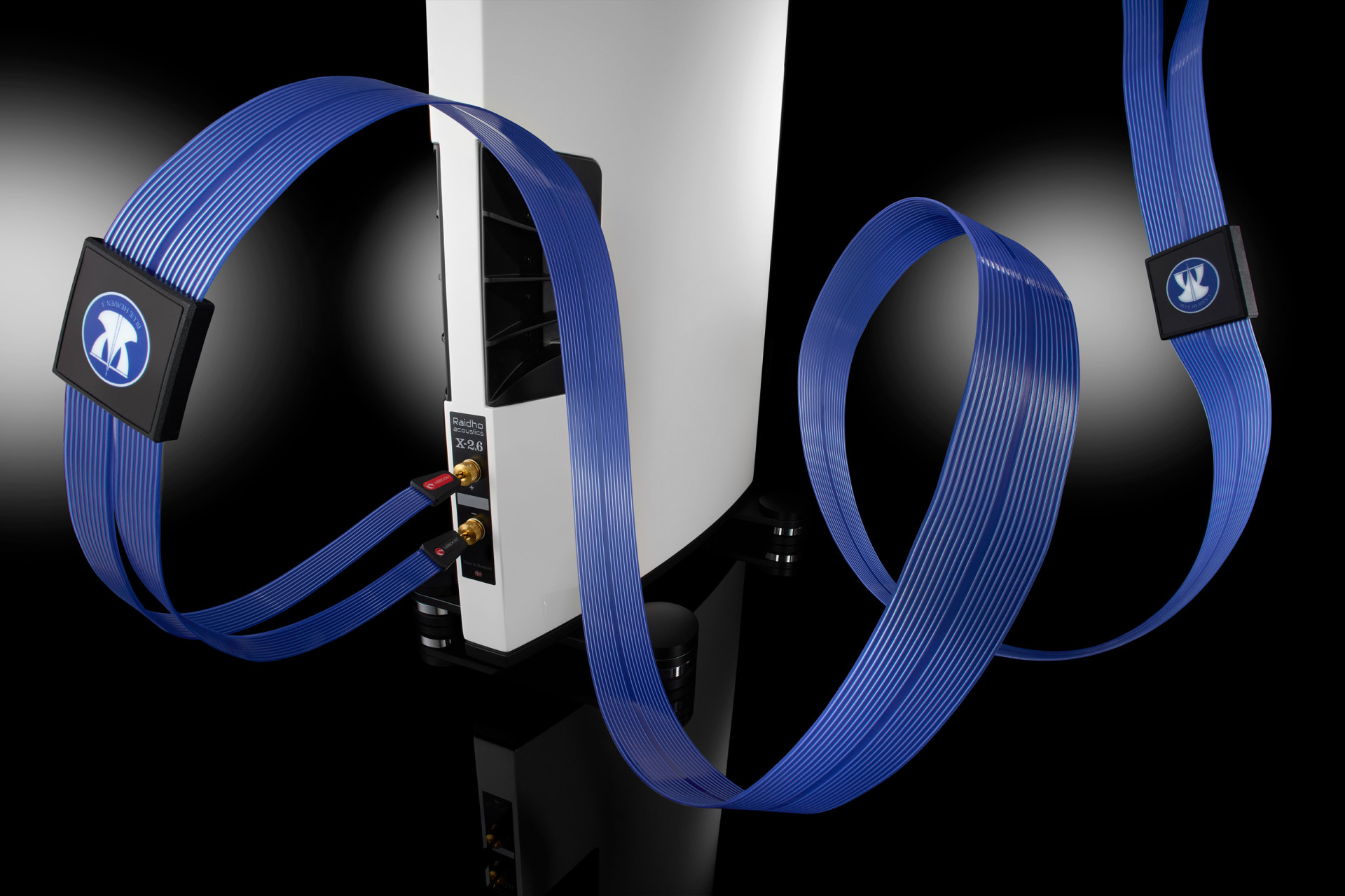
Blue Heaven is far from the cheapest cable on the market – it’s not even the cheapest in the Nordost range – but I don’t know of any cables that are cheaper and will really get the job done, at least in genuine high-end terms. There are plenty that cost considerably more and still don’t deliver. The better the electronics, the greater the system’s performance potential, the truer that becomes. Add in the fact that BH3 is practical, reliable and easy to work with (far from being a given) and this is pretty much the perfect entry level audiophile cable. It gets the timing right and it scales amplitude: things happen when they should, where they should and just as loud as they should, maintaining the fundamental musical relationships within the recording, making it forgiving and inclusive, shifting the focus firmly onto the musical attributes of the performance, rather than the system replaying it. In terms of the quest to maximise system performance, it’s both a perfect starting point and a powerful launch pad.