
Considerably more than meets the eye…
By Roy Gregory
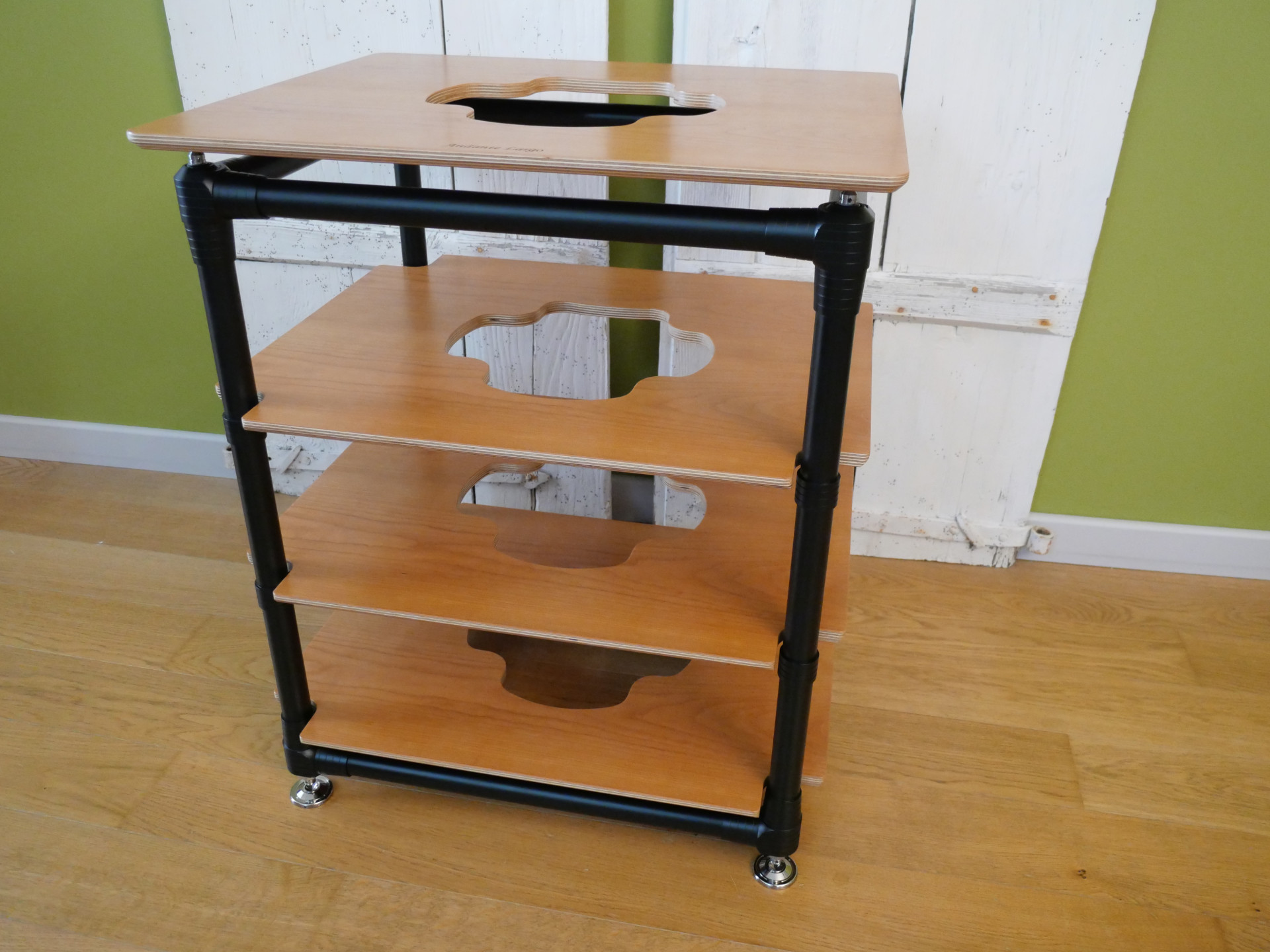
In the first part of this overview/review of audio racks and equipment support <https://gy8.eu/review/we-need-to-talk-about-racks/> I looked at the popular approaches currently available – and the gap they leave in the market. That gap can be encapsulated in the slender uprights and outward simplicity of the Andante Largo Grand Tower racks and supports, the subject of this review. To understand their significance, indeed, their modus operandi and just how effectively it matches the functional demands of system support for optimised performance, it’s essential to first understand not just how racks work but what exactly they’re trying to achieve. That might seem obvious, but as discussed in Part 1 of this article, not only is this a more complex question than it first appears, the answer is obscured by an almost wilful misrepresentation or misapprehension of the basic issues. Put simply, we are not trying to isolate the equipment – we need to isolate the signal and that’s a whole different problem, demanding an almost inverse approach. The ass-backwards, ‘equipment isolation’ logic applied by many rack manufacturers has led, directly and indirectly, to complex, massive and massively over-engineered designs of dubious efficacy. Even the best options – those discussed in Part 1 – tend to abandon engineering elegance in a headlong rush to brute-force solutions. Whatever happened to just enough of just the right materials? One might say that Andante Largo is what happened.
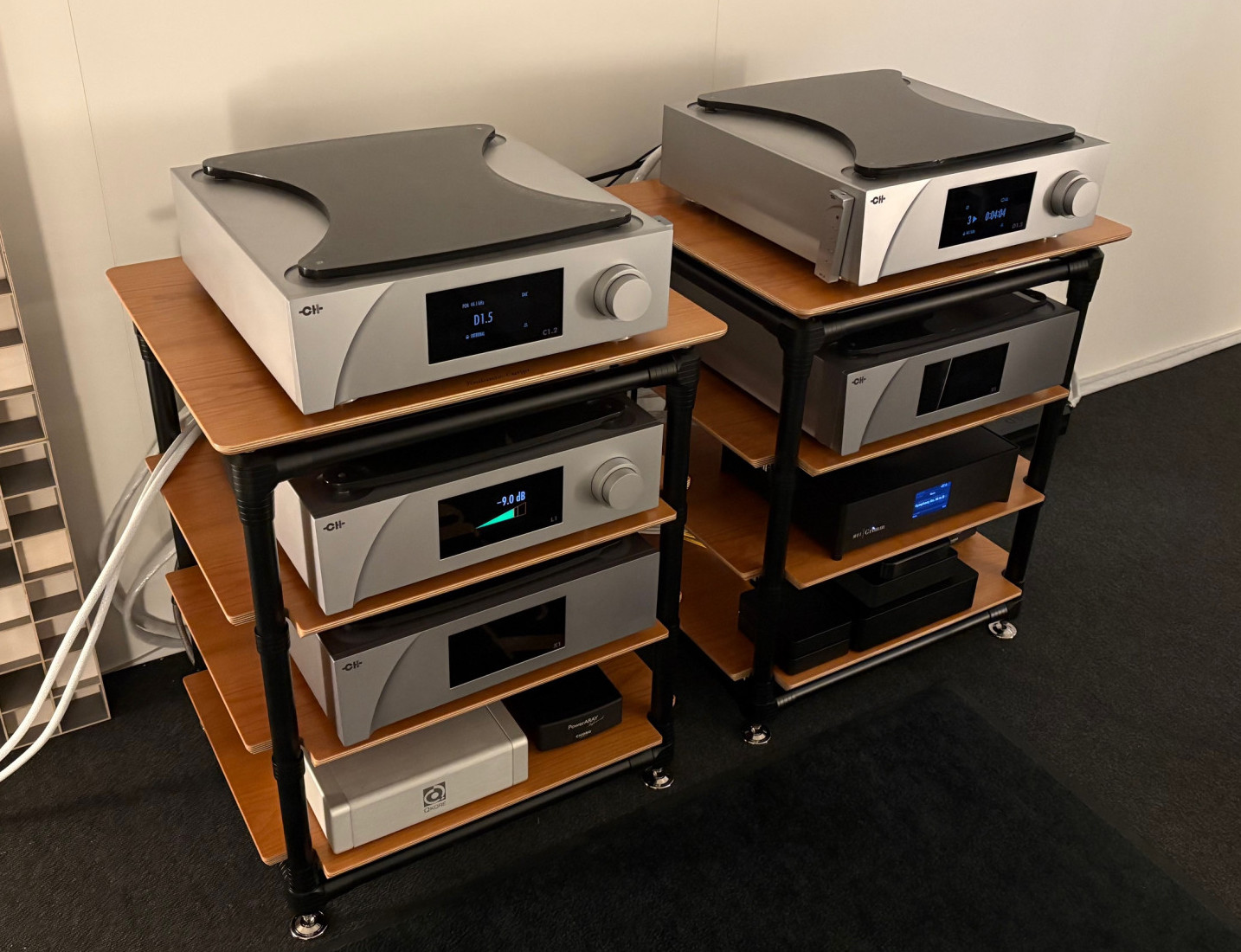
At least from a UK perspective, the audio rack story started with the various lightweight metal frame tables promoted for use with the LP12 turntable. Originating with the Linn set-up jig, these are perhaps best personified by the Sound Organisation table, a simple welded-steel frame with spikes on the bottom and a chipboard or MDF shelf on top, a single level structure that quickly evolved into the three, four or five shelf racks from the likes of Target and Apollo, that soon became industry/customer standard for equipment support. In many ways, the Andante Largo rack looks like and is a direct, but significantly more evolved development of those early racks. Indeed, Ryo Suzuki of Andante Largo was the long-time distributor for Linn products in Japan. His racks have multiple shelves and spikes on the bottom, but there all similarities end. Even the shelves and spikes are totally different to those original designs. What they do share, is the minimalist, skeletal form of those early audio racks, but executed with an elegance, fit and finish that is, somehow, unmistakably Japanese.
Here we have a highly refined, low-mass, rigid, continuously coupled and critically damped structure.
Although the Andante Largo racks are single, fixed structures, they are available in a host of different options and each rack is constructed from a number of individual elements. Perhaps the best way to appreciate what goes into these racks is to look at each element in turn…
The Frame
The heart of each Andante Largo rack is the rigid, lightweight frame. It is built using a highly evolved tube and lug construction. This manufacturing technique is perhaps most familiar from bicycle frames. Since the earliest days of steel frames, bicycle builders used cast lugs to join tubes at fixed angles, by either welding or fillet brazing. Then, in the early 1970’s, composite frames started to appear, using aluminium lugs to bond aluminium, titanium or carbon tubes. Companies like Alan and Vitus enjoyed considerable success, while Greg Lemond famously won the tightest ever Tour de France on a TVT frame.