

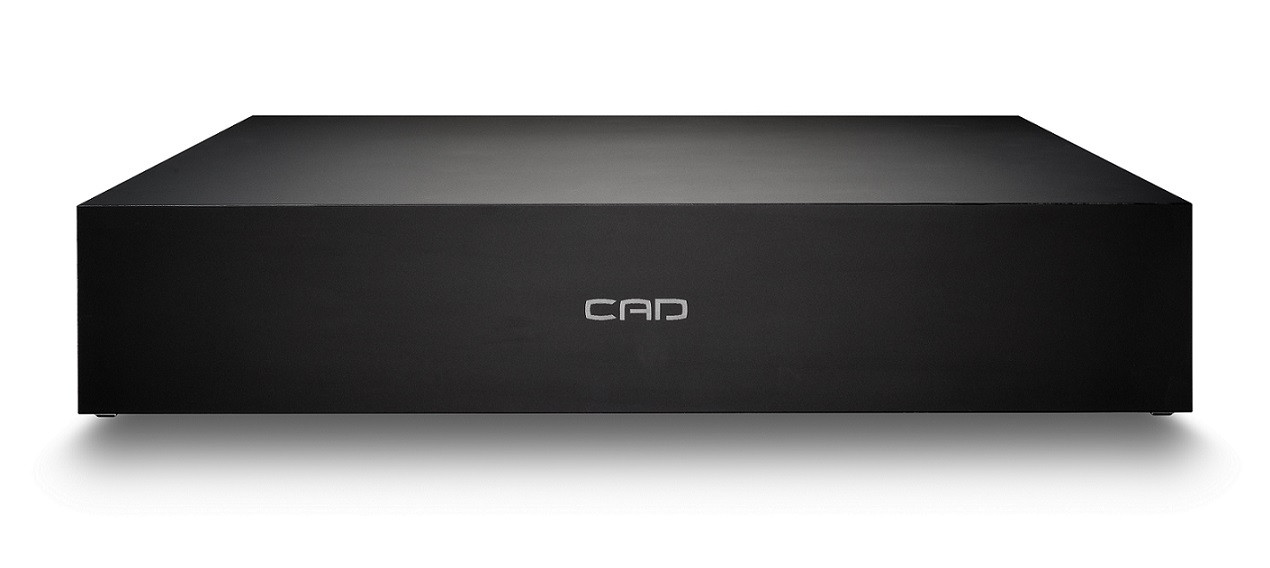
With the original GC3 still on hand and in use, it was simplicity itself to assess what if any advance the 3.1 delivered. Outwardly, the two units are identical: The only distinction is that the newer one carries a 3.1 designation on the rear panel. You get the same, discrete, frosted acrylic casework, central logo and six sockets for ground connection. Literally, the only difference here is going to be the internal arrangements and the performance. As with all such devices, CAD is keeping the nature and disposition of the internals close to its chest, leaving only the performance to consider.
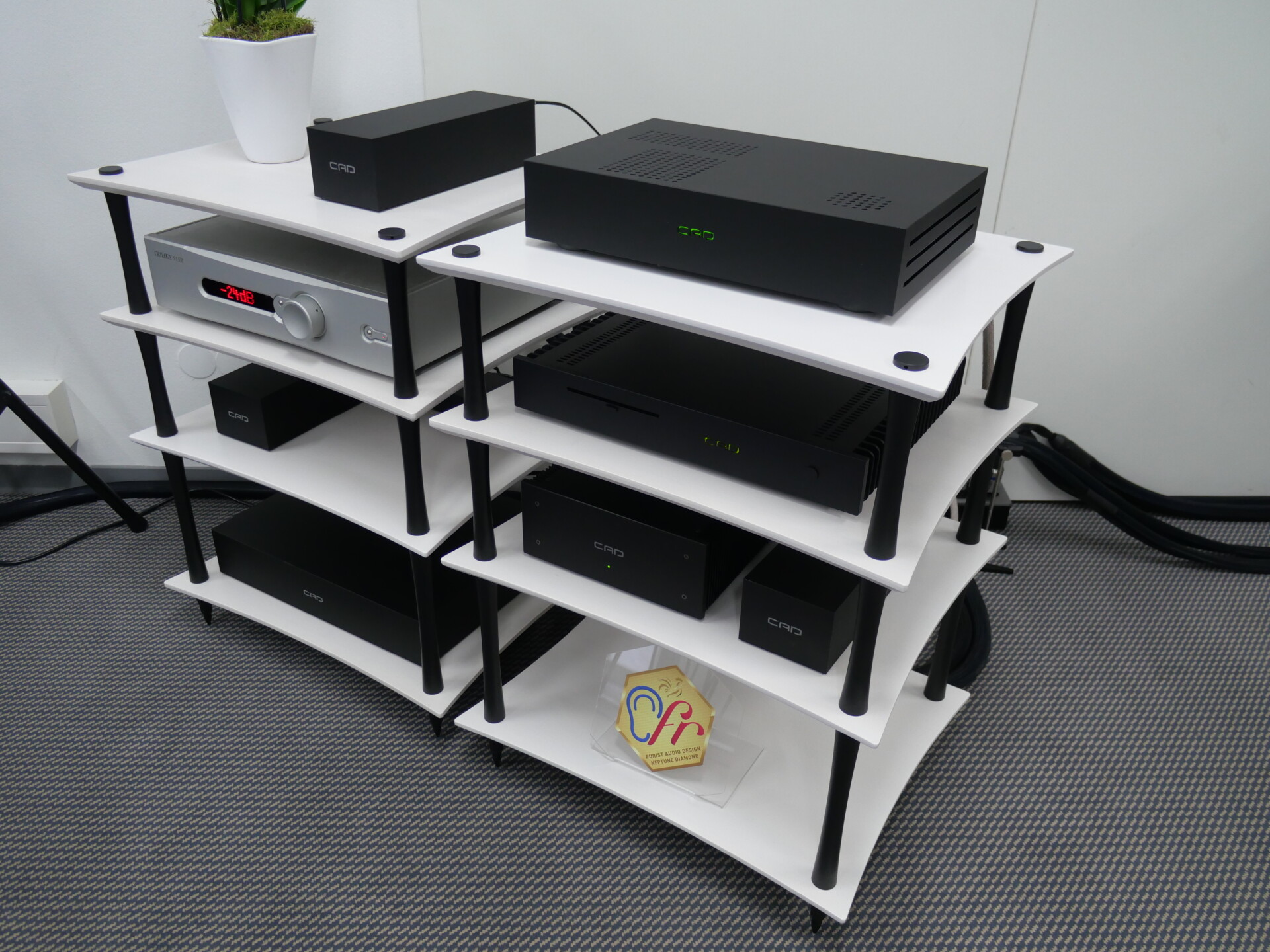
I set up a system built around CH 1 Series components, not least because of their separation of chassis and signal ground, making changes in grounding topology easy to execute. In this case I combined the P1 phono-stage and L1 line-stage, sharing an X1 power supply, with the Kuzma Stabi M/4Point tonearm and D1.5 CD/SACD player. Power amps and speakers were either the A1.5 paired with the Peak Sinfonia, or the Jadis JA30s, driving Living Voice Auditorium R25s. Cabling was Chord Music throughout, with the system supported on Andante Largo racks.
With two, functionally identical units to hand, direct comparisons were easy. I set up the system and optimized its performance around the GC3, sitting the GC3.1 directly above it. Separate CAD-supplied ground wires were run from the P1 and D1.5 chassis grounds to the GC3, with a third wire running from the combined L1 chassis and signal ground. In addition, ground wires were run from the two PowerHAUS M6 distribution units (one feeding the source components, the second feeding the amps in the case of the JA30’s) or directly from the A1.5 chassis ground. Finally, a sixth wire was run from the massive aluminium plinth of the Stabi M, anchored under one of the arm-board fixing bolts. Comparing the original and new versions of the Ground Control was as simple as pulling the half dozen 4mm plugs from one unit and inserting them in the other. But as easy as that was, it wasn’t as easy as hearing the difference between the two.
The first album I played was The Cure’s Boys Don’t Cry (Fiction 815 011-2). The track ‘Jumping Someone Else’s Train’ opens with a single, strummed chord that gently fades before the frenetic rhythm guitar entry, the slashing central riff and the pounding drums, all building to a wall of sound from which emerges Robert Smith’s vocal. That first chord tells you all you need to know. Insert the GC3.1 and suddenly it stands solid, set back against a deeper, blacker background. You can hear the individual strings and their harmonics, the decay lasts longer, the anticipation before the rhythm entry heightened and more acute. It’s a function of quieter noise-floor, better micro dynamic discrimination and tonal and harmonic resolution. Theres more body and presence to the sound, greater graduation within the structure of the chord itself.
Extend those benefits across the range and the musical impact is as profound as it is obvious. The rhythm guitar enters with a new impetus and urgency, the lead guitar gains attack and tonal density, the drums are now, unmistakably, a real kit, with the texture, complexity and variation that separates a real drummer from the synthetic alternative. Smith’s vocal steps clear of the backing, more direct, more communicative, more human – and much more Robert Smith, while the musical subtleties and collective urgency extend across the album as a whole. The brash, clashing chords and rhythms of the nascent New Wave music take on a new (proper?) bite and energy. Even the reflective melancholia of ‘Three Imaginary Boys’ gains, weight, poise and purpose, Lol Tolhurst’s drum patterns thud-ily solid, the meandering bass line gaining shape and direction, collectively anchoring the gently evolving lyric and melody.