

Unsurpisingly, the GC3.1’s performance advantages cross genre boundaries and formats. Play a track like Art Blakey And The Jazz Messengers’ ‘Moanin’’ (Blue Note ST-4003 UHQ CD UCCU-40120) and the horns gain bite and intensity, the piano prompts are more insistent, Blakey’s cymbal work gains texture and resolution. The bass line that underpins Elvis Costello’s ‘Alison” (My Aim Is True, Stiff SEEZ 3) gains clarity, pitch definition and articulation, there’s more space between notes, especially on the guitar’s sculpted melody. Costello’s voice is more immediate, more natural and much more emotional expressive, the song sadder.
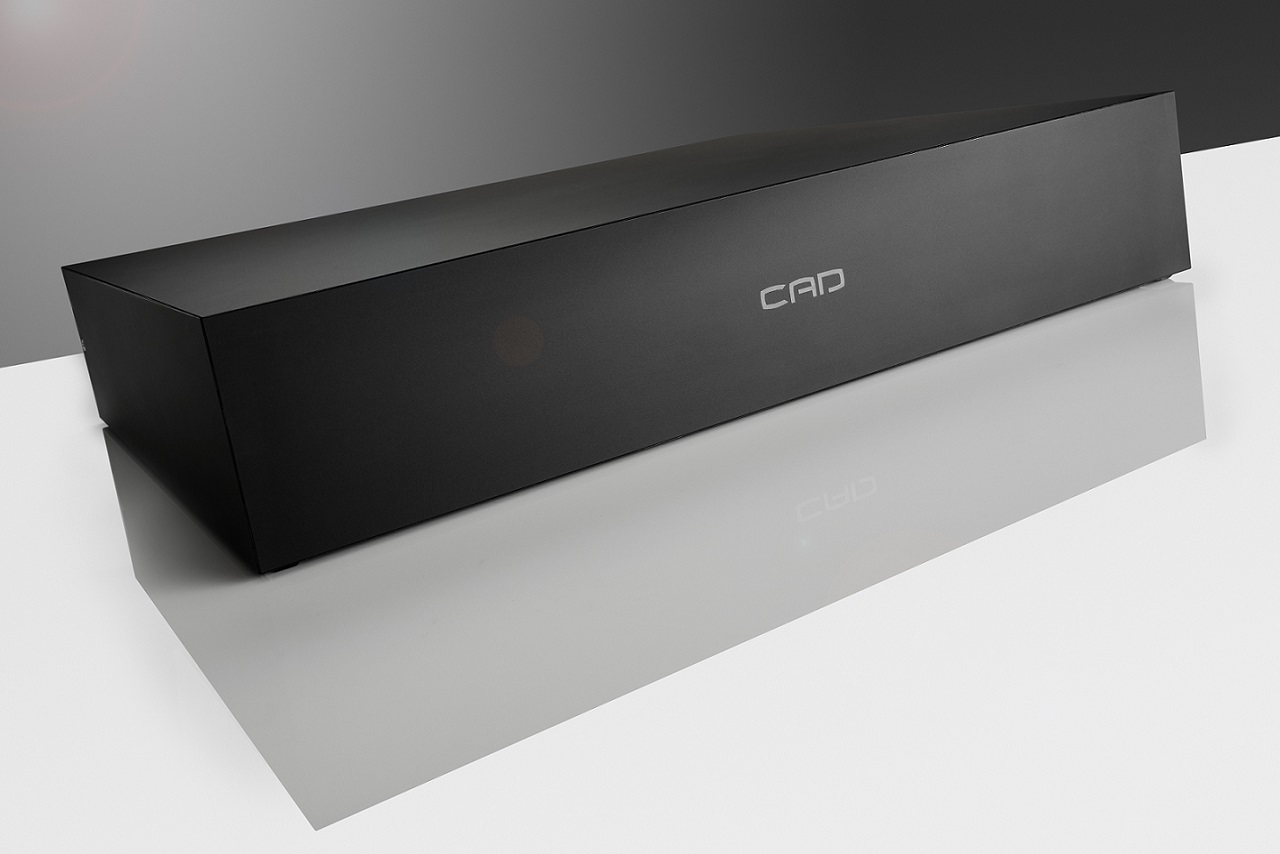
But the GC3.1 scores not only in the clear performance benefits it delivers over and above its earlier incarnation, but in the clarity it brings to the impact and priority accorded to each ground connection. The star grounds on the distribution blocks were a case in point, but the really surprising result was the impact of grounding the Stabi M’s chassis. Alice Sara Ott is a pianist I have to watch with my eyes firmly closed, her keyboard histrionics – all kicking, bare feet and thrown arms – are simply too distracting. It’s one advantage of listening to her on record. Playing her recent DGG recording, Jóhann Jóhannsson Piano Works (DGG 486 7992) grounding the ‘table brought an added, crystalline delicacy to the fragile melodies and subtle dynamic variations. Yet, and in stark contrast, it also revealed the desolate, aching beauty in Alina Ibragimova’s playing on the recent Hyperion release of the Shostakovich 1st Violin Concerto. The tortuous technical challenge that is the Passacaglia takes on a new intensity, her playing a new confidence and emotional depth.
Time for a little context. My first point of comparison, outside of the GC3, was CAD’s own GC1/1.1. While the sonic and musical benefits of the 3.1 closely mirror those of the smaller unit, the performance gulf between old and new versions is far wider. Which is not really surprising given the massive increase in dispersive capacity present in the larger unit. So, GC1.1 good: GC3.1 a whole lot better? Absolutely – although that’s far from the whole story. Past experience has demonstrated just how effective it can be to segment or ‘stack’ parallel grounds, either dedicating separate units to different system functions (digital and analogue being the obvious split) or individual units within the system. That’s a wider discussion for another day – but it’s one that we will re-visit.
The other obvious comparison is between the GC3.1 and its direct competition and, in this case, that means Nordost’s Qkore 6: same basic function, all but the same price, same number of ground connections (although I guess that technically speaking, the Qk6’s binding posts offer extra connection options. It’s also smaller – around half of the GC3.1’s footprint, making it easier to house where space is limited. Beyond that, this really is a direct comparison between equivalent products. It’s also not quite as straightforward as the GC3/3.1 comparison, given that you need to use Nordost’s (as opposed to CAD’s) grounding wires.