
Combine the El Diablo’s all-embracing, wide bandwidth nature with its overall spatial and temporal coherence and natural tonality and you’ve got the recipe for a speaker that’s as musically versatile as it is entertaining, as forgiving of recording quality as it is faithful to the original performance.
The proof and the pudding…
There’s an old joke in audio retail that if you want classical music to show off a system’s dynamics, then reach for ballet: the composer always includes plenty of loud bits so that the dancers know when to jump! Like a lot of jokes there’s more than a hint of truth in it. If you want an orchestral showpiece/show stopper, you can do a lot worse than reaching for Skrowaczewski and the Minneapolis S.O. performing Prokofiev’s Romeo And Juliet Ballet Suites (Mercury SR 90315). A 1962 recording captured on 35mm magnetic film, it’s certainly got plenty of ‘jump’. It’s also got a typically wide, deep and well-defined stage – especially when you play it through the El Diablos. The Peaks deliver clearly defined side and rear walls and more than a fair stab at height – the sort of performance I normally associate with far larger speakers. They’re rhythmically tight too. Just listen to ‘Masks’ with its insistent percussion. The tone of the woodwinds is glorious and the muted timps that round out the track quiver delightfully. But what’s most impressive is the speakers’ response to those sudden tuttis, so often underpinned with a percussive bang. It’s not just the jump in level that impresses, but the sheer substance the speakers generate. Each burst of orchestral energy is a complex construct, the separate instruments projecting their contribution from discrete, stable points on the stage. The sound leaps out of the acoustic space, without collapsing it or obscuring it. Even the intense blasts in ‘The Montagues and the Capulets’ are firmly rooted in the soundstage, the familiar dark threat of the major theme is full of texture and brooding menace, without ever becoming ponderous or leaden. When I suggest that the Peaks let the music ‘breathe’ this is exactly what I’m referring to. The instruments energise the air within the acoustic space, instilling life and vitality into the music and the performance as a whole. Despite the bass weight that the El Diablos are capable of generating, they never sound slow or heavy, the bass never rolls along the floor.
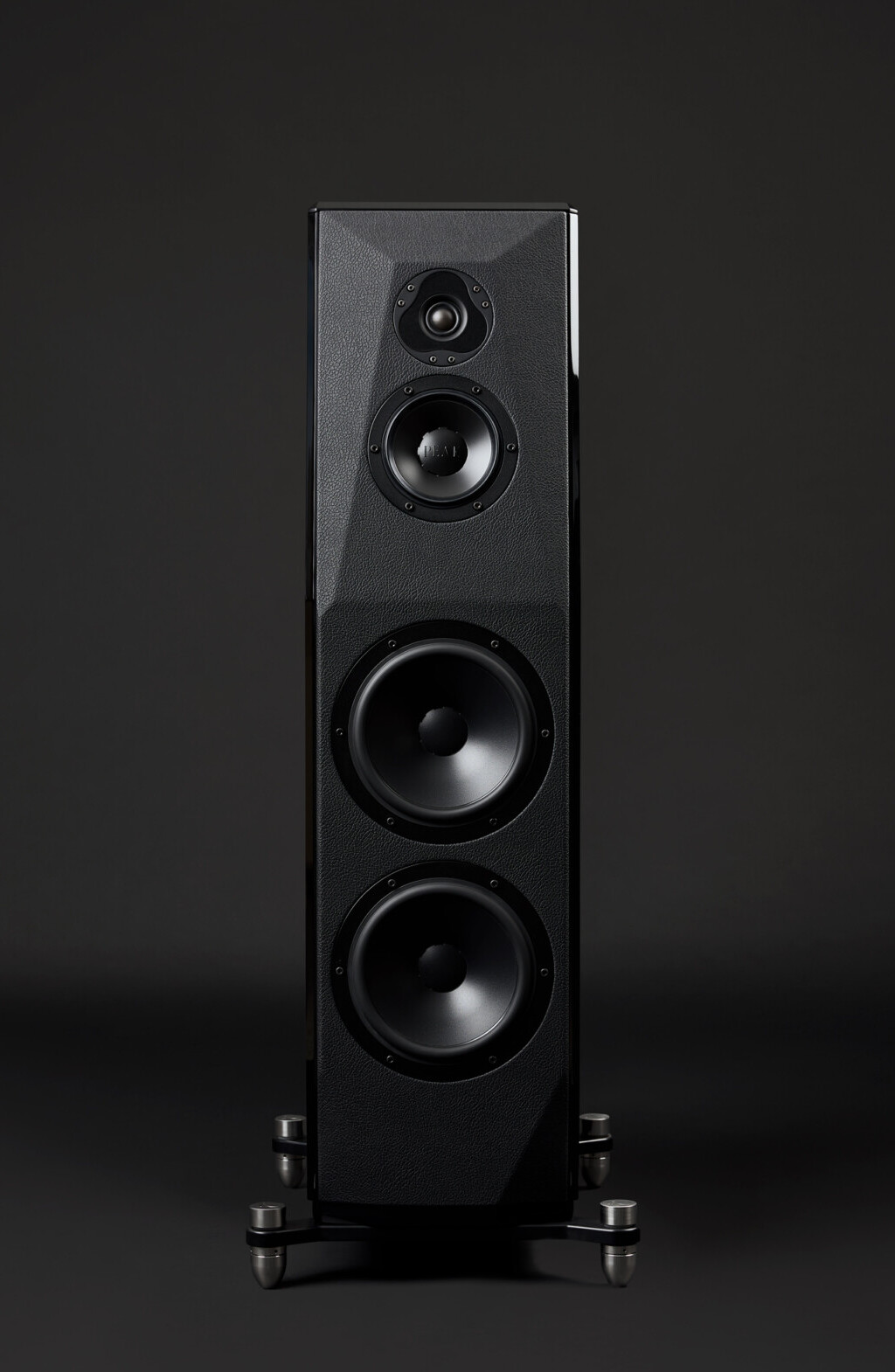
Playing exuberant orchestral works certainly shows off the Peaks’ bandwidth and dynamic capabilities. But those qualities are just as applicable to smaller scale music and more intimate performances. Neil Young’s Live At Massey Hall 1971 (Reprise 9362-43327-2) is a case in point. Solo voice and guitar or piano, with plenty of vocal and instrumental interjections between, might not seem like an obvious choice, but it underlines the El Diablo’s qualities perfectly: from the capacious space of the auditorium and the crowd that spreads forward of the stage and speakers, to the vocal presence and the body and harmonic substance in the guitar, everything underpins the intensity in the performance and the rapt attention of the crowd. The speakers might not have the obvious attack and vocal immediacy of some, but the key word here is “obvious.” Young is set slightly back, with his voice and guitar beautifully proportioned and dimensional, enclosed in the space and atmosphere of the palpable acoustic. Throw in the crowd noise and enthusiastic feedback and the atmosphere is complete, the heady, sweaty excitement and sense of being there all too real. It’s about presence, scale and energy – whether from the crowd or the artist – and the El Diablos master it perfectly. If you’ve ever stood and clapped, called and pounded for an encore, you’ll know exactly what to expect…