

The Reference IIs electrical characteristics also help to explain why they respond with such enthusiasm to being bi-amped. As impressive as the sheer body and weight generated by the VTL S-400 was (especially in conjunction with the speaker’s ability to make the most of the amp’s soundstage definition and stability), as impressive as the detail and clarity generated by a single stereo or mono-bloc M1.1s was, switching the M1.1s to passive bi-amp mode lifted the system’s musical presence, pace and impact to a whole new level. The four-channel drive brought a more contiguous quality to the soundstage, reduced grain, improved transparency, focus and separation. Instruments gained character, colour and texture – so, it was far easier to separate the chorusing flute and keyboards, to identify the different ‘characters’ or voices on ‘Get ‘em Out By Friday’. Most importantly, dynamic range, dynamic contrasts and changes in density all improved significantly – and along with them comes the musical impact that goes with that expansive stage and impressive sense of scale.
How significant is this step up in performance? Significant enough to mean that, if you are taking on the Diptyques and vertical bi-amping isn’t an option, it should definitely be in the plan as a (thoroughly worthwhile) future upgrade: An upgrade that the Reference IIs might demand but fully deserve and justify – and a point that’s well worth repeating. While one suspects an active option would carry things still further, the three-and-a-half way topology makes that an expensive and complex proposition – although running the bass legs via an active cross-over might be a further step up on straight bi-amping. Meanwhile, back in more practical system reality, even with a bi-amped rig, dynamically speaking you are not out of the woods just yet…
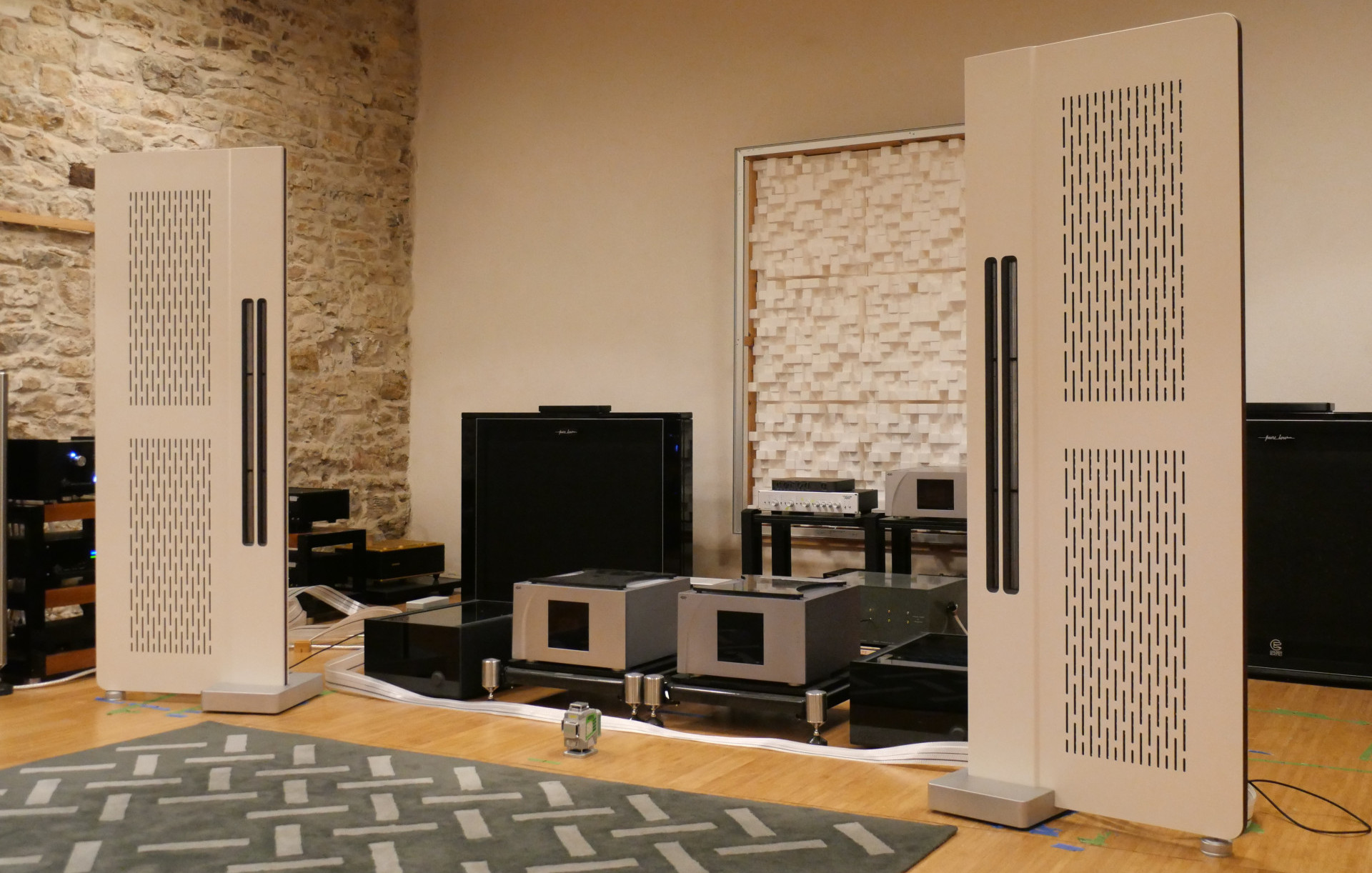
In use, the limited vertical dispersion of any line-source means that you need to pay serious attention to the question of rake-angle and that the best results will always be achieved when seated in the listening position. Stand up and the loss of upper-mid and high-frequency energy robs the sound of air, immediacy, life and impact – all the qualities you just invested so much time, effort and money to achieve. Likewise, the Reference IIs are extremely sensitive to volume level – a function of the balance between the music’s dynamic demands and speaker sensitivity/dynamic response. It’s not that the Diptyques can’t or won’t play quietly. Like any speaker they tend to close down slightly at lower volumes, although they still maintain their impressive dimensionality: but (and again in common with many wide-band speakers) there’s a level at which they really come to life. Advance the volume and the sound of the instruments and voices will literally grow and blossom in terms of colour, presence and body before your ears. Push too hard and they’ll pile forward, compressing depth and starting to glare. The thing with the Diptyques is just how narrow the window is between “WOW” and “OOOhhhh”. The intimate relationship between speakers and room accentuates shifts in volume, musical density and momentum. Normally allergic to remote controls, with these speakers in the system I found myself using one with regularity – always to trim the volume, often by a tiny amount. I doubt that will worry many listeners, but it certainly tells you something significant about getting the very best from these speakers.