
Who’s holding the keys to the asylum?
By Roy Gregory
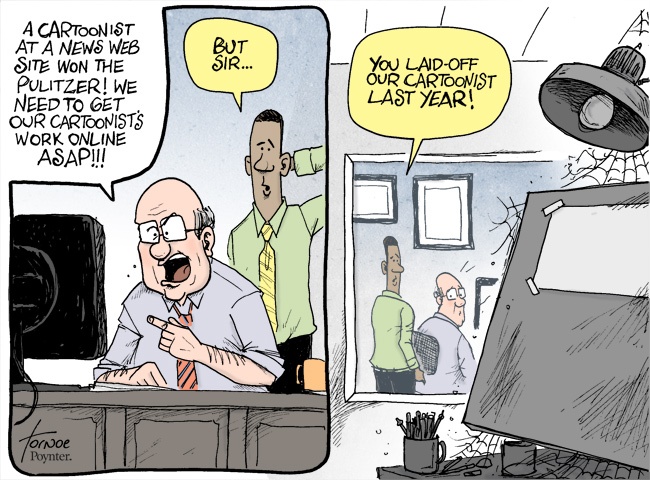
When a high-profile magazine folds and another publishing house steps in to acquire the title, what exactly are they buying? Obviously, the title itself and the rights to use or repurpose any material that it’s already published. With the title comes any reputation it might have garnered – although reputation seldom survives a change of ownership intact. The purchaser also gains access to the ad. book and the subscriber list. In theory, that adds up to a going concern, but that is very much ‘in theory’.
Obviously, situations and circumstances vary, but if a magazine has folded, it’s normally for a good reason – or a whole raft of them. Simply picking up the pieces and carrying on regardless ain’t gonna cut it and, while change is almost always necessary, each change risks threatening the continuity and integrity of the title, at least in the eyes of its supporters and readers. We saw it when The Abso!ute Sound was rescued by Nextscreen, with many readers to this day muttering darkly about HP being stabbed in the back. I hear it in all those comments that, “Hi-Fi+ isn’t the magazine it was when you ran it”. But those disgruntled TAS readers are overlooking the fact that Harry was definitely part of the problem (at least in management terms) and that if Nextscreen hadn’t stepped in, the magazine would have gone under, just as Hi-Fi+ wouldn’t be the same as it was, whether I was still running things or not. I stepped down precisely because Plus needed to change and I didn’t want to (and wasn’t the best person to) make those changes.
But when a magazine changes ownership it invites all those associated with it to re-examine their relationship – and whether they want or need that relationship to continue. For most companies acquiring a title, the burning question is going to be advertiser retention, with subscriber numbers coming a distinct (and in many cases distant) second. What doesn’t cross their field of view is writer retention, yet that is actually by far the biggest and most critical issue. No advertisers might mean no magazine, but having no writers means having no magazine to sell to the advertisers in the first place.
Why is this so often overlooked – and what makes it a possible fault line? Because writers are at the bottom of the publishing food-chain they are often the first group to suffer when the commercial going gets tough. When Covid hit, what was the first thing that most audio print magazines did? Cut their writing rates. In a field where writers are already underpaid, certainly given the level of expertise they are expected to have, magazines are all too willing to rely on the contributor’s love of the subject and the perks that go with the job to off-set the abysmal pay rates. But it’s a fine line and it doesn’t take much to aggravate a writer enough to make him or her jump ship. Which is where the publishing blind-spot lies.
Publishers look after the business and the books. It’s the editor who has to recruit and retain a writing staff – and in the world of audio, that’s far from easy, especially if the publisher starts throwing their financial weight around or interfering in the delicate balance that keeps a writer happy and interested. Whether it’s allocating inappropriate equipment or requiring re-writes to ‘correct’ what’s perceived as a worryingly negative review (worrying to the publisher that is, who’s trying to keep his advertisers happy – and yes, it does happen!) it’s far from difficult to upset a writer. In a situation where the magazine is under serious financial pressure, it can quickly become a case of which writer’s aren’t upset, rather than which ones are. If a magazine’s financial situation creates the opportunity for a change of ownership, it also creates an opportunity for writers to decide whether they want to continue or not. In a situation where the management decisions have been particularly clumsy it’s inviting collective action. A new broom might sweep clean, but given the opportunity to influence which way that broom is pushed and by whom, what writing staff isn’t going to find its voice?
- 1
- 2