
Audio outreach in its purest form?
By Roy Gregory
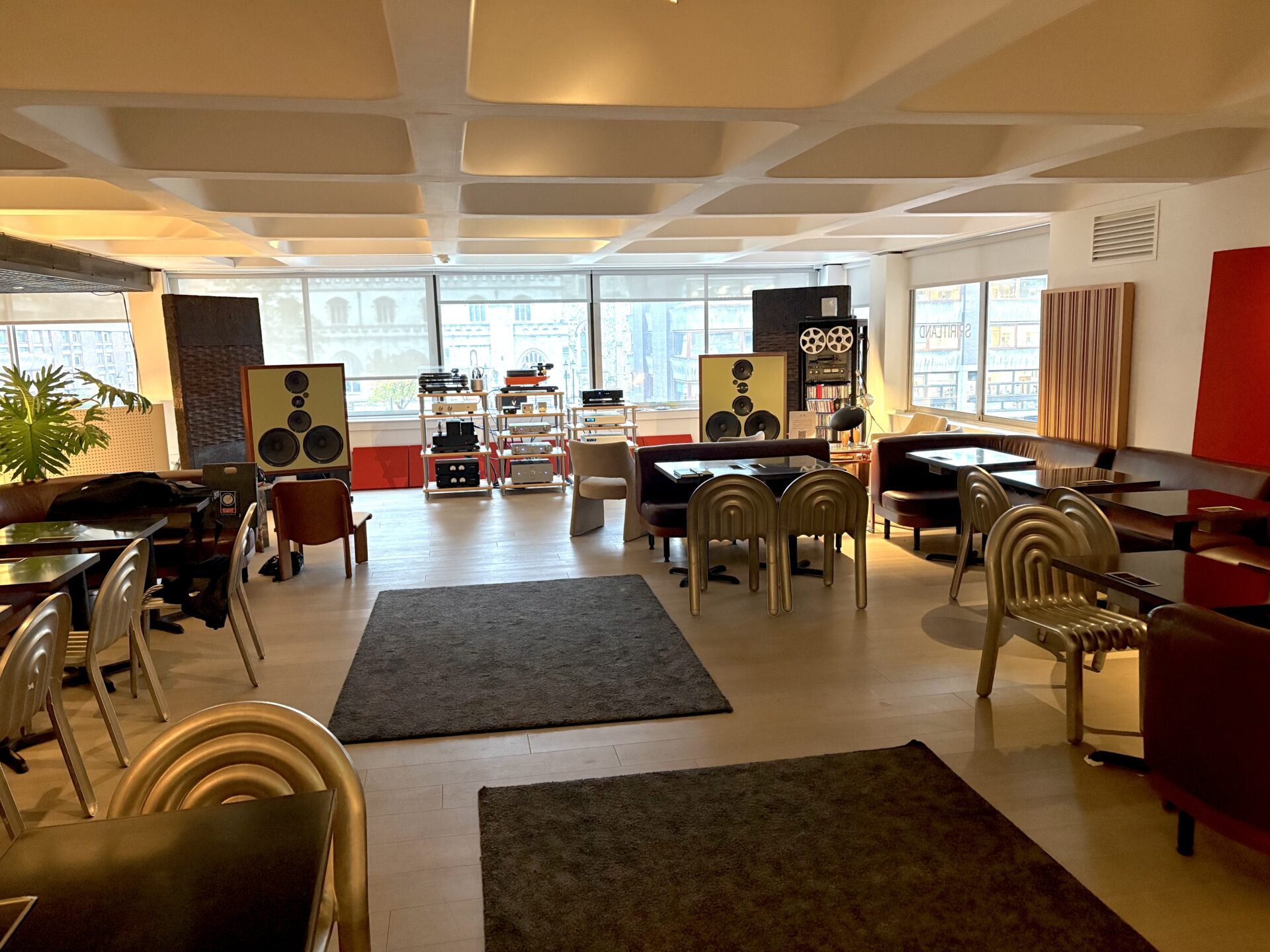
If only I had a Pound/Euro/Dollar for every time I’ve heard some august member of the audio industry lamenting the lack of new customers engaging with high-quality music at home. I could point out that the industry’s abandonment of cost-effective entry level systems that actually deliver music (as opposed to a stream of digital gibberish) has something to do with it, but whatever the reason(s), there’s no denying the essential disconnect between the audience and the offering, young adults and the high-end listening experience. When I was growing up, most families had a hi-fi system; some might have been better than others, but music at home was a constant. It wasn’t just the awareness that music mattered, it was realizing that you could get better music from better systems. Audio has ever been an aspirational interest, but these days fewer and fewer people are taking that first step onto the hi-fi ladder, fewer and fewer people are getting that first exposure to quality music reproduction. But if they can’t get it from friends and neighbors, where can they find it – and what can the industry do to promote the – and its own – interest(s)?
In Japan, ‘Listening Bars’ have been a constant if not ubiquitous presence since they first appeared as Onkagu Kissa cafes in the 1920s. Built around the music being played, rather than conversation, they quickly developed an emphasis on the quality of the listening experience that has evolved until, today, many such bars feature vintage speakers and equipment, classic record players and carefully curated record collections. The nature of the systems has become as much a part of the experience as the listening itself – and helps explain the enduring fascination these ‘Music Cafes’ hold for listeners and commentators in the West.
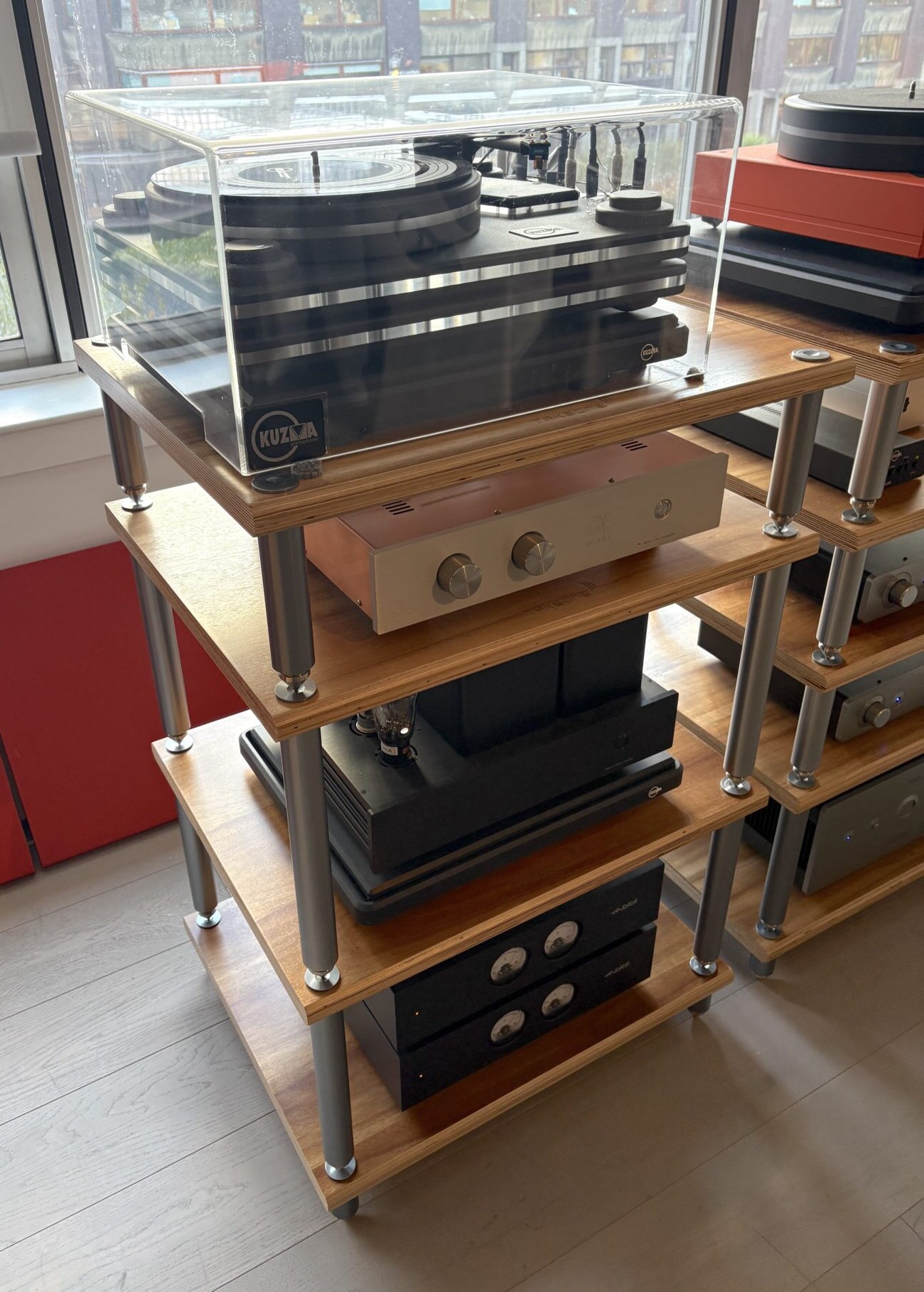
Unsurprisingly, there have been persistent attempts to transfer the model to major cities such as London, Paris and New York, from recreations of ‘authentic’ Japanese Kissa bars, to Classic Album Sunday pop-ups. But like other, deeply rooted cultural traditions, a straight transplant is rarely successful. You can set up an homage to the original, seeking to establish a clientele amongst the ex-pat Japanese community, while sparking curiosity amongst the locals: or, you can create something that takes on the mantle and style of the Kissa originals, but is more attuned to the atmosphere and expectations of the Western bar crowd – an exercise in style over substance (not unlike so many of the clientele themselves).
And therein lies the problem. In Tokyo, customers will seek out the calm of Kissa cafes, respecting the opportunity to sit quietly and let music wash over them. It’s not a natural inclination in the West, where stepping across the threshold of a high-street bar is all too often accompanied by a rise in the heart rate to match the rise in the volume level. The cultural milieu simply isn’t geared to quiet contemplation – at least, not on the average Friday night, while few bars or ‘night spots’ are going to survive on the Wednesday afternoon trade. Importing a cultural phenomenon is all very well, but if it is going to survive and flourish, become more than a curio, it needs the cultural environment to feed and nourish it.
