

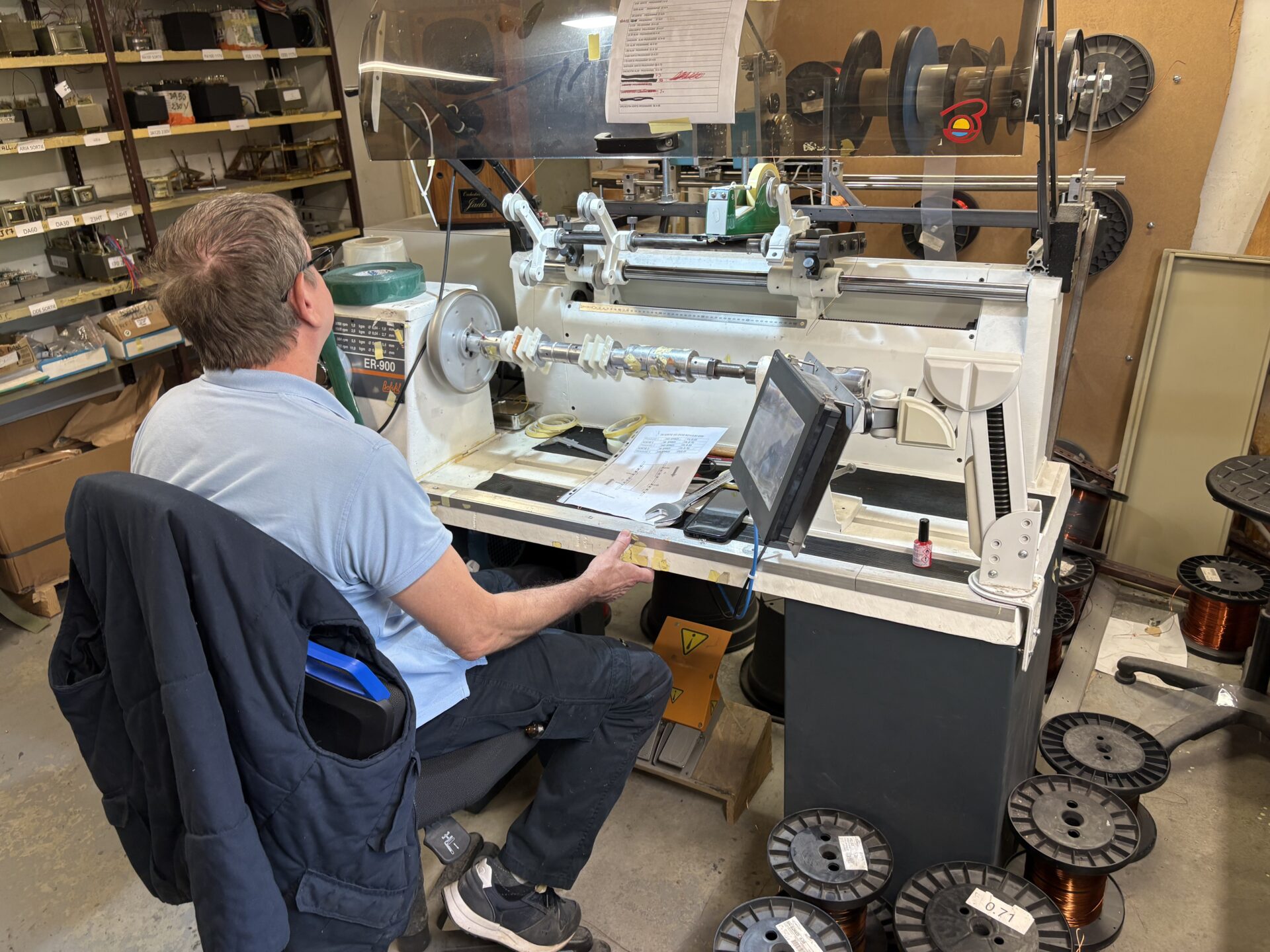
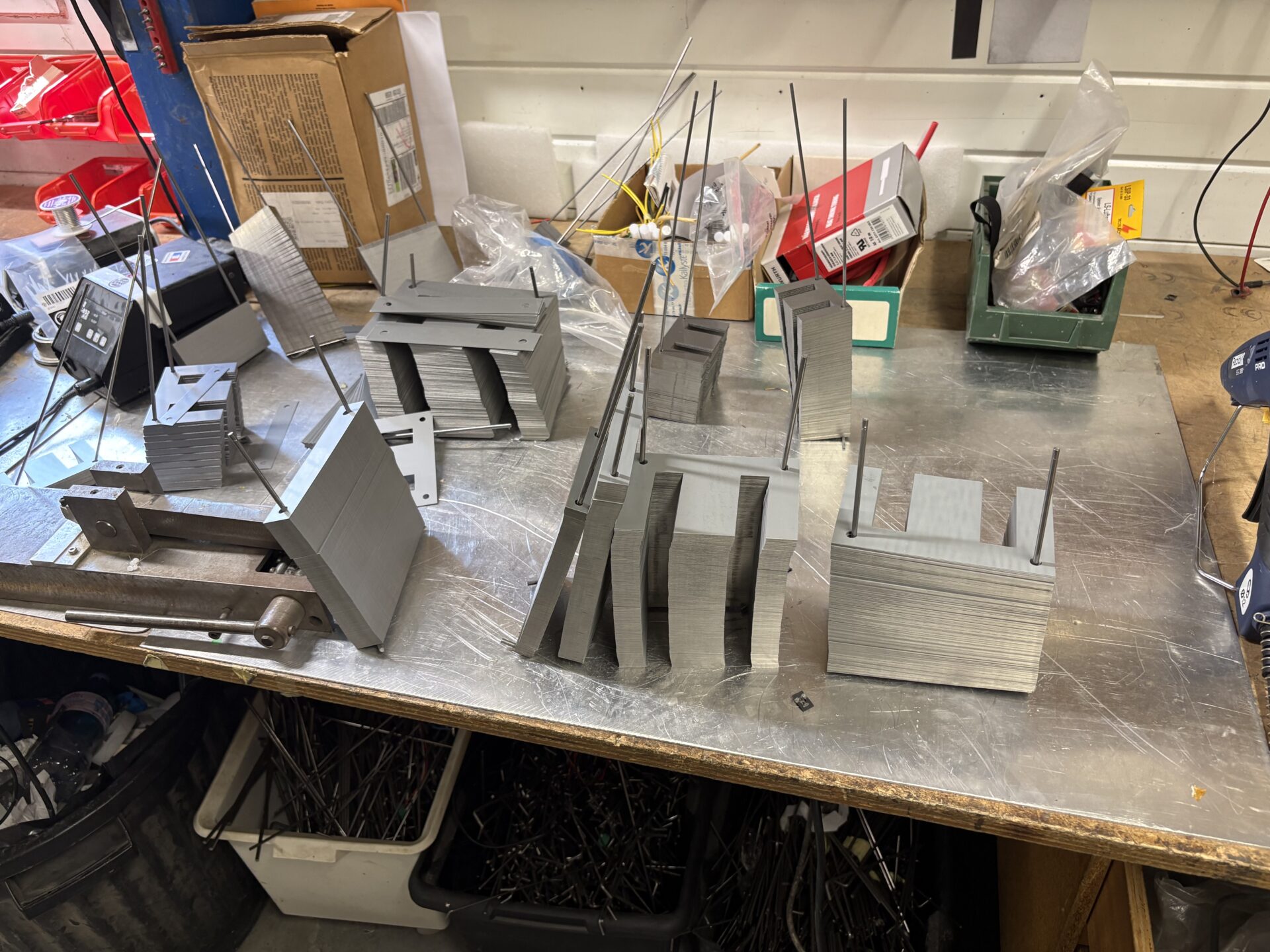
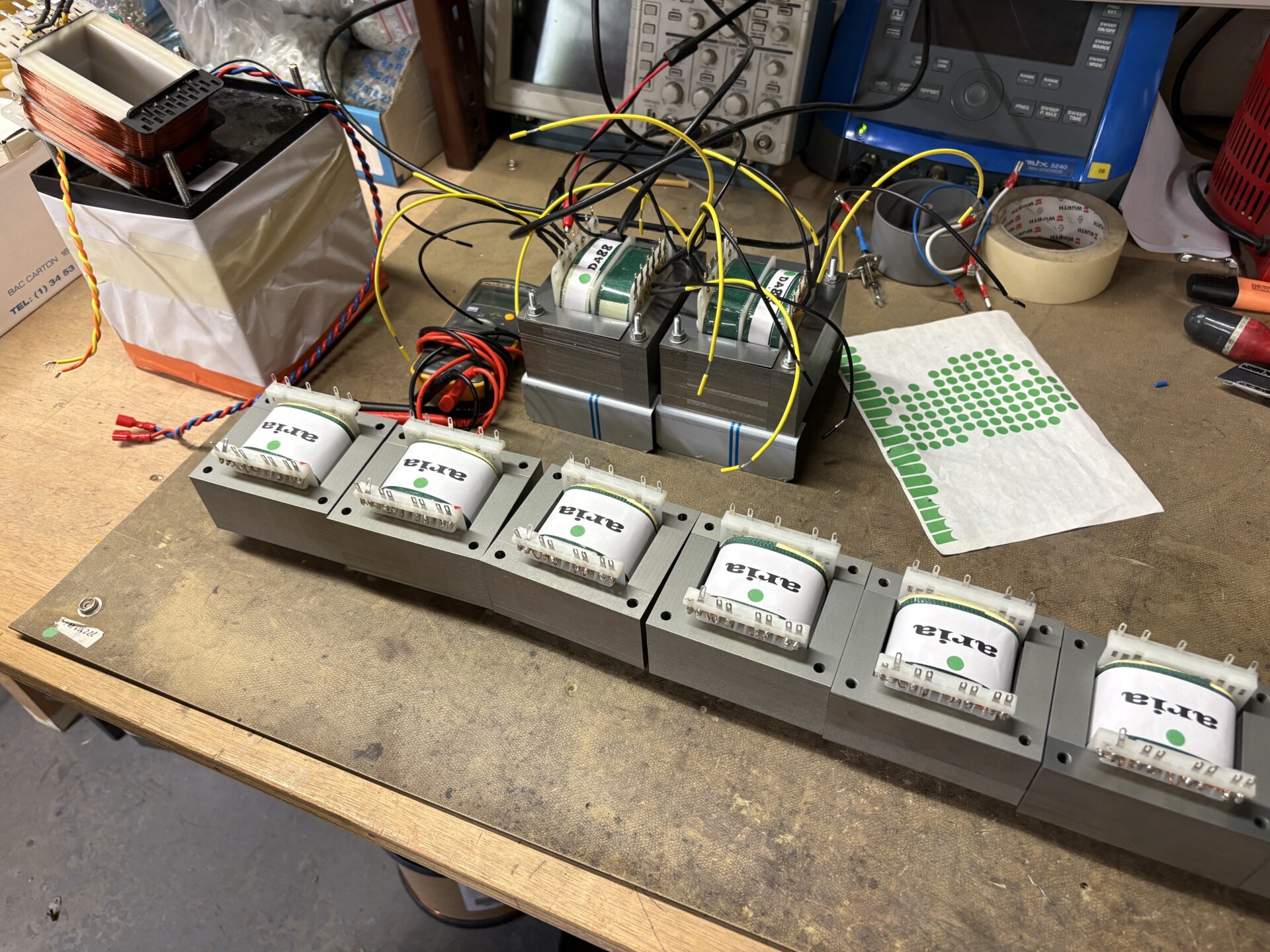
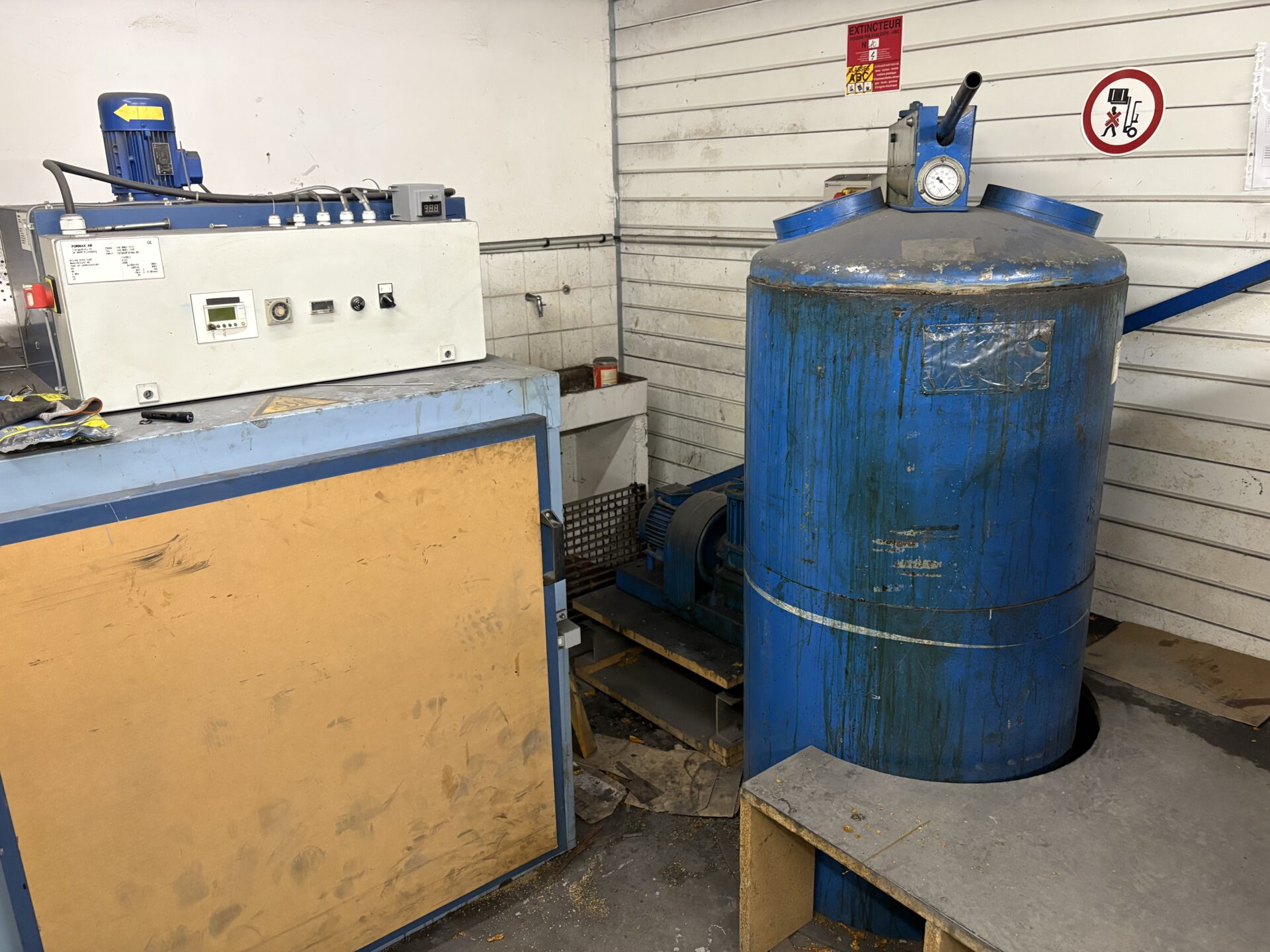
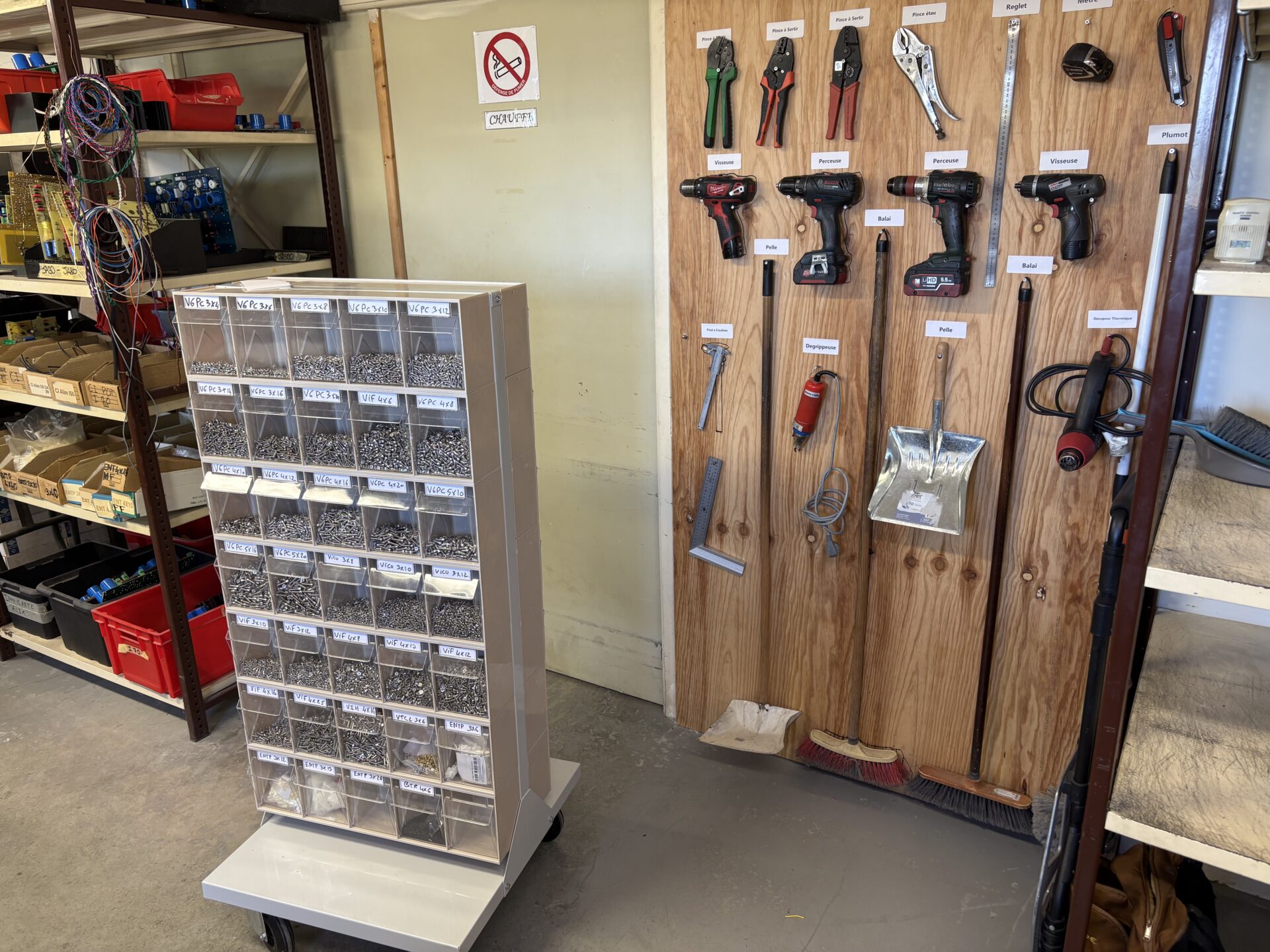
Since January, there has been a major overhaul of parts and inventory, the provision and organisation of tools and equipment and a more structured engagement with the production process itself. The products are still built in exactly the same way, with point-to-point, hardwired signal paths and a single engineer responsible for each complete unit (or pair of units), but parts availability is now consistent, tools are available for each workstation as and when required, the documents and build plans for each product have been amended and updated, incorporating direct input from the person actually building the product. Product options have been rationalised. Packaging has been redesigned and updated and, for the first time in the company’s history, there’s a product development strategy in place. Perhaps most importantly of all, there’s a buzz and energy about the factory, despite the heatwave sitting over Southern France. The workforce is more involved, their opinions are being listened to and their jobs are becoming easier. The resulting products sound better and there’s a pride that’s reflected in the improved packaging and presentation. It might be early days, but the future already looks bright.
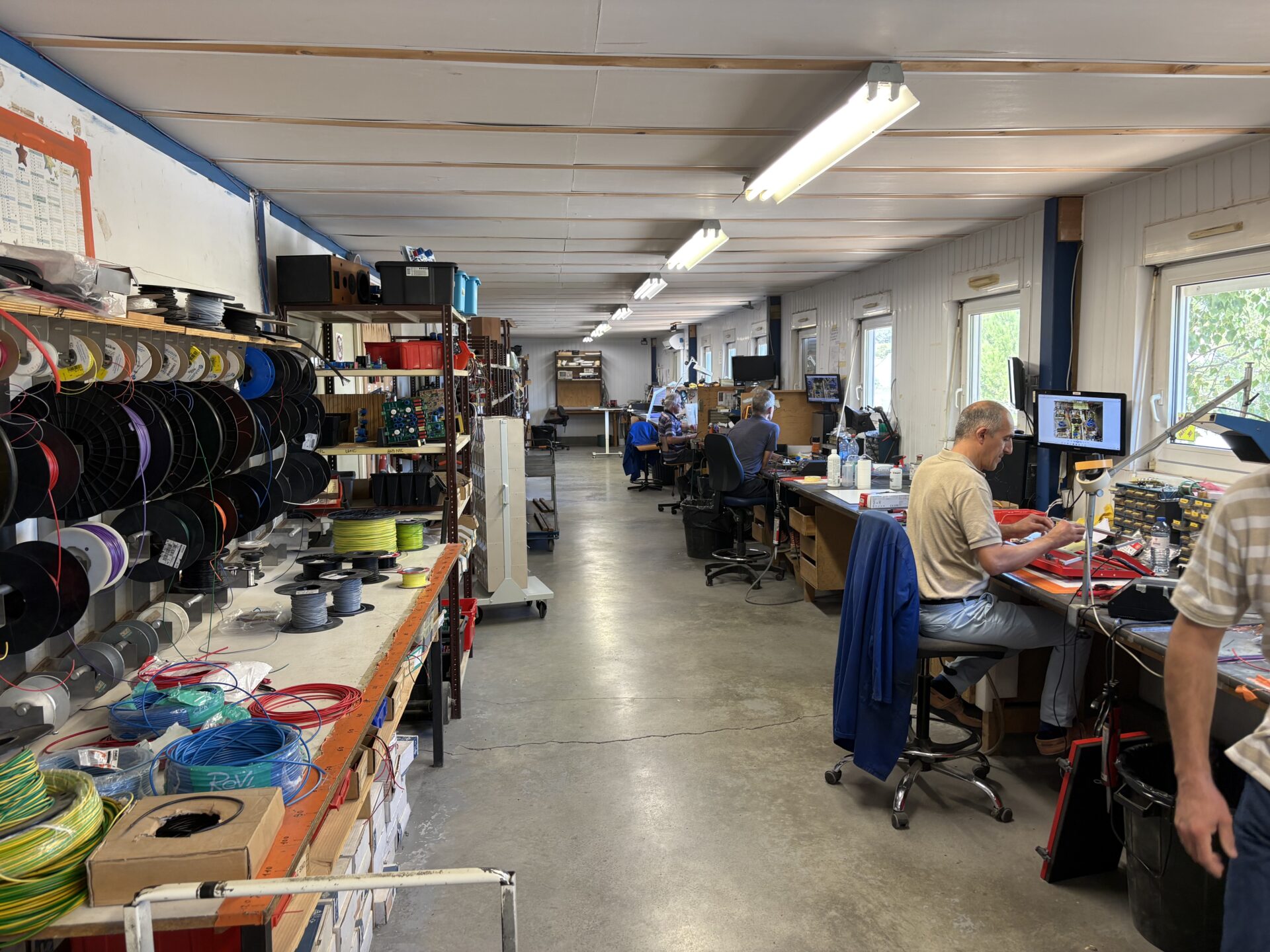
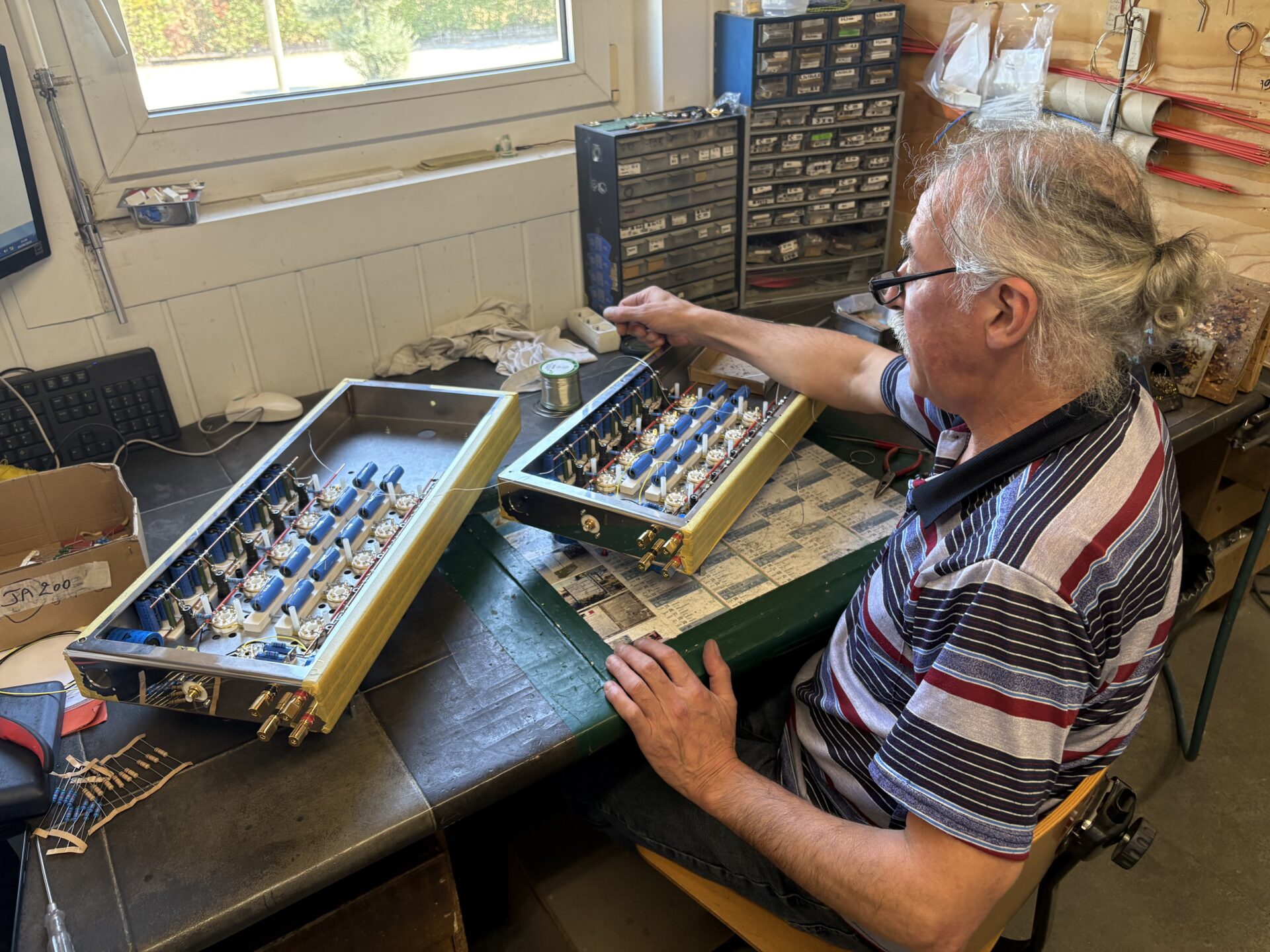
For a company that had rarely discontinued a product in its entire history, save through force majeure, the pre-existing range has been pruned and streamlined. Why have two versions of the same amp, with and without remote control? Just make remote standard and production, stock and parts supply all become easier to manage. But the product range is also overdue a refresh. There are significant plans in place and we’re already seeing the results. A new product line – the Aurea Series – will be aimed at younger consumers, with a server, streamer, DAC and hybrid integrated amp all planned, while the first product to be launched, the headphone amplifier, is already being built. Unmistakably Jadis, the aesthetic has been subtly updated for a new, fresh face.
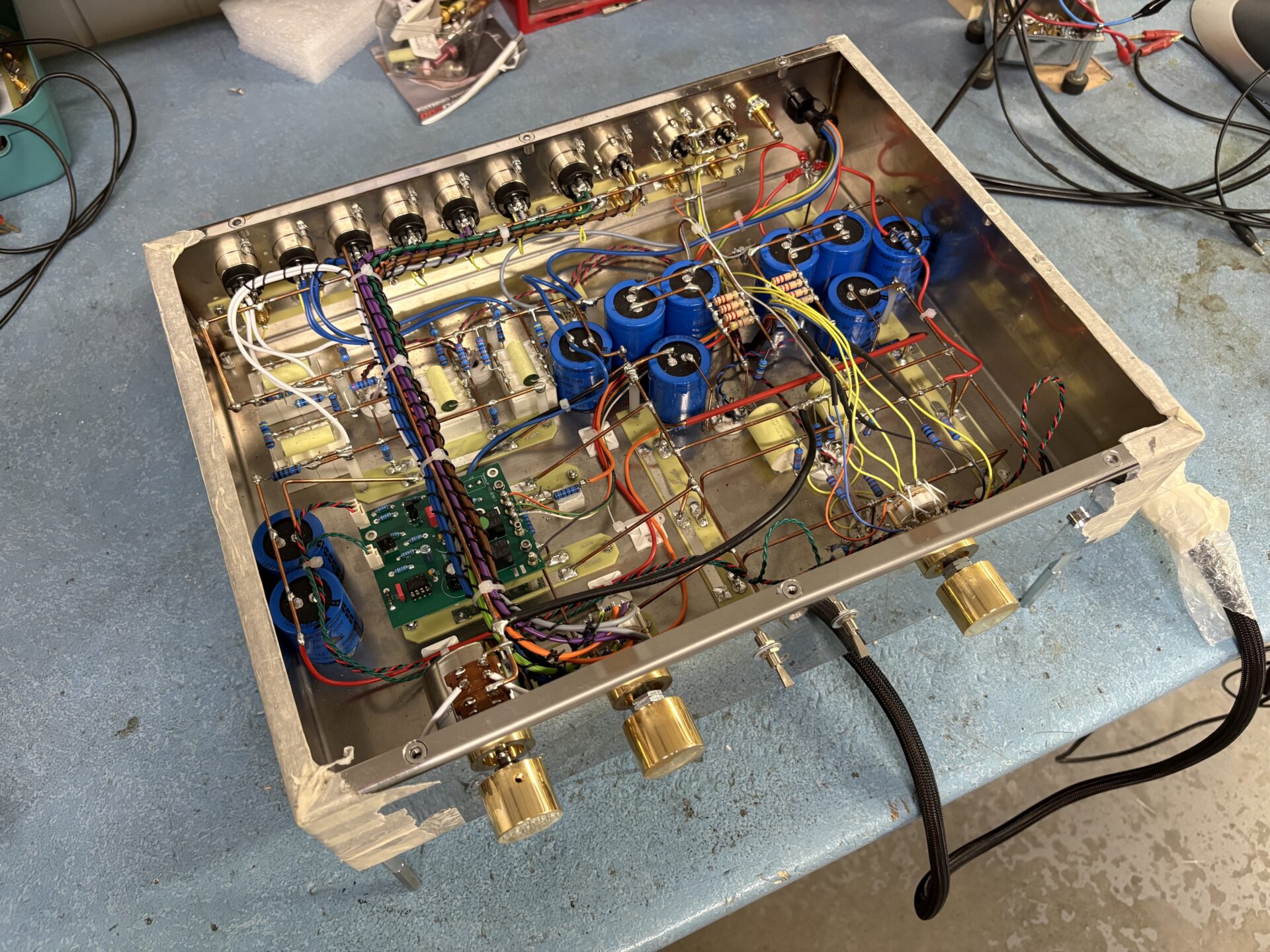
Meanwhile, the DPMC Evo tube-based, MM/MC phono-stage is the first product to benefit from the new design and production process. A new transformer design, coupled with major revisions to the physical layout of the circuit has resulted in a significant gain in signal-to-noise ratio, while a switch from ECC83 to 7025 tubes has reduced inherent noise levels. The result, according to both the company and the first, extremely positive reviews, is a major step up in performance and musicality – whilst preserving the same circuit. The performance benefits hinge on the improved evolution and execution the layout. The implications are profound, especially given just how musically engaging the Jadis products already sound.
Which brings us to the most interesting and potentially significant news to emerge from this visit. At the Salon Haute Fidélité, Paris (on the 26th and 27th of September) Jadis will be presenting a ‘new’ JA80 – although in the context of the current discussion, JA 80 Evo might be a more accurate name. Once again, based entirely on the original circuit and its point-to-point construction, the company has completely revised the amplifier’s layout to improve noise performance, while also upgrading critical components. A far more radical revision than the DPMC Evo, the company has opted for a more conventional, square footprint, dubbed Quator, rather than the oblong original, allowing for a more logical signal path and much greater flexibility in layout. If the DPMC experience is anything to go by, expect a worthwhile sonic and musical update on this revered amplifier, while also creating a package which will be easier to accommodate in the majority of audio racks and at the time, offer improved cable routing. That Ac connection on the upper front deck of the original amps was always a practical nightmare as well as a sonic challenge.