

Diptyque’s loudspeakers re-visit planar-magnetic technology, introducing modern materials and production techniques and significantly evolving the technology itself. Rather than re-inventing the wheel, they’ve simply made it run more smoothly. Gone are the Maggies’ rather home-spun aesthetics and lightweight construction. The latter hinting at a total, internal re-think. As well as modular driver construction, massively improving serviceability (and potentially, upgradability) that has included using double-sided, push-pull magnet assemblies right across the range – something found only in the more expensive Magneplanars. But in the latest, flagship model they have introduced a unique innovation, with dual ‘voice-coils’ on a single diaphragm. The Reference 2 is their most ambitious and expensive model by some considerable margin, yet at €50K it sits firmly on the bottom rung of the high-end ladder – at least in terms of cost. The question is, how much performance does it deliver. The Maggies always punched well above their weight, competing with products at far-higher price-points. Diptyque’s Reference 2 promises to do the same.
The Chord Co. ChordMusic cables.
The Chord Co. is notable for two things when it comes to cables: their absolute adherence to 3C consistency (conductor, construction, connectors) across each product line; the excellent price/performance ratio of those product lines. In fact, in a world which often seems removed from reality – especially the claims made and prices charged for audio cables – Chord products are refreshingly sane: well-reasoned and offering demonstrable performance benefits.
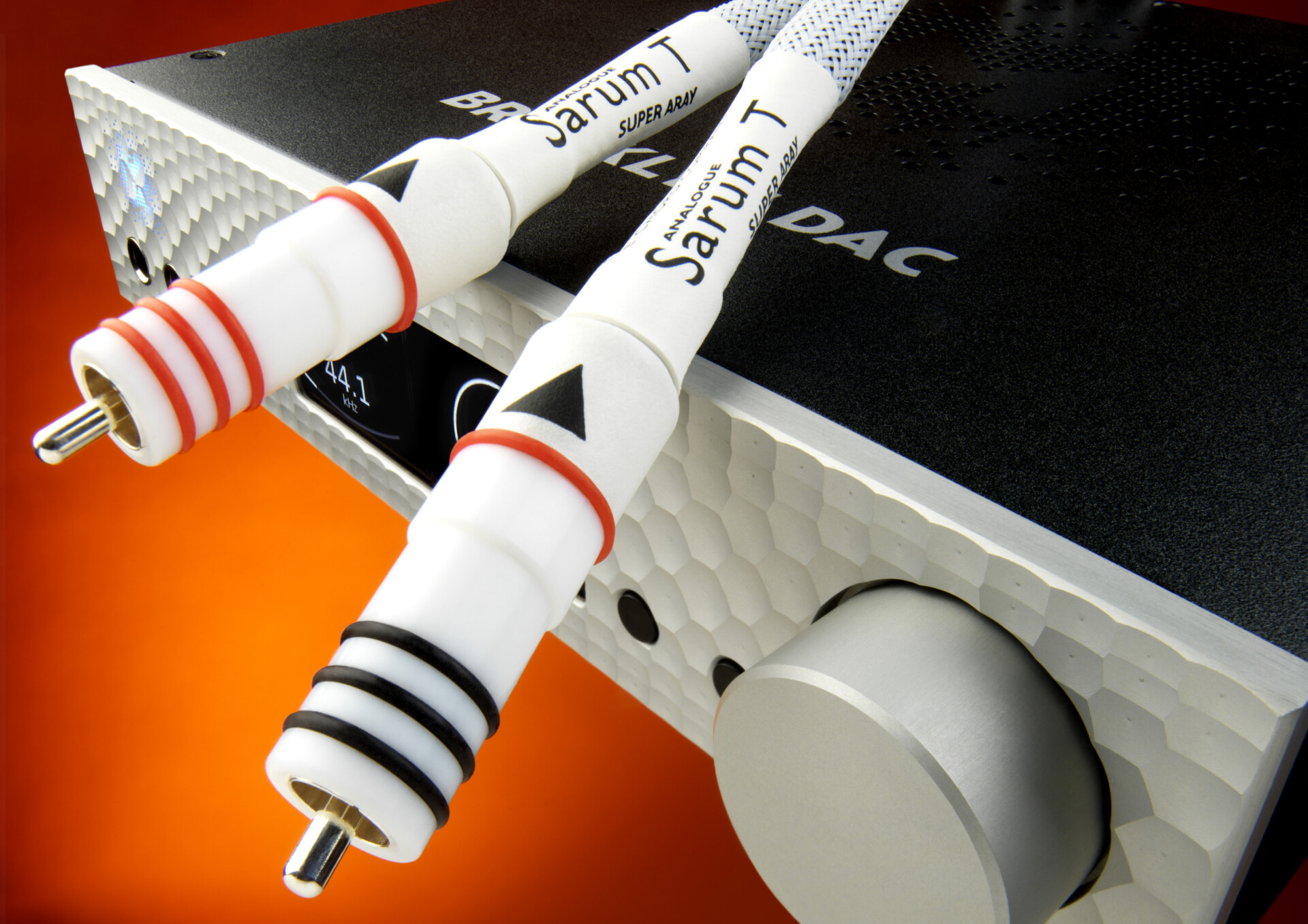
Over the years, their insistence on value for money has kept their products and pricing towards the lower end of the cable market. But that changed a few years ago. The company was never going to step up market unless it could offer something tangibly different with real benefits in terms of musical performance. That ‘something’ arrived in the shape of Taylon, a unique dielectric material, developed in the high-tech defence industry, specifically to overcome the temperature related phase shifts associated with Teflon/PTFE and FEP. Apparently, those phase anomalies were causing accuracy limitations in guidance systems. More importantly, they centre around 18-22 degrees C – or pretty much the temperature to be found in most listening rooms. Now, I love a good story as much as the next reviewer, but in this case, the claims do seem to be backed up by real performance gains. Taylon doesn’t come cheap (what does?) but at least coming through the Chord Co. design ethos, it comes a lot cheaper than it might: the company’s flagship ChordMusic cables are around half the price – or less – than competing flagship products. Sarum T – that also uses the same bespoke connectors and Taylon dielectric throughout the line – is around half that! Combine that technological promise with the embedded good practice that informs all Chord cables and the results could be very interesting indeed – and achieved with a substantial saving, at least in most high-end systems.