
This is one of my go-to discs, for set-up and initial product/system assessment – hence the multiple copies on hand. Playing the ‘un-cut’ disc, the sound was immediately familiar. This live, concert recording (the Tchaikovsky) has a real sense of performance about it, with a tension and presence that really bring it to life. The recording quality isn’t the best, but the playing, particularly Batiashvili’s solo part, overcomes that, drawing the listener in. It’s a great disc that invests even this (overly) familiar music with drama and emotional intensity.
Swapping to the ‘cut’ disc, I wasn’t sure what to expect. What I wasn’t expecting was the startling difference between the two! The ‘cut’ disc was louder, more focussed, more transparent, more dynamic and immediate, with much greater dynamic discrimination and clarity. The soundstage was deeper, better defined and better illuminated. We could hear further into that soundstage and hear far more clearly not only where instruments were located, but what they were playing. It’s not just the soloist that makes this disc: Barenboim’s accompaniment is beautifully weighted, balanced and directed. The ‘cut’ disc moved us several rows closer to the stage, bringing added control and intensity to Batiashvili’s playing, an increased sense of her bowing and clarity to her lines. But behind her, the orchestra took on a new presence and purpose, reinforcing the drama in the piece and her playing, heightening the sense of ensemble and of the orchestra as a single, coherent, musical entity. The sonic benefits were significant enough, but the musical benefits were dramatic – in every sense of that word.
It’s not often that you do something to a system and it has this transformational musical impact. Okay, you are operating right at the front of the chain, so you are achieving maximum onward benefit, but even so, this was a shocking difference. What, I wondered, was the significance of using a UHQCD disc? After all, part of the UHQCD format is the use of a harder, non-standard SHM polycarbonate material. Was that impacting the results? Well, the answer to that is yes and no. Hunting out a range of alternative, standard CD pairings (Neil Young’s Sleeps With Angels – Reprise 9362-45749-4 – and Christina Pluhar’s Music For A While – Erato 08256 463375 0 7 – simply confirmed the performance benefits. Even if the gap wasn’t quite as wide as with the SHM disc, it was still shockingly large and way more than worthwhile.
After multiple discs and multiple ABA comparisons, just to confirm that we really were hearing that big an uplift in performance it was time to do two things: take stock and start a serious search for a CD Sound Improver of my own. Perhaps the biggest confirmation of the improvement heard came in the shape of my wife’s approval, even encouragement, of that search! She heard it – and valued it – just as clearly as I did. These were clear, significant, musical benefits, not just hi-fi differences.
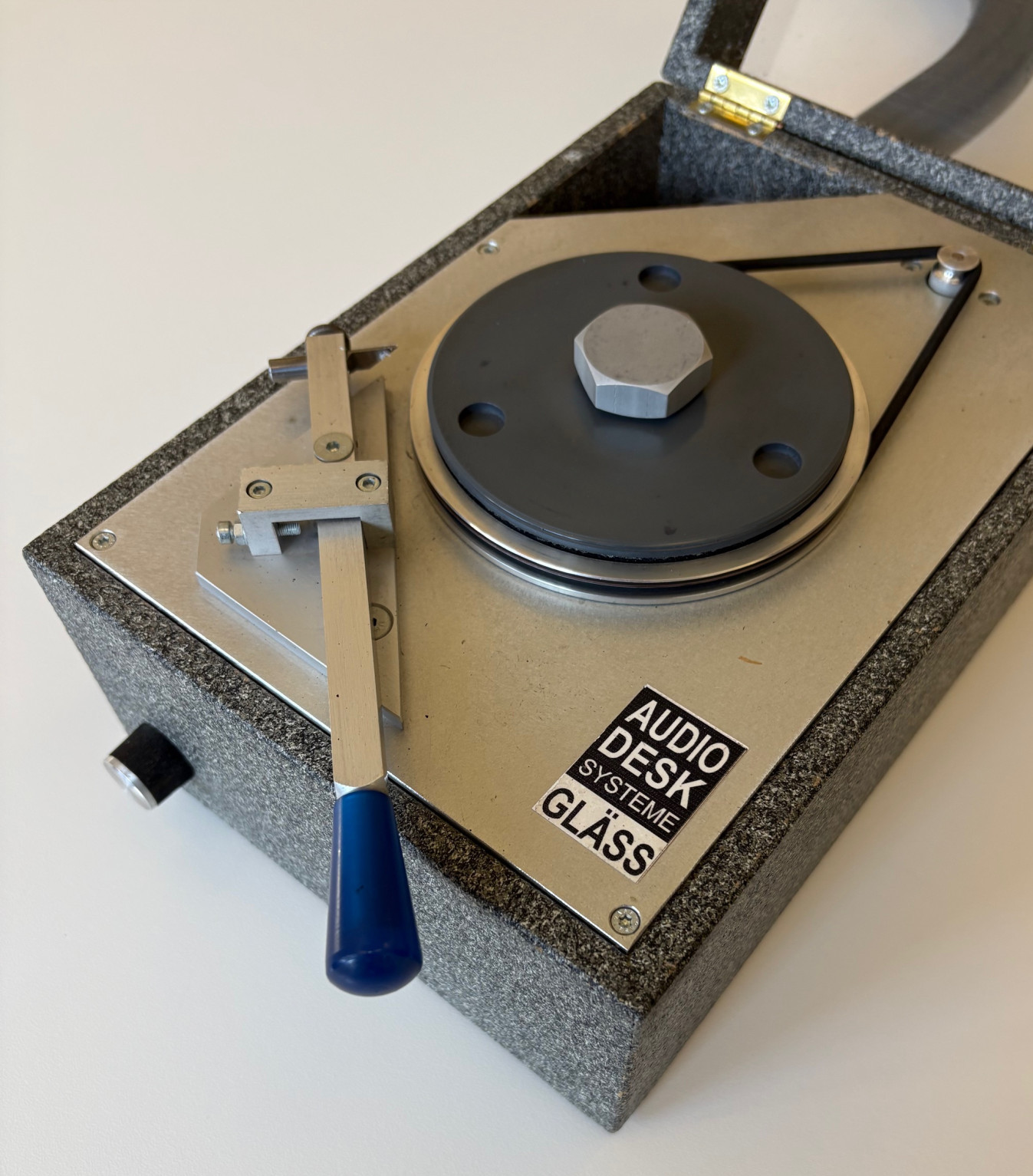
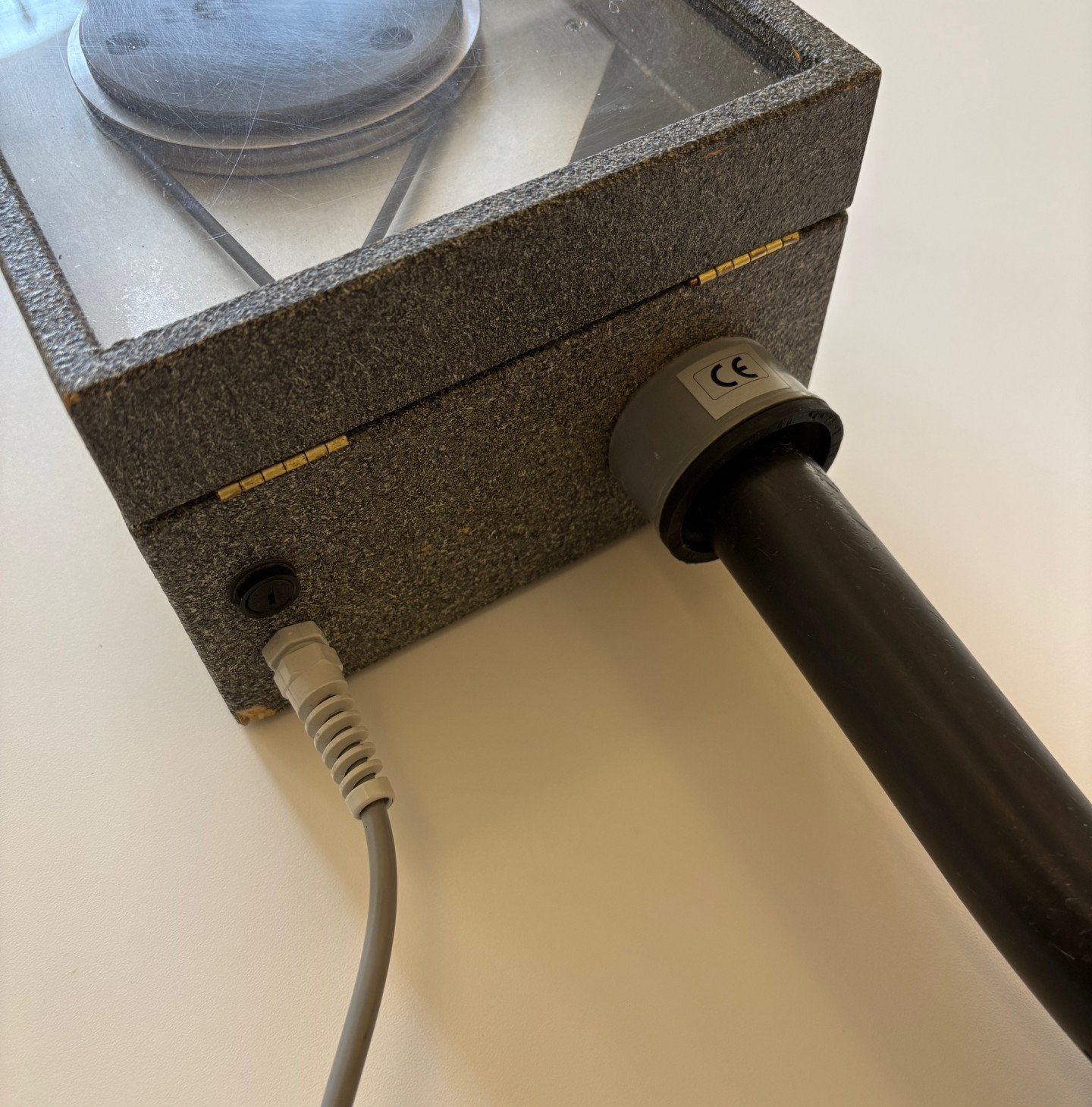
There are a couple of operational notes to take into consideration. The first is that, especially if you are using the vacuum extraction option, this is a noisy process. The sound of the vacuum cleaner, combined with the whine of the lathe motor won’t be music to your ears. I’ve found myself happy to do disc in batches of ten or so. More than twenty and it becomes a chore. Reducing batch size also means that you won’t cause the motor to overheat. Secondly, the on/off switch is rotary and doubles as a speed control. While trimming the edge of the disc, you probably want to run it flat out, but I reduce the speed for painting the edge, thus reducing wear on the tip of the marker. Having cut plenty of discs now, I can report that SHM discs and standard CDs or SACDSs behave differently. The softer polycarbonate material of standard discs is far more forgiving. SHM discs demand a more-gentle approach, but also seem to produce less swarf, possibly suggesting that they are more concentric to start with? ADS caution you to clamp discs firmly before cutting, to prevent any kicks or jamming during the operation. This is especially important with SHM discs. Fortunately, the hand operated swing-arm provides plenty of tactile feedback, so you’ll quickly develop a feel for the process. Beyond that, the system is quick and efficient to use. Once familiar with the procedure, ten discs should take less than fifteen-minutes to trim, which makes this way easier than cleaning LPs…