
Learning the lessons and reaping the rewards of ‘One-ness’.
By Roy Gregory
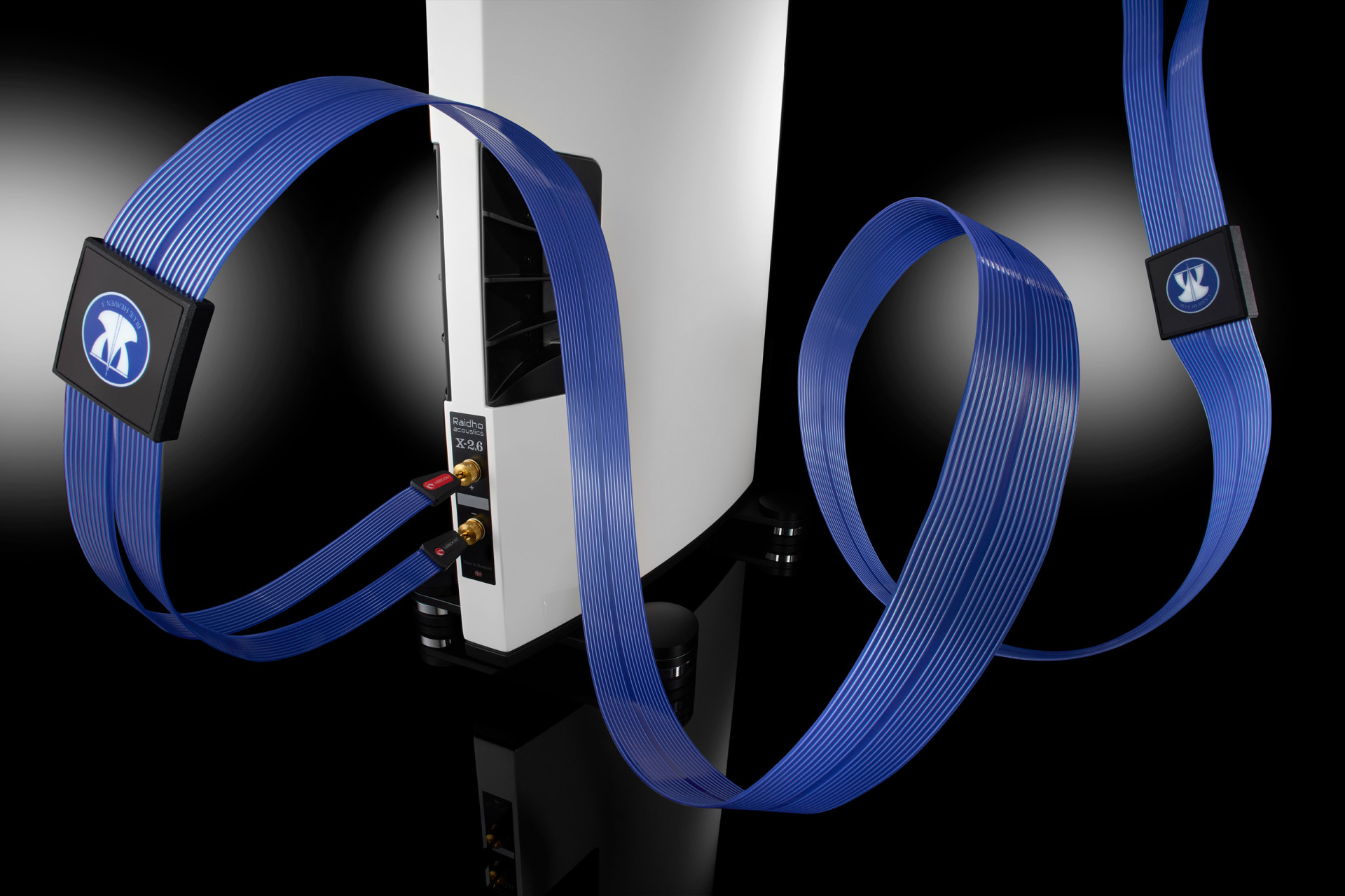
In the first part of this review, we looked at how a coherent approach to cable strategy, using the same cable right through a system, enabled the already impressive Nordost Blue Heaven 3 cable line to perform significantly above its price-point, transforming system performance and expectations in the process. It’s an incredibly cost-effective approach and one that Nordost exploits to the full, right across its product lines. But it is also a general strategy, that can and should be applied to any well-designed cable-line (a distinction discussed in that first section) and every system. It’s an approach that, if you are serious about system performance (and, given the sums many of us invest, you should be) you can’t afford to ignore.
First things first…
But understanding just what an important role cables actually play when it comes to building system performance is only one part of this equation – and the easy part at that. Given that most people don’t have a coherent cable loom that embraces their entire system, short of dumping down the cash for a complete new set of cables, how do you move from a mix-and-match set up to a unified solution? The arrival of a complete Blue Heaven loom – a cable set that is both extensive and relatively affordable – allowed an investigation of just how effective a unified approach to cabling really is – and how best to achieve it in the real world. Part I of this review discusses just what qualities the Blue Heaven 3 cables bring to a system, musical qualities and integrity that surprise as readily as they impress. Now it’s time to compare that performance to the sort of mix-n-match cable set you’ll find in many systems.

As with any process where you are completing the set, the biggest impact arrives with the final step – the one where you complete the chain or pattern. But considerable experience across many different cables, systems and situations, suggests a strict set of priorities and possible interim steps. Moving from a mix-n-match set-up to a complete, coherent loom generally requires some planning as well as decisions as to what you are going to keep and what you are going to replace. After all, if you can build on some existing cables, incorporating them into the plan, you’ll end up with fewer cables to buy. Just be aware that it’s not as simple as which of the cables you have are the most numerous or expensive. Look instead at the various cable ranges with examples included in your system: whichever of those ranges offers the most coherent and considered approach, consistent materials/technology and best (for which, generally read most minimal) connectors is the one to work with.
Once you’ve decided on the cable range you’ll use, irrespective of which specific cables you already possess, you should follow these simple rules:
- The most important cable is the one coming out of the wall. (At this point it’s worth installing a dedicated AC line with a parallel ground, if you haven’t already. Replace the wall socket with an audiophile unit and treat the connections with a contact enhancer/preserver.)
- After that, a star-grounded distribution block should be your next priority, followed by the rest of the AC cables. (Most distribution blocks will indicate a preferred plugging order and you should use that as a starting point, but don’t be afraid to experiment…)
- Next priority will be the analogue signal cables – interconnects and then speaker cables, although you should try and do all of the cables in the key signal path at the same time. If you are doing it by stages, work from front to back – and don’t forget the tonearm lead!
- If you use digital leads (AES/EBU, S/PDIF or clock cables) these should ideally be changed all at once. Their priority in the great scheme of things depends on where the various digital sources sit in your listening preferences – and how convoluted a digital chain you use: the more links in the chain, the more critical cable choice becomes. But this is also where we get to natural breaks in the loom itself…