
Same old story – whole new ball-game?
By Roy Gregory
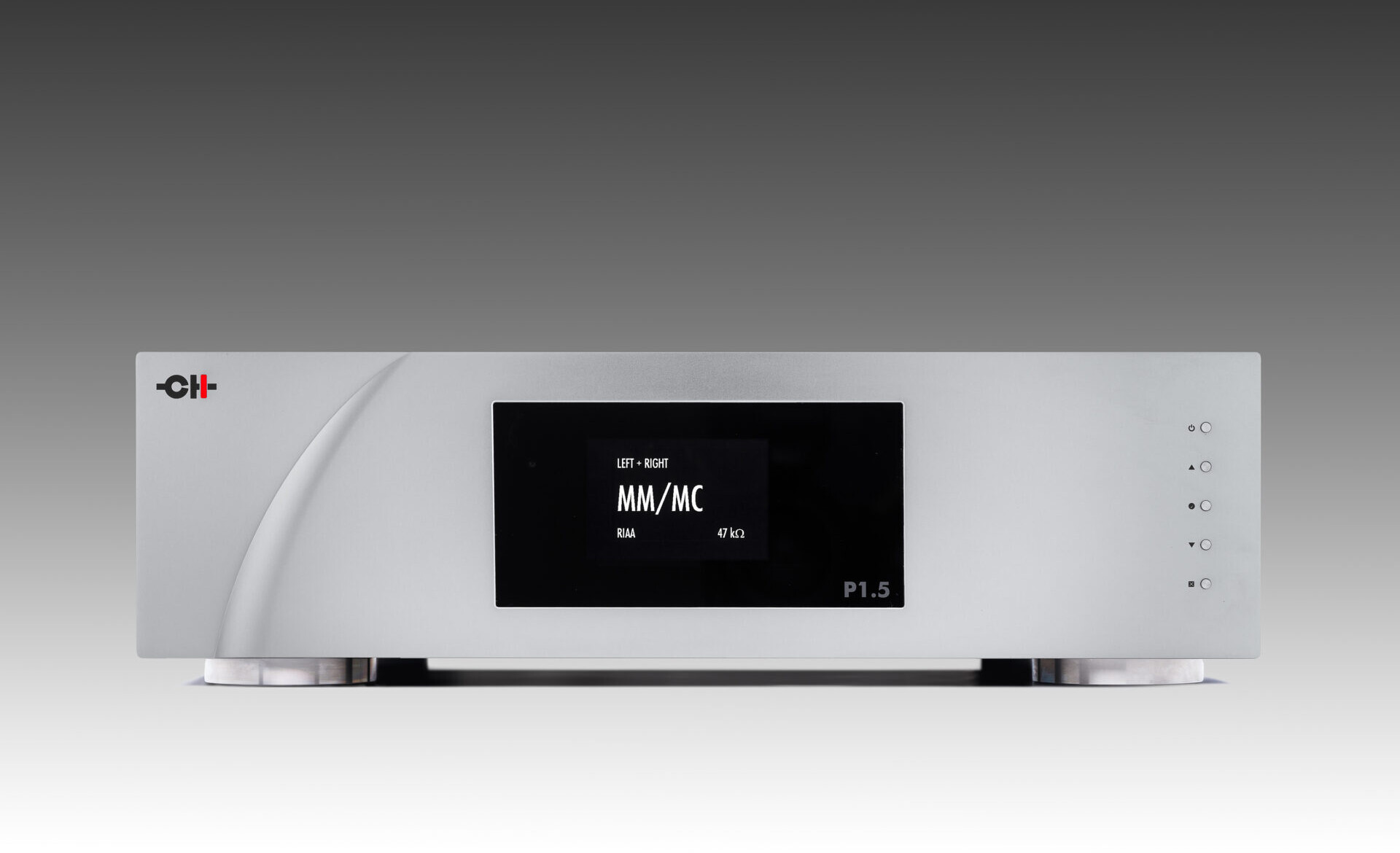
One of the things visitors to the Tokyo International Audio Show this weekend can see (and hear) will be two new products from CH Precision, the P1.5 phono-stage and L1.5 line-stage. These ‘second generation’ components fall into line with the D1.5 CD/SACD player and A1.5 amplifier, while both products bring new performance capabilities and new facilities, garnered from the bigger 10 Series models. Both promise a substantial step up in performance, an exciting proposition for potential customers and existing owners alike.
Alone in CH’s developmental history, with its long-term commitment to upgradability and expandability, the D1.5 and A1.5 are the only units that have required a product exchange rather than offering the ability to upgrade the existing chassis. Fortunately, the P1.5 and L1.5 don’t follow suit, with older units fully upgradable – although in either case this upgrade could be considered more of a re-build. So, any P1 or L1 will be upgradable to the new 1.5 standard, including not just new boards and screen, but a completely new product identity and serial number. Outwardly of course – and in CH Precision tradition – both units appear almost identical, to each other and to their predecessors, only the 1.5 designation on the screen window showing their status. But that is more than just an aesthetic conceit. It’s the very basis of the upgradability that future-proofs the products.
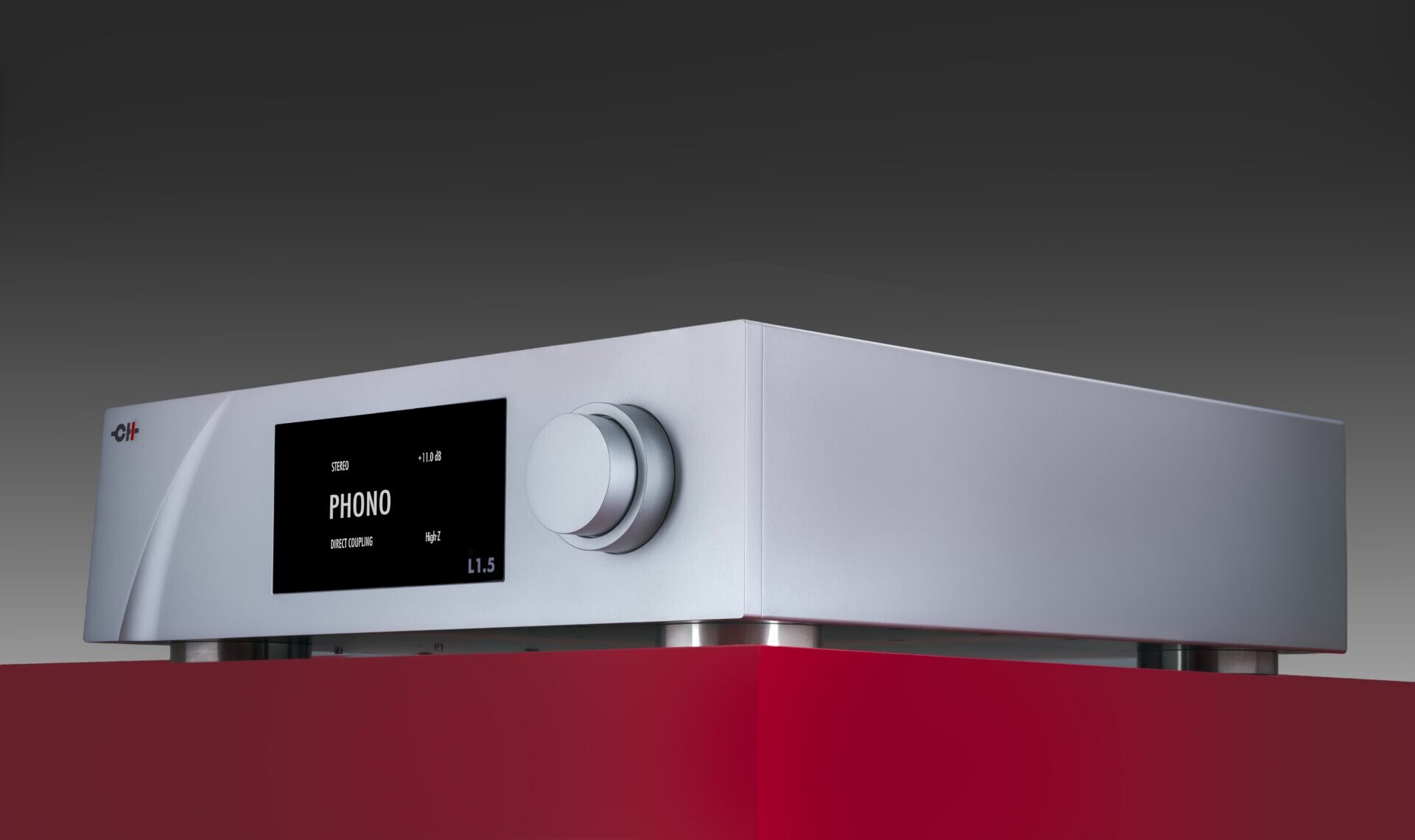
Also following past practice, although the new units are being shown in Tokyo, pre-orders from distributors mean that initially, only complete units will be available. Given current commitments, upgrade kits for existing units are planned to come on-line in March ’27 for the P1.5 and June ’27 for the L1.5. However, with both products slated for review and as if to make the point about upgradability, rather than supplying new units, CH chose to give my in-house L1 and P1 the upgrade treatment. Watching the process really underlined just how substantial a change the .5 updates are. Rather more involved than simply pulling a couple of boards, this will definitely be a dealer/distributor task rather than an end-user operation.
So, what changes, what stays the same, what’s involved and how much will it cost?
Both the P1.5 and L1.5 employ the circuit topology of their 10 Series counterparts. Component quality, tolerances and matching don’t scale quite the obsessive levels applied to the 10 Series and clearly, the on-board power supply can’t match the performance of the extremely sophisticated external unit used by the 10 Series units, but these are, to all intents and purposes, one-box versions of the P10 and L10.
Both internally and functionally, that means bigger changes to the P1 than the L1 (although you can expect a similarly significant step-up in performance from both). At first glance, things seem much the same. The P1.5 still offers two current sensing inputs (for low internal impedance MC cartridges) and one voltage sensing MM/MC input. It offers the option of alternative replay-EQ curves and it is equipped with balanced and single-ended inputs and outputs. So far, it looks like a case of, “the more things change…” But in reality, it really is a case of “All change!”
