

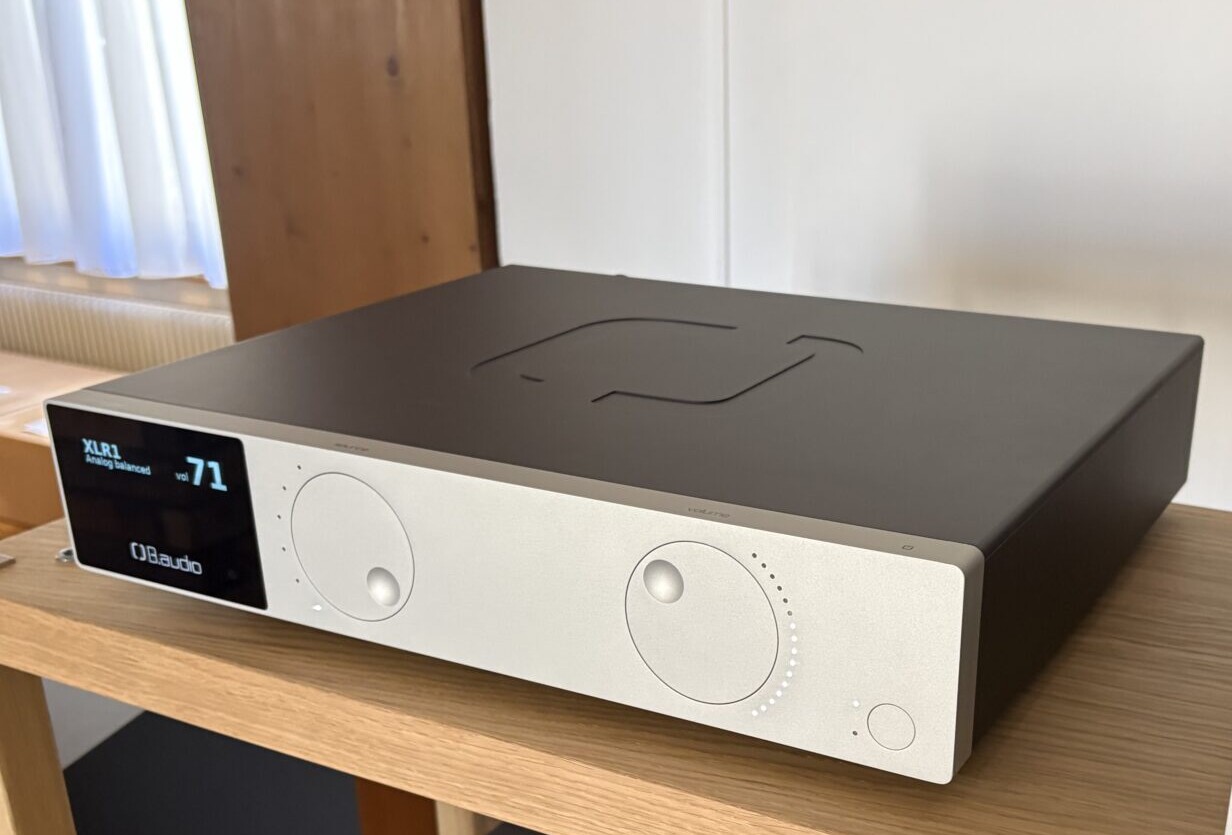
The pre-amp follows the twin, rotary source select and volume control format of the dpr units from the One and Reference lines, but this is a strictly analogue affair, with two sets of XLR and three sets of RCA inputs and both XLR and RCA outputs. There’s also a phono-input option. On the rear panel, you’ll find a pair of multi-pin connectors for the same (in this case, again optional) external power supply used with the DAC. If experience with the CH products is any guide, the option to double up the PSUs, dedicating one to each channel might well add an extra level of performance. The Ultime series takes B.audio onto a new price level: the twin-box DAC is expected to cost around €30,000, the pre-amp €20,000, bringing them head-to-head with the established competition that, until now, they’ve been handily under-cutting. Projected for Q1 2027 delivery, given how well the established Reference components compete, the significant improvement in musical performance delivered by the Ultime pairing bodes well for their success.
But more interestingly, it also gives both boxes space to breathe, stepping away from the compromises unavoidably inherent in single-box, multi-function solutions. What the Ultime components acknowledge is the fact that a DAC has no place trying to drive a power amp directly from a variable output, even via a buffered output stage – at least, not in a high-end system and not if musical performance matters. That’s what makes the Ultime series products such a fascinating proposition. Just as the One Series and Reference line manage to combine performance orientated minimalism and ultimate, single-box versatility in a single, configurable chassis, creating a range of products to match a range of needs and expectations, the Ultime components accept and respond to the demands of genuine high-end systems, where performance trumps the convenience of a single box solution. If the fluid, communicative articulation of the B.dac is anything to go by, the Ultime DAC is building on some serious DAC DNA.
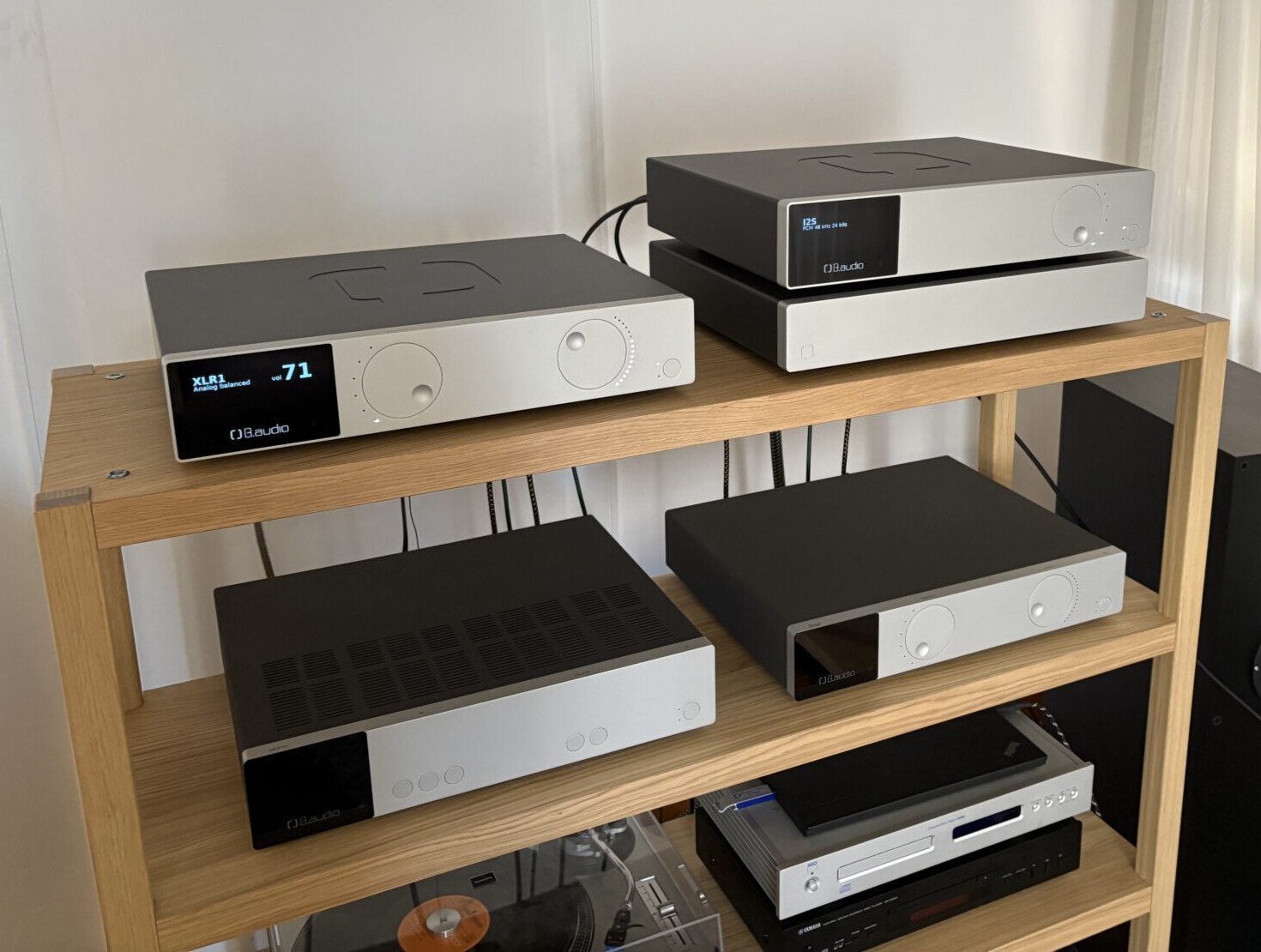
Listening to familiar material through a pair of the company’s B.amp mono amplifiers, driving Intrada Josquin loudspeakers, courtesy of their Polish distributor, there was a notable lack of the grain and timbral compression that so often afflicts streaming systems, while rhythms were tight and infectious, vocals natural and engaging. The system tracked shifts in musical density beautifully, while still preserving the subtle beauty of Maria Wylma’s Alles Gute. Fluid and expressive, the challenging Uchida/BPO/Rattle recording of Beethoven’s 4th Piano Concerto was presented in all its graceful, emotional intensity. That’s no mean feat and one that has trip[ped up far more expensive digital components than these.