

Distributors share many of the manufacturers’ concerns, but with an increased emphasis on end-user contact. In these days of direct sales on more expensive products, those customer contacts have suddenly become crucial. The line between B2B and B2C is becoming increasingly blurred, yet the shows have not evolved to reflect this.
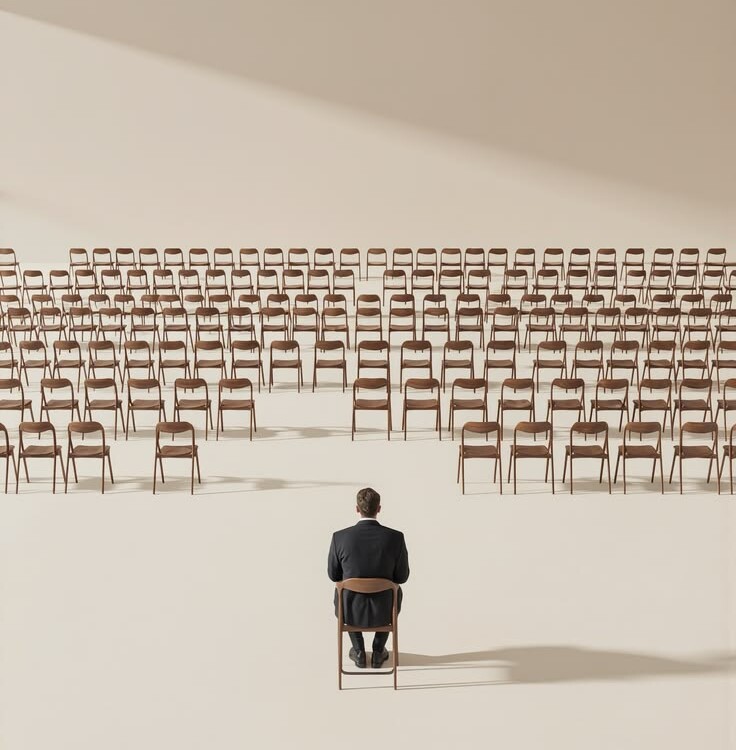
Which brings us to visitors. They might be going to a show to seek a new product or confirm a choice already made – but more likely it’s a quasi-religious trek to the church of personal interest, an opportunity to reaffirm one’s continued interest in audio. But what lesson is learnt if the systems and new technologies on show sound worse (and cost more) than the ones we already own? For most visitors, a range of different, good-sounding rooms and available manufacturers to talk to would add up to a good show. Unfortunately, good-sounding rooms are few and far between, while most exhibitors don’t set-up for P2P contacts. You want to talk to the guy who designed your speakers or built your amps? If they are at the show at all and if you get to talk to them, it’ll probably be in the corridor, outside a room which they are also ‘running’.
So, what can we conclude from all this?
Well, the first thing is that a bigger event ain’t necessarily a better event. More rooms or more visitors don’t matter if those rooms aren’t useful or the visitors don’t tick the right demographic boxes. Likewise, for the public, crowded, noisy rooms and shared spaces quickly erode both the enjoyment and the value of any event. So, simply looking at the raw numbers generated by show organisers is absolutely no guide to the nature or quality of an event.
The key questions are:
The availability and nature of exhibition spaces.
Who and what will be there – not just the brands but information on products and the individuals behind them.
What is the visitor demographic? How much do they spend on audio and what might they be looking to buy?
What is press attendance expected to be? Not just the number of journalists, but the publications they represent.
Access to such information would make for better targeted and more focused events, happier customers, more effective marketing spend and better overall sonic results – which would be good news all-round. Except for show organisers, for whom more rooms and more visitors very definitely mean more money. And there’s the rub… Unless the industry decides to organise its own event(s) – or unless organisers have a road to Damascus revelation that quality rather than quantity might be a more saleable commodity, major shows are unlikely to change. Yet it wouldn’t be difficult to provide greater transparency as to what’s on offer, or to marshal space to produce better sonic and musical results. Meanwhile, it’s actually in visitor’s interests to offer data regarding systems owned and expectations – they just need to be offered a way to do it.
