
DD, Vienna, the ACV and the search for good sound…
By Dennis Davis
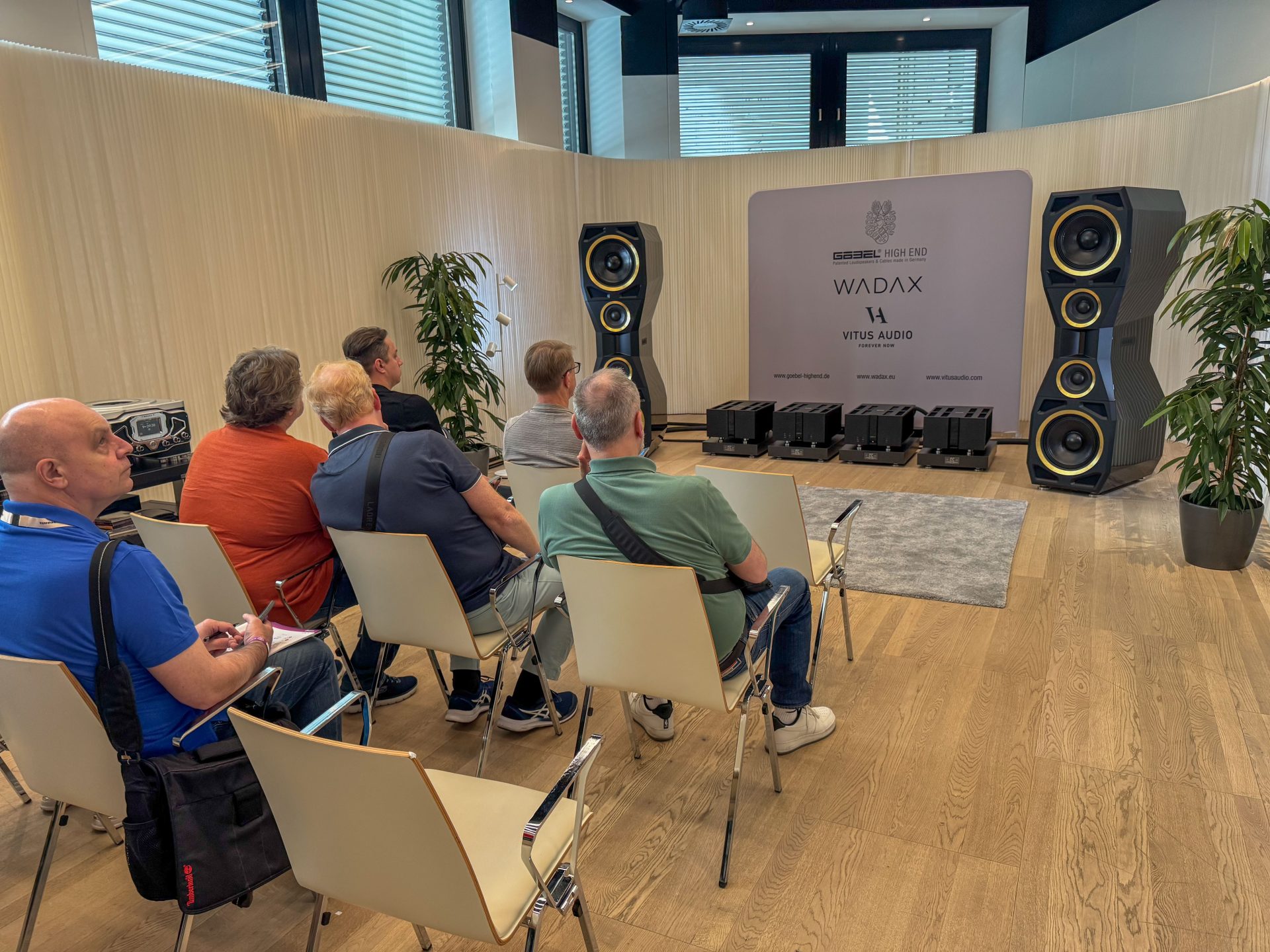
The High-End Show always emphasizes size. Size matters when you are trying to attract attention. Why travel halfway across the continent, or across the world, to experience something less that’s less impressive than the gear that you left behind at home? And what is more conspicuous than size? But what took me by surprise this year in Vienna, was not the size of the gear assembled in the exhibitors’ rooms, but the sheer size of, and the disposition of the resulting space by, the facility itself.
Munich’s MOC, home to the High-End show for over 20-years, was no shrinking violet, with impressive size and space. However, I found the regular arrangement and appearance of the exhibition halls and rooms at the MOC somehow uniquely German — four almost identical halls, lined up in a row like good little children. Two of those halls were linked, open-plan areas, two offered an open-plan ground floor with an atrium above, flanked by two floors of configurable space. An arrangement that delivered the MOC’s signature identical rooms. Start on one floor and proceed down the hall. Then move over to the other side and repeat the process, before moving upstairs/downstairs and repeating again. Go to the next hall and – you guessed it – do over. It was all orderly, almost regimental, and the layout made it hard to miss anything.
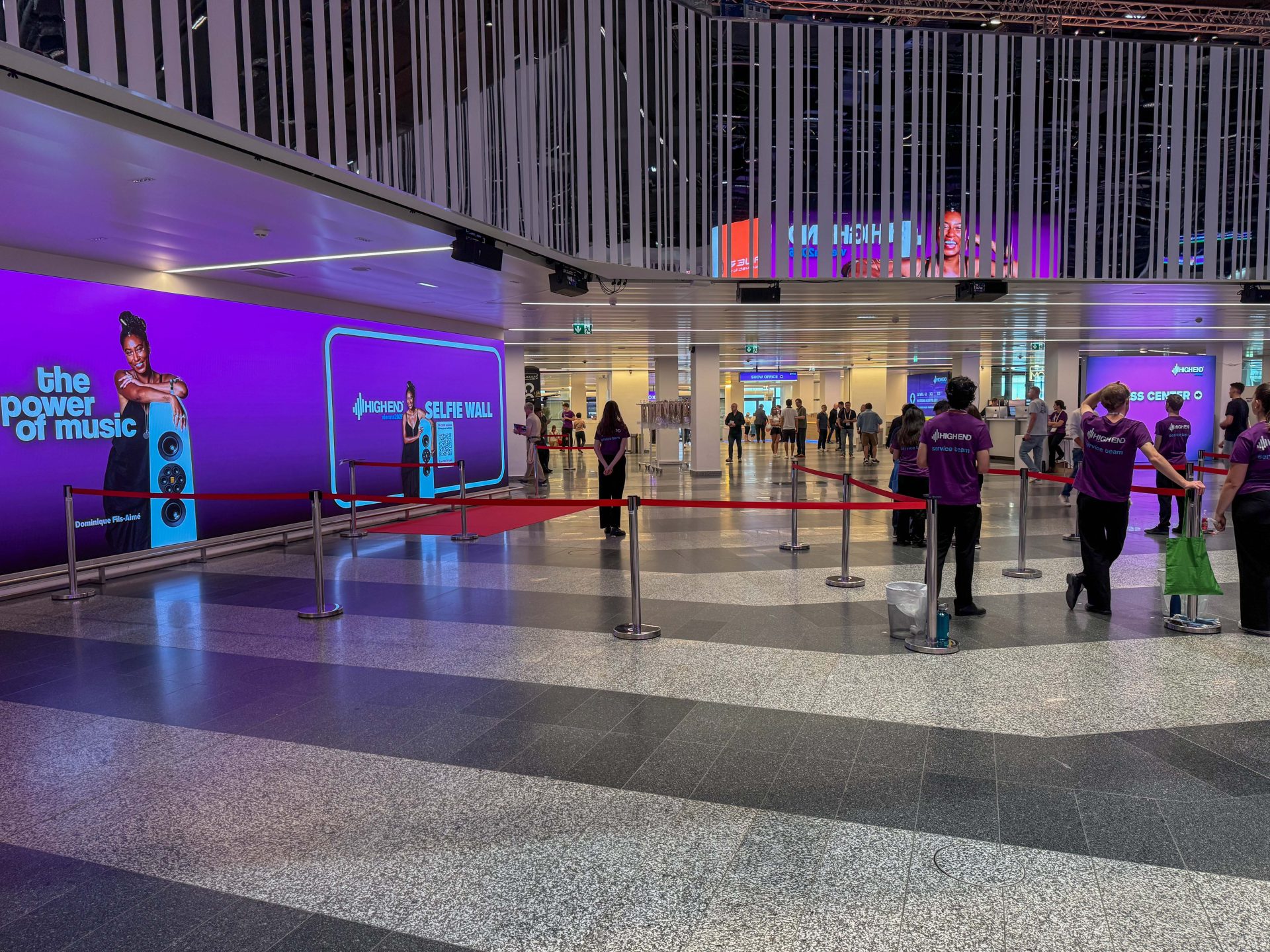
The Austria Center Vienna (ACV) offers an entirely different space plan. It might have roughly the same footprint as the MOC – sources/claims vary on that one – but the ACV allocates that space in a very different way while navigating the resulting floorplan makes for an entirely new, and in many ways, a confusing experience.
In the past, I’ve associated Vienna with color rather than size. From the stunning Golden Hall at the Musikverein, to Klimt’s The Kiss, Vienna has always emitted a golden glow. But cross the banks of the Danube to reach the ACV and all that changes. Nestled in a collection of modern high-rise office and hotel buildings, the ACV rejects the orderly box-like and Germanic formula of the MOC for a more modernist construction. The main facility is a truncated triangle, arranged across five floors. Long, configurable rooms are arranged down the outer edges of each floor, surrounding wide open central spaces. Divided up by floating walls, these are the rooms (interspersed with many smaller spaces) that housed most of the active systems. In addition, three rectangular halls are connected to the side, in a staggered, offset arrangement, filled with prefabricated sound-cabins and booths housing static displays.
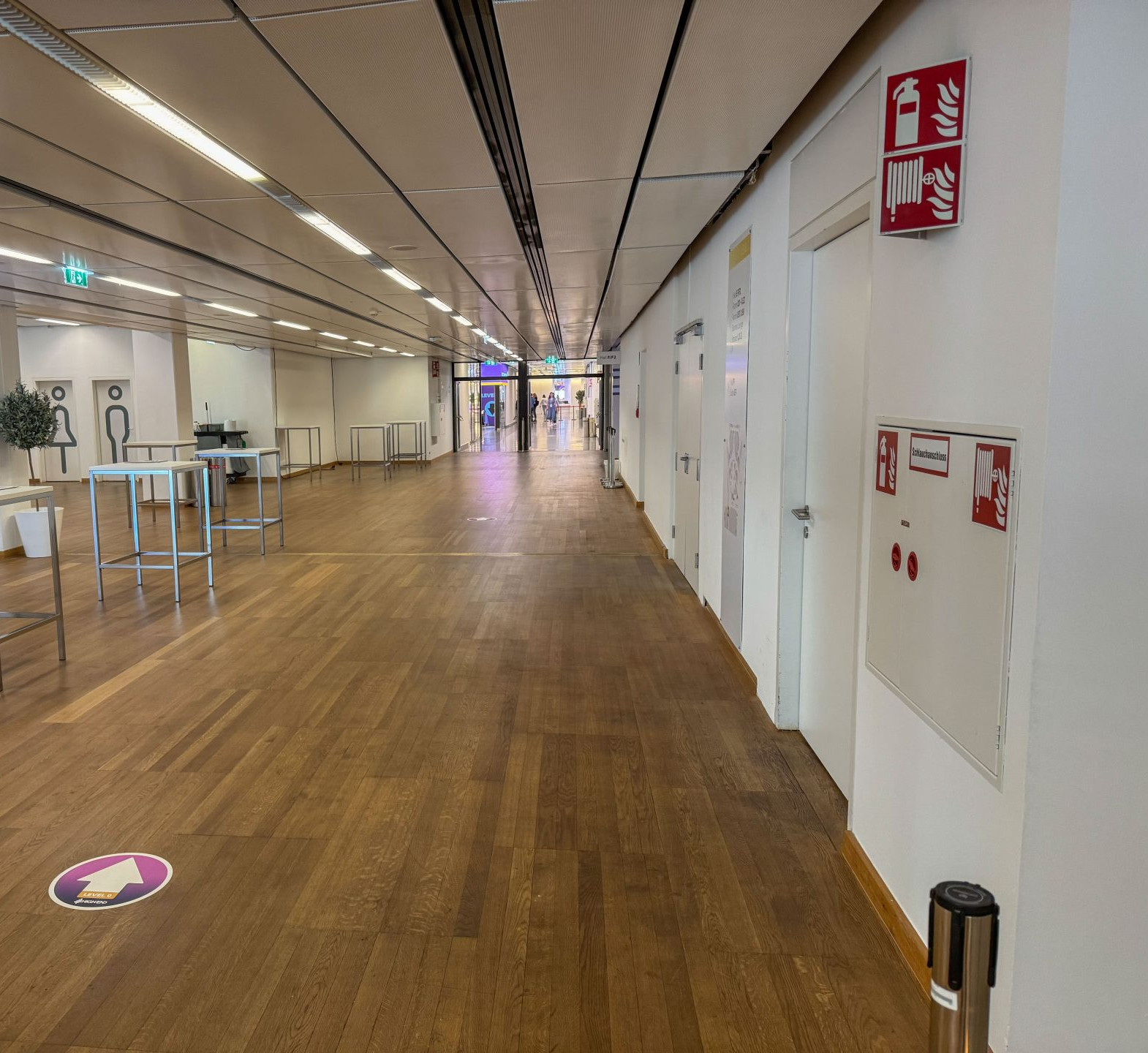
This layout results in a quite different experience from Munich. First, the triangular shape of the main facility results in massive amounts of open space. Supersize is no benefit when wasted on public areas, helps create the impression of seriously diminished attendance and results in fewer or smaller rooms separated by vast expanses of empty space. On top of that, it’s just harder to keep your place. Take a break from going room to room for some refreshments and you’d better remember the room number you last visited because navigating back to the same spot is less than obvious when the halls are largely devoid of landmarks and signage. Some of that is down to familiarity and the MOC could certainly be daunting on your fir visit, but the absence of regularity or geometrical logic not only makes the ACV confusing but it makes it easy to miss rooms…