
Part two – Speaker placement and alignment
By Roy Gregory
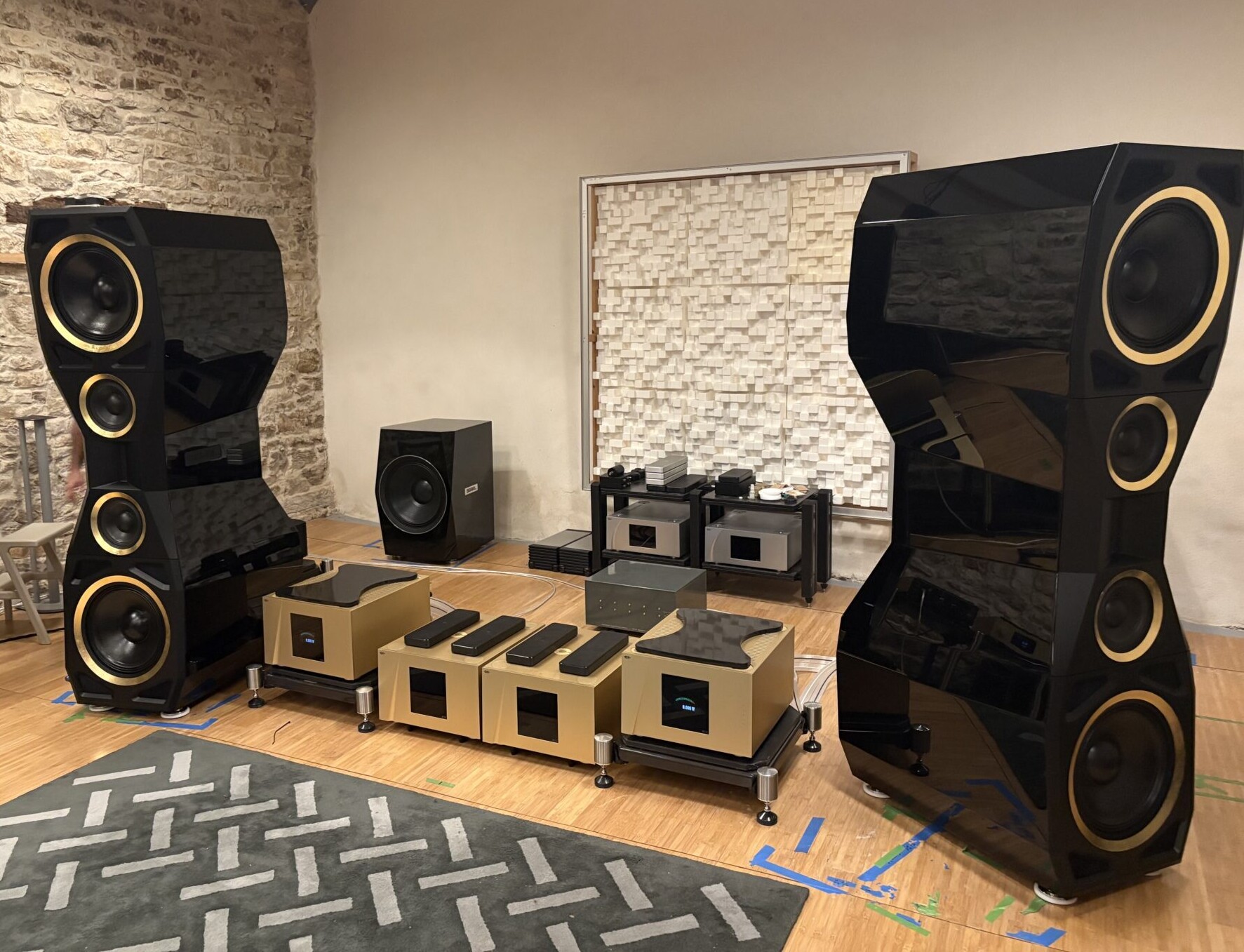
With the system’s electronics installed and optimized as detailed in the first part of this set-up saga, it’s time to get serious about the speaker set-up and final system optimization. Who you gonna call? Who better than Stirling Trayle of Audio Systems Optimized? Not only does he have unrivalled experience working with systems and speakers of this price and complexity, he is familiar with both this room and the other speakers in the Göbel Divin series, particularly the Majestic, the Noblesse and the Sovereign sub-woofers – all directly relevant to this project. Indeed, when the Divin Noblesse/Sovereign system was reviewed by The Absolute Sound magazine, it was Stirling who set up the system – although this is a far more ambitious and demanding proposition, taking overall system optimization to a far higher level.
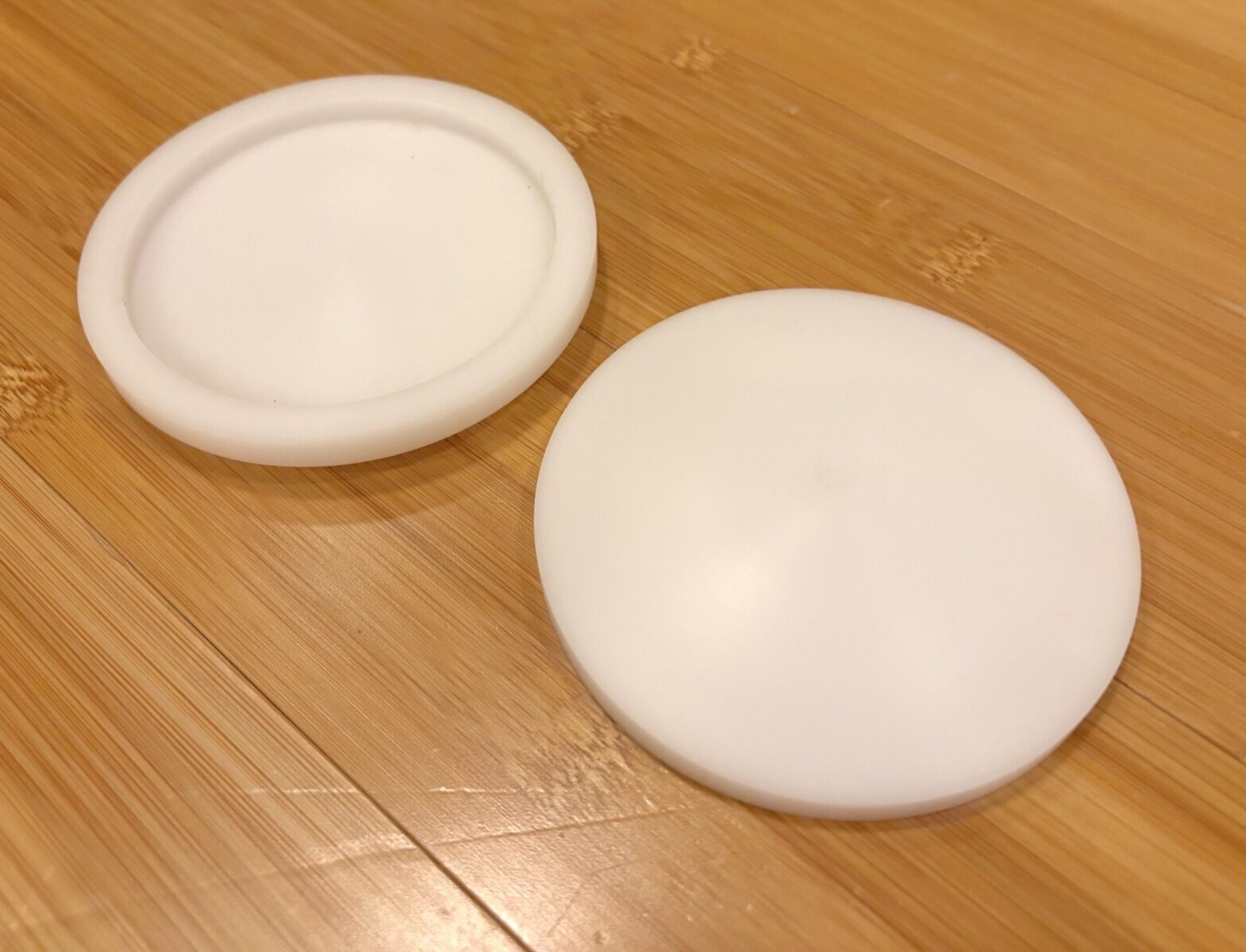
The first stage in the speaker set-up is actually simply a case of getting the speakers up and running, a process that mitigates the impact and physical insult of their relocation as well as getting them up to operating temperature – something that takes a surprisingly long time. With that in mind, the Monarque’s were released from their protective cling-film layer and stood roughly where the Noblesse had ended-up when we reviewed them. Hooked up to the CH Precision M10s (in passive bi-amp mode) and even stood on their positional sliders, it was immediately obvious that the speakers felt at home in the room. But before I get into that, a word about those sliders. Contrary to popular (but uninformed) wisdom, these are NOT machined from Teflon. Nor should you use the various Teflon sliders that are available, usually employed for shifting furniture. Why not? Because audio equipment weighs a lot more than most furniture. Supporting something as heavy as the Monarque, the soft surface of Teflon sliders picks up grit or dust as they move over it, turning them into abrasive pads that will scuff or score polished floors and even some tiling. Instead, the Göbel sliders are machined from harder, nylon material, which resists grit or dust getting lodged in its surface. So, no – NOT TEFLON. Manufacturers, installers and other (often self-appointed) ‘experts’ should know better…
Too many cooks…
With the speakers warmed-up and ready to rock, we were finally able to set about final placement and system optimisation. But first, let’s establish the ground rules – or, who’s in charge, who contributes what and whose is the ultimate responsibility for the final result.
Although I’ve detailed various set-up approaches and procedures over the years, there being no, one correct method, it’s worth documenting the ST/ASO process as in certain ways it is quite distinctive. Like my own, generally used methodology, it works on each speaker in turn, before seeking to combine and fine-tune their outputs. But rather than disconnecting one speaker and using a mono signal (the way I generally proceed) Stirling works with both speakers connected, working on one while turning the other at almost 90 degrees to the listening axis. It’s something that I’ve observed and we’ve discussed many times and personally, I still find it hard to work in this way. But it clearly works for Stirling – as the results attest. His explanation is that he is balancing the output of the speaker he’s working on against the acoustic influence of the room and wants to hear it reacting to the energized space, rather than in isolation. It’s a valid point and one worth considering. It probably moves you further in the first step of the process, making it easier to combine the output of the two speakers later. In my experience it also takes longer. So, spend the time now to save it later – or vice versa? But that’s not the point.