

These days a lot of those stores have retreated from the high-street (with its high-rents and small spaces) into the side or back streets – or even onto industrial parks. Why that locational migration? It’s a simple case of financial pressures and overheads. Back when the (audio) world was young, audio stores still did a lot of bread-and-butter business, had a whole lot more customers and even had walk-ins. They generally stocked everything from table radios and TVs to radiograms or ‘music centres’, all the way up through mini/midi systems (for teenagers or just-married couples) to mass-market separates and a smattering of products from the emerging high-end. Soon, specialist, audio-dedicated dealers started to emerge, but in doing so they lost a lot of that day-to-day business that depended on foot traffic and visibility. It was easy to compensate (or even take advantage of that) by moving to lower-profile, cheaper premises, which was okay because it was also a time when audio was a higher priority and system prices started way lower, so there were enough customers willing to seek out the specialist stores.
It was also a time when most systems were built around a record player. That’s important because it was one area in which the customer’s expertise was limited and a dealer could add serious value – and adding value was and still is the name of the game. As a customer, the ‘value’ of the reseller lies not in the décor of their demo rooms, but in the performance they extract from your purchase and system. The law of diminishing returns is an excuse beloved of audio manufacturers and dealers alike, but if a dealer is really doing his job, returns (in terms of the quality of performance) should easily match expenditure. If they don’t, it’s the wrong product in the wrong system – and that makes it the wrong dealer, at least for you. Investing in high-end audio should be all about value – and that depends on releasing the performance potential that lurks, so often unrealised, within the products you’ve bought. That’s exactly what a really good dealer can do and, given the price of high-end audio components these days, if not priceless, it’s certainly an ability to take seriously.
Retail price structures are based on percentages and, in crude terms, margins in audio are higher than average. But those margins reflect the overheads necessary for the business to function. What few customers (and quite a few audio salesmen) fail to appreciate is that retail businesses, once they’ve met the cost of overheads, generally generate profit margins in the mid to low single figures. That means, if they give a customer a 10% discount on a sale, they’re actually losing money.
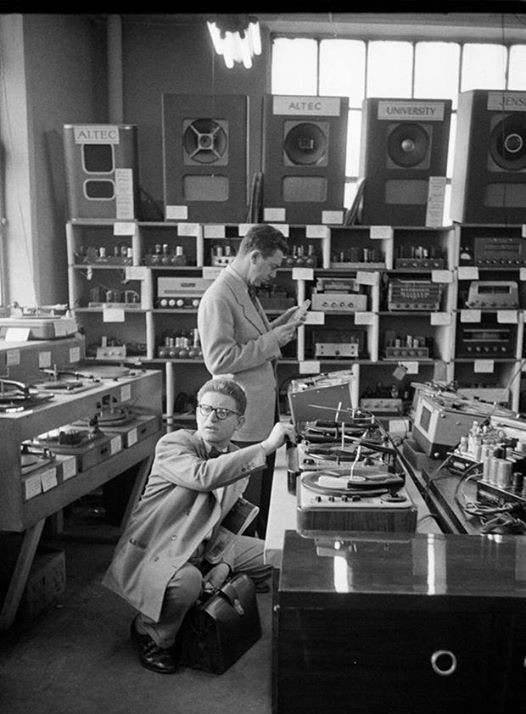
But from a business perspective that’s only the tip of a looming iceberg. With entry-level sales migrating online and the absence of starter systems and customers to feed mid-level upgrade sales, high-end dealers are left exposed: all caviar and no bread and butter. It’s a reality that has produced a range of divergent responses, responses that revolve around the place of business and an essential misconception. At one extreme, many of the bigger, more established bricks-and-mortar dealers have doubled down on their investment in premises, buying into the misplaced belief that expensive audio equipment justifies ‘luxury’ status and should be sold and presented like handbags, designer clothes or watches. It’s an idea that has acquired considerable currency and, as a result, we’ve seen more and more extravagant stores appear. It’s certainly one way to go, but it ignores a critical flaw in the argument: ‘Luxury’ status is given by the consumer, not assumed by the supplier.