

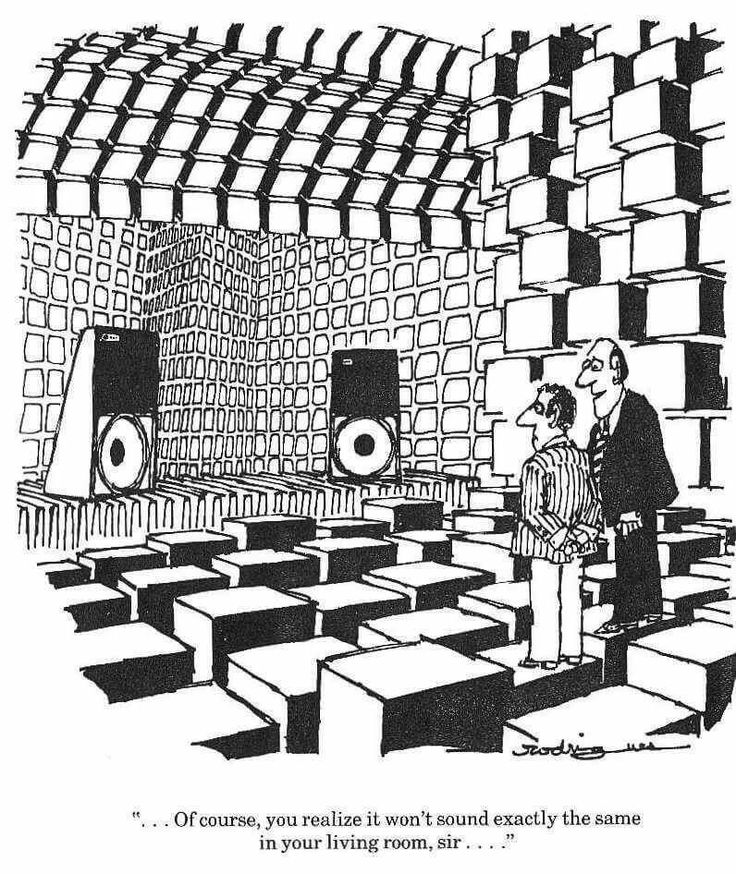
These days, more and more dealers are down-sizing or abandoning traditional premises altogether – and it makes more and more sense to do so. Reducing overhead is and always has been a core pillar of successful business. If expensive demo rooms don’t pay their way, eliminating them as a cost leaves more money to invest in time, tools and equipment – increasing the chance of a better result and an improved customer experience. Yet the industry (as opposed to the customer base) still clings to the value of B&M stores, looking down on ‘Home Dealers’ and often dismissing them as second rate (despite all evidence to the contrary). The problem is, that in doing so, they’re clinging to the appearance of competence rather than investing in competence itself.
As a customer, you have a choice of what you buy but also, in most cases, who you buy it from. There are a few extreme instances where dealers or distributors have proved to be so unpopular or unpleasant that whole swathes of the audio community have voted with their feet, refusing to cooperate or do business with such odious individuals. At the same time, as prices have risen and the number of dealers stocking a given product line in depth, even a geographically huge and financially affluent market like the US can only support a handful of dealers for all but the biggest brands. In turn, that has eroded notions of dealer territories. Increasingly, customers will travel to hear and dealers will travel to demonstrate or install high-priced products.
Not so long ago, serious products got reviews in print magazines and it was the also rans and wannabes that filled the space in online publications. That’s no longer the case, with products from high-profile manufacturers often appearing online (and in considerably greater depth) before they grace the printed page, while print magazines fight a daily rearguard action against spiralling costs. Just as that once seemingly inviolate status quo has collapsed, so the assumption that serious dealers have bricks-and-mortar premises is also being called into question – by customers if not the audio establishment.
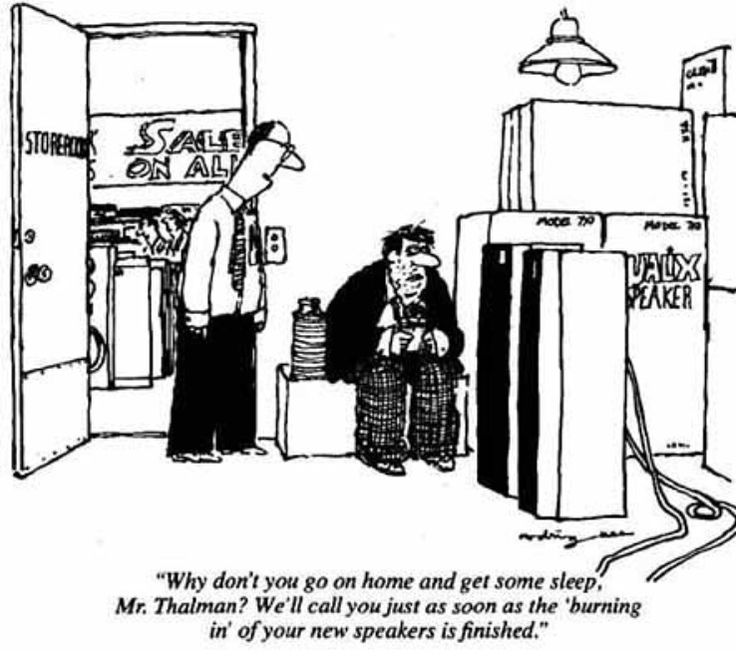
The demanding nature of modern equipment means that you’ll achieve better results far more easily (and spending far less in the process) if you work with a really good dealer. In choosing that dealer ask yourself, what are they bringing to the process?
What specific skills do they possess? Can they demonstrate the value of their input, in a demo room, a private listening room or your room?
Are they adept when it comes to set-up, both generally and in the case of the equipment you own and are interested in?
How’s their audio vocabulary (do they speak your listening language?)
Is selling and installing audio equipment their sole income – or is it a side gig?
Do they deliver improved performance – results that are demonstrably better not just different?
Do they have the actual product you want to hear or just something from the same range?
Sadly, while it’s possible to find all those things inside fancy premises there’s absolutely no guarantee that you will. A dealer with the ability to play you the exact product you are interested in and knows how to get the best from it, or one who can offer (and demonstrate) a credible solution to you musical or system issue, is infinitely preferable and a whole lot more useful than any amount of plush surroundings and noncey coffee.