
Thick As A Brick – another surprising masterpiece!
By Roy Gregory
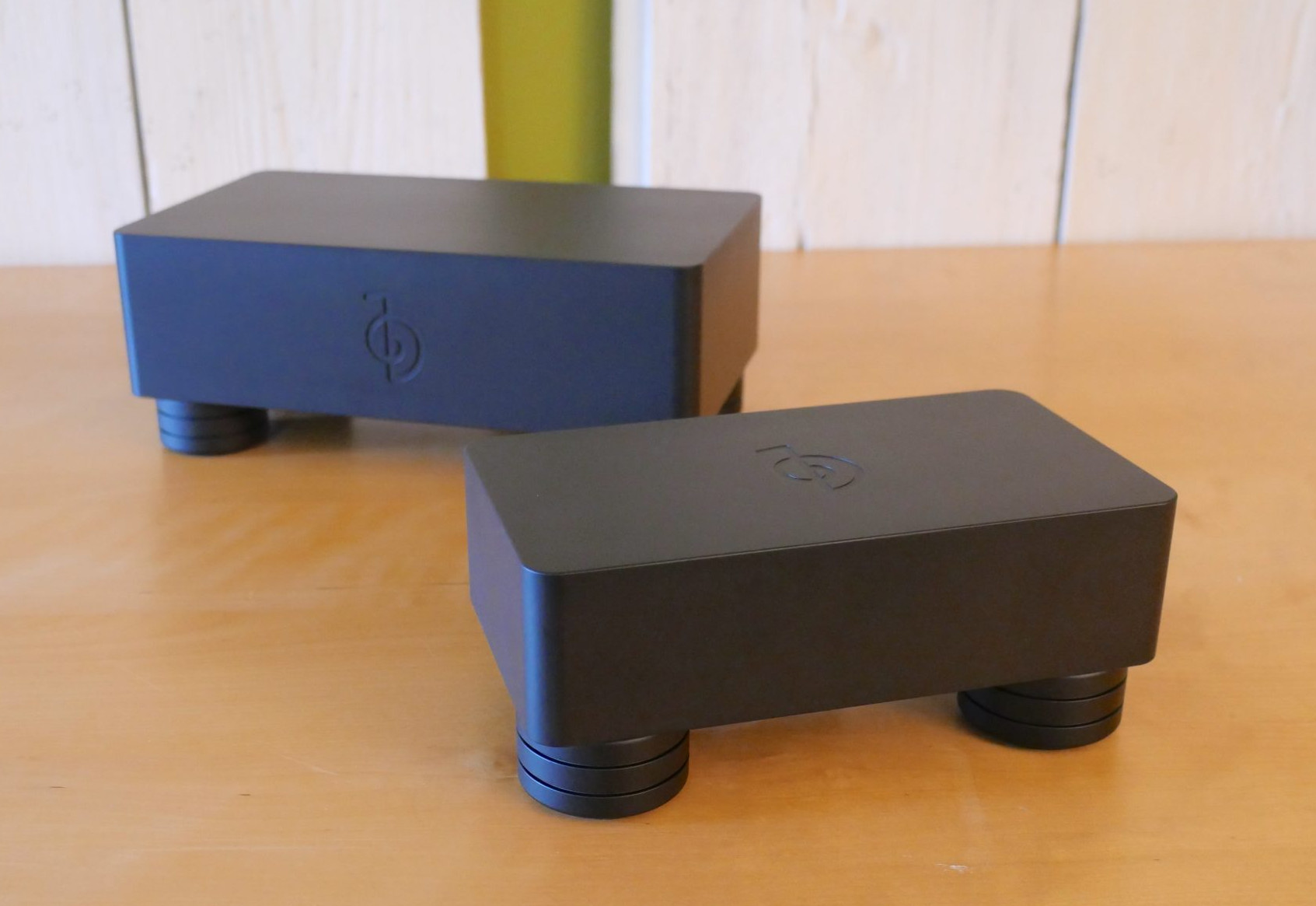
Reiki Audio’s determinedly minimalist SuperSwitch, Optical Bridge and associated power supply options have quickly established themselves as go-to choices for those listeners seeking to maximise the musical qualities of file replay, either from locally stored material or streaming services.
A simple concept…
By the simple expedient of encasing the circuitry in copper-lined, machined from solid, 5mm aluminium casework and eliminating any superfluous apertures, ports or status LEDs (themselves a source of noise) Reiki massively reduces the susceptibility of the streamed signal to spurious noise, induced or self-generated. Combined with the Company’s network cables, with their non-continuous shields, terminated at one only (as per analog interconnects) in order to prevent the onward transmission of noise from elsewhere in the network, a Reiki network ecosystem can make a major contribution to the quality of file replay, especially in the more critical environment of a genuinely high-end digital system. However, in truth, the SuperSwitch should more properly be considered a network relay, its one-in/one-out connectivity precluding switching between multiple components or inputs, a limiting factor in certain situations. That’s entirely in line with its proposed application as a ‘noise-block’ at the input of your DAC. But, where a system requires separate feeds for streaming/internet connectivity and a server, it was necessary to include a secondary, multi-port switch, adding complication and an additional noise-source to the network.
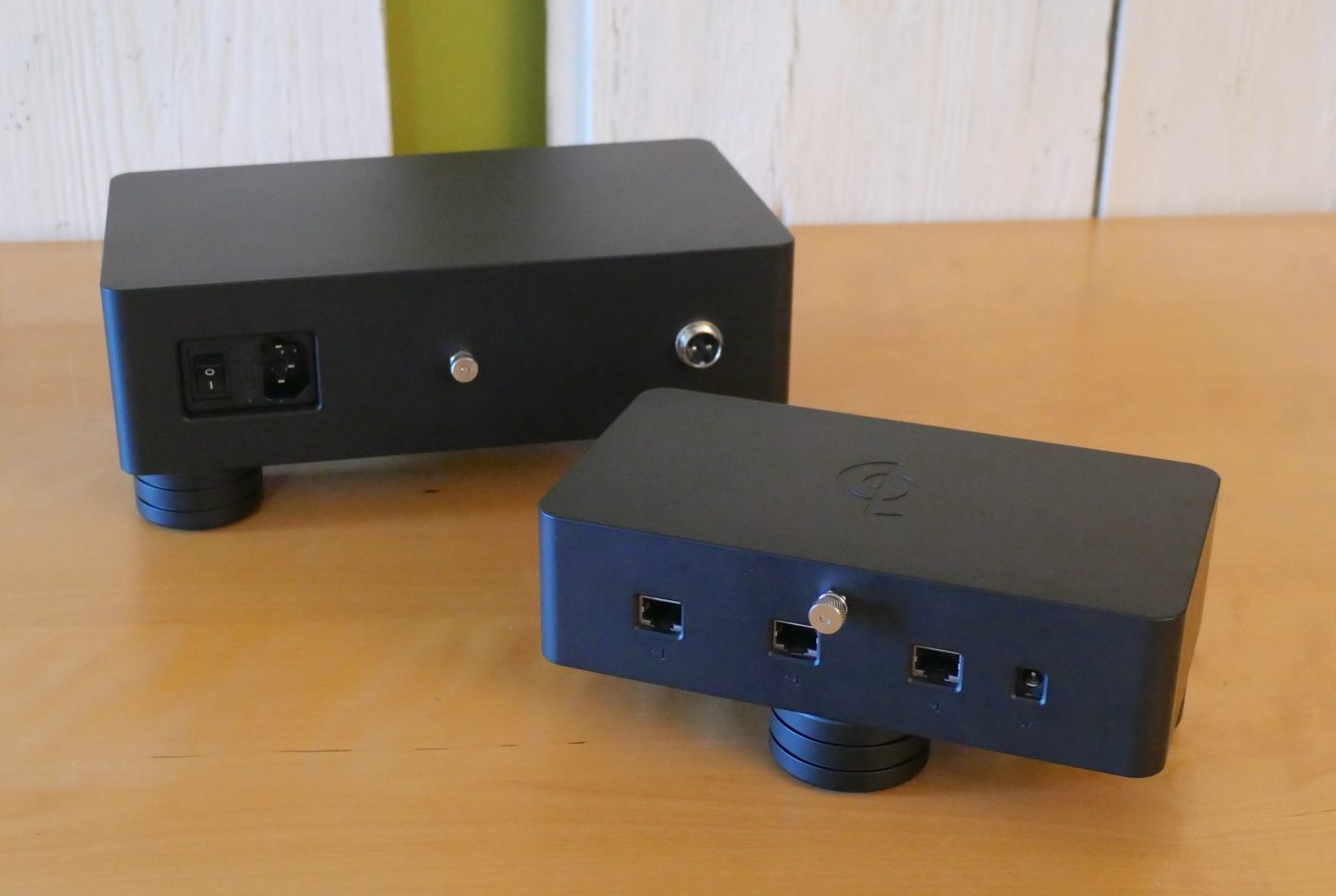
Recently, we have noted two developments in the Reiki product line. The first is the arrival of the X Series product. Nothing whatsoever to do with Elon Musk, the X in this instance refers to thicker casework, beefing up the already substantial 5mm walls to a full centimetre/10mm – hence X. It’s not the only change, just the most obvious. Internally, damping compound has been added to the circuit boards and the Pro X PSU gets a higher-grade transformer that’s also 25% larger. The spacing between the power socket and input port – which used to be uncomfortably close together – has also been increased.
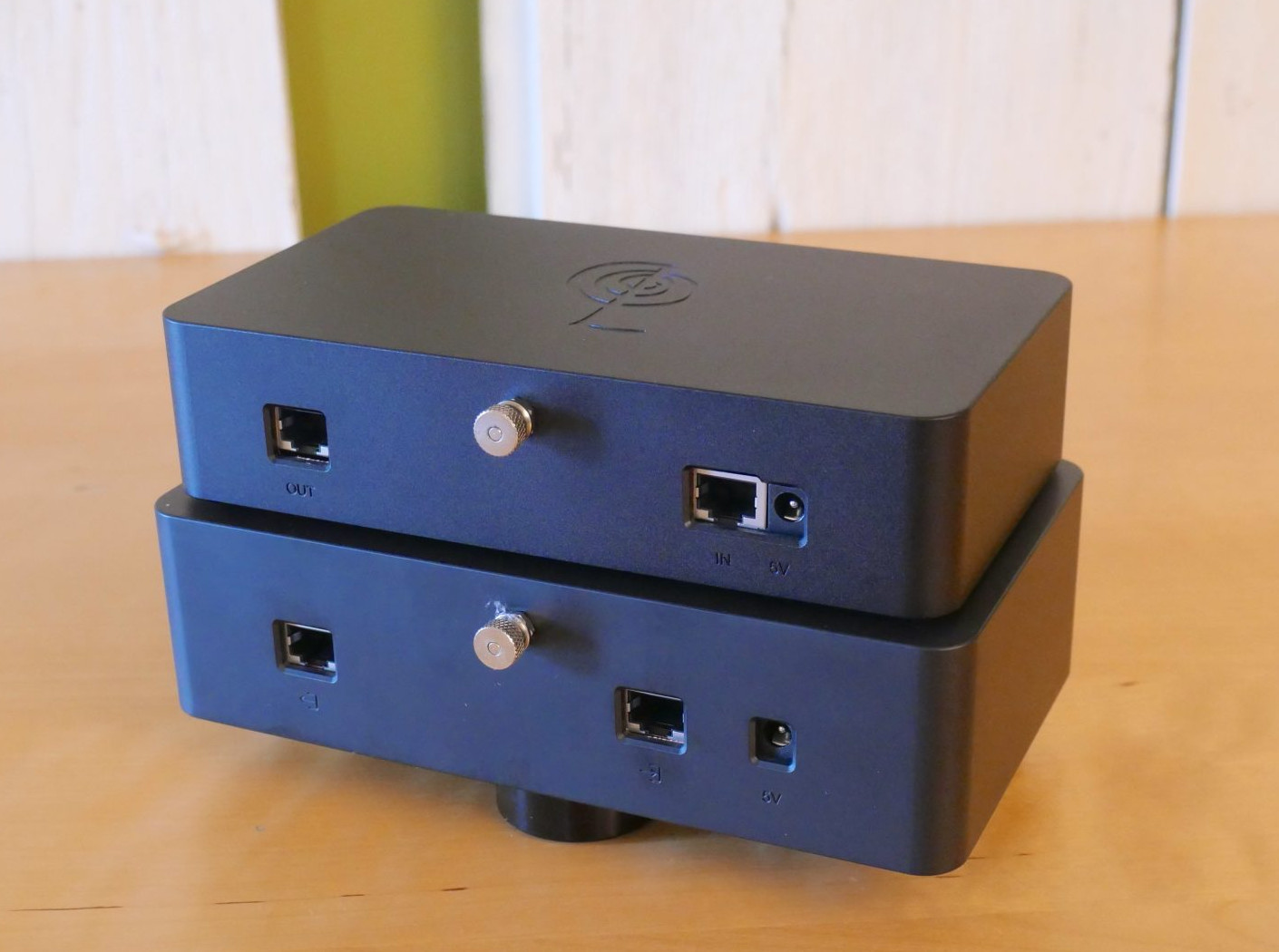
The second development is the addition of an optional third port to the SuperSwitch (standard or X Series). Although this raises the price slightly, don’t go assuming it’s the superior product. The option has been added for those systems that demand the extra input, Reiki accepting that adding an extra port to the SuperSwitch is a lesser compromise than adding a multi-port switch to the network. Whilst it doubtless runs contrary to the purist/minimalist grain, it also reduces box count and allows for a more elegant set-up.
Simpler pricing…
The stock SuperSwitch and Pro PSU remain in the range (£1,650 and £1,950 respectively, £3,250 if bought as a pair) while the X Series add beef to both the boxes and the price, although the pricing structure and options available are considerably simpler. The SuperSwitch X and Pro X PSU are only available as a pair, priced at £4,250 for the two-port version with standard feet. Besides selecting voltage, you can add the third port (£300) and Stack Audio Auva isolation feet, three on the switch, four on the PSU (£350), the latter reflecting the often-underestimated impact of mechanical vibration on streaming performance. After the seemingly endless array of pairings, options and packages on the pricelist for the standard SuperSwitch, that’s a welcome breath of clarity and fresh air, reflecting the fact that of the original production batch, every single purchase was of a pair, with nobody ordering single units.