

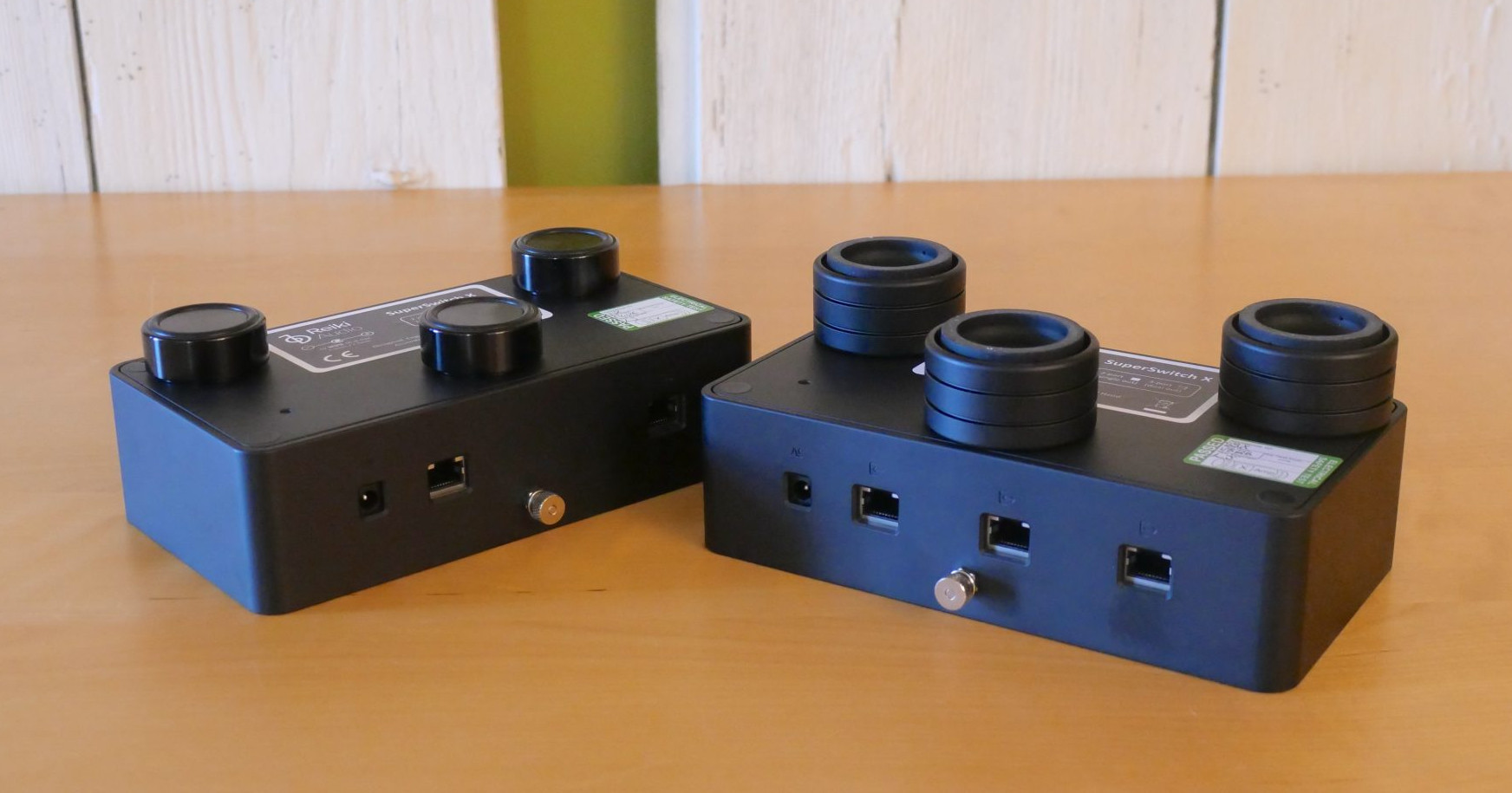
Having just installed the CH Precision D10/C10 transport and DAC, I had the perfect opportunity to assess the benefits of these changes to the Reiki components. The system was initially set up with the Roon Nucleus/Sean Jacobs linear PSU and a direct internet connection feeding the SOtM sNH-10G/sPS-500 PSU multi-port switch, fed from a standard SuperSwitch/Pro PSU located next to the router. I then ran a Reiki Audio RakuStream network cable to the standard, two-port Super Switch/Pro PSU and a JundoStream network cable to the Streaming-HD input on the C10. Chassis grounds were connected to a CAD GC3.
If you’ve got the original and X models side by side, you’ll notice the slightly larger dimensions and bigger feet on the X Series. But what you can’t miss is the increase in weight: the X Series are around twice as heavy as the originals. That’s 1978g (as opposed to 859g) for the SuperSwitch X and a massive 5092g (as opposed to 2758g) for the Pro X PSU. Yup, that’s a shade over 5kg or 11lbs for the power supply. It’s a lump!
Simply better…
First order of business was to compare the stock SuperSwitch Pro set-up to the X Series equivalent. One of the issues in making hard and fast statements about the relative performance of different network components is the degree to which they are environmental sensitive. What might be a substantial and financially worthwhile difference in one system situation might be less impressive in another, depending on just how ‘noisy’ an environment it is. Having said that, my location is remarkably free of overlapping networks and other sources of induced noise: check your phone’s network preferences and you’ll find the dedicated audio network – and that’s it. Even so the step up in performance offered by the X Series switch and PSU was compelling: more transparent, a quieter, blacker, less grainy background; increased focus, separation and crisper dynamics; improved timing, placement and spacing of notes with more articulate phrasing; more weight, body and richer tonal colours. That’s across-the-board sonic benefits and the musical impact ain’t exactly small…
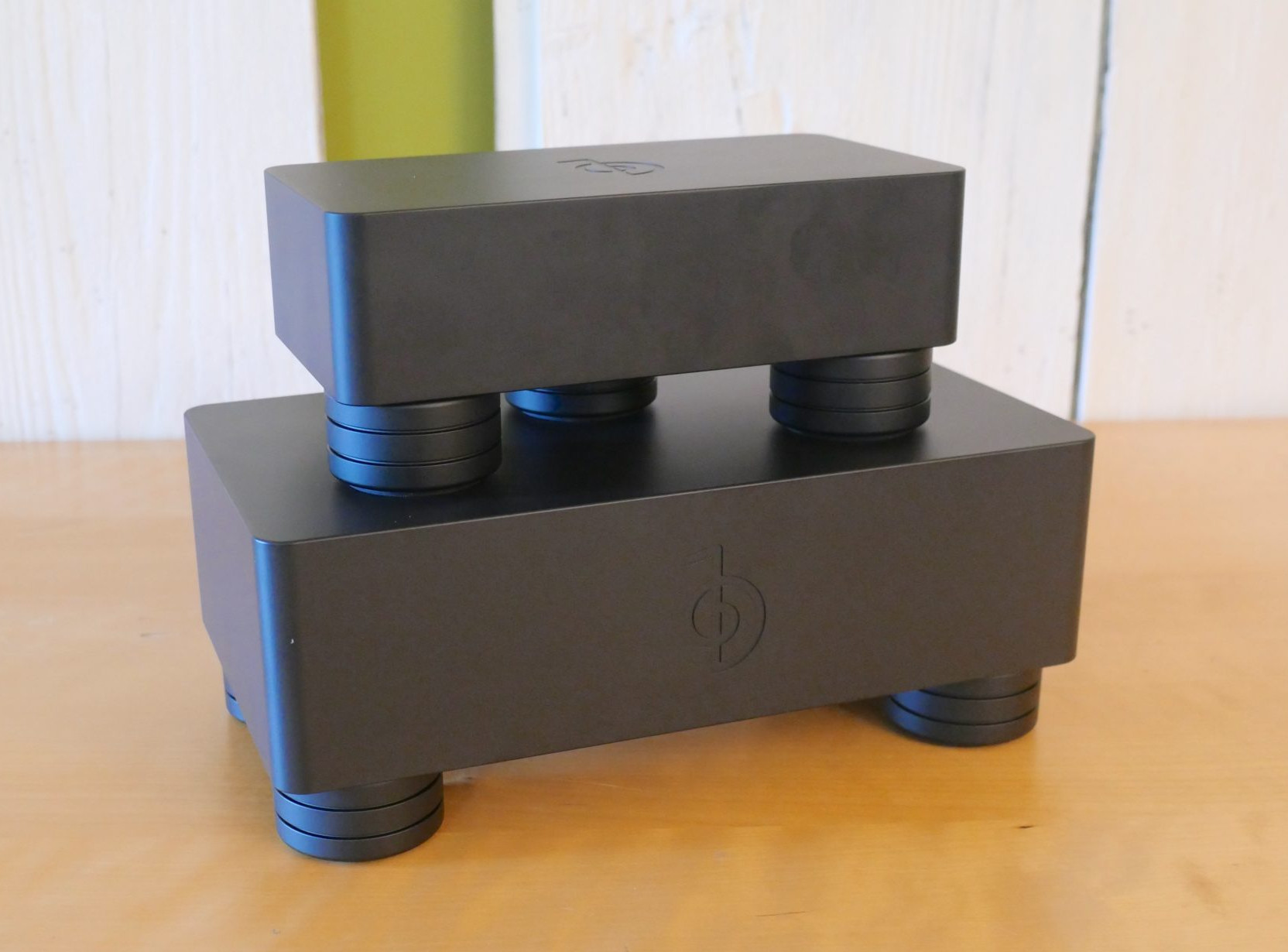
Playing a DSD64 locally stored file of the familiar Benedetti Michelangeli/Beethoven 1st Piano Concerto (with Giulini and the Vienna Symphony Orchestra) on the SuperSwitch X/Pro X PSU, the soundstage was wider and deeper, with better localisation and separation of instruments and a more developed acoustic. The timing and perfectly pitched levels created far greater tension, double basses ran deeper and with far more convincing texture. But it was the poise, fluid grace and delicate weighting of ABM’s playing that saw the greatest benefit. More articulate and purposeful, the precision with which he weighted and placed notes (and the spaces left between them) was far more explicit, carrying greater intensity and emotional range. It was simply more ABM – and anybody familiar with the pianist – and this recording in particular – will appreciate how significant that is. This is one of those “no going back” comparisons, doing to the standard SuperSwitch what that normally does to lesser network components.