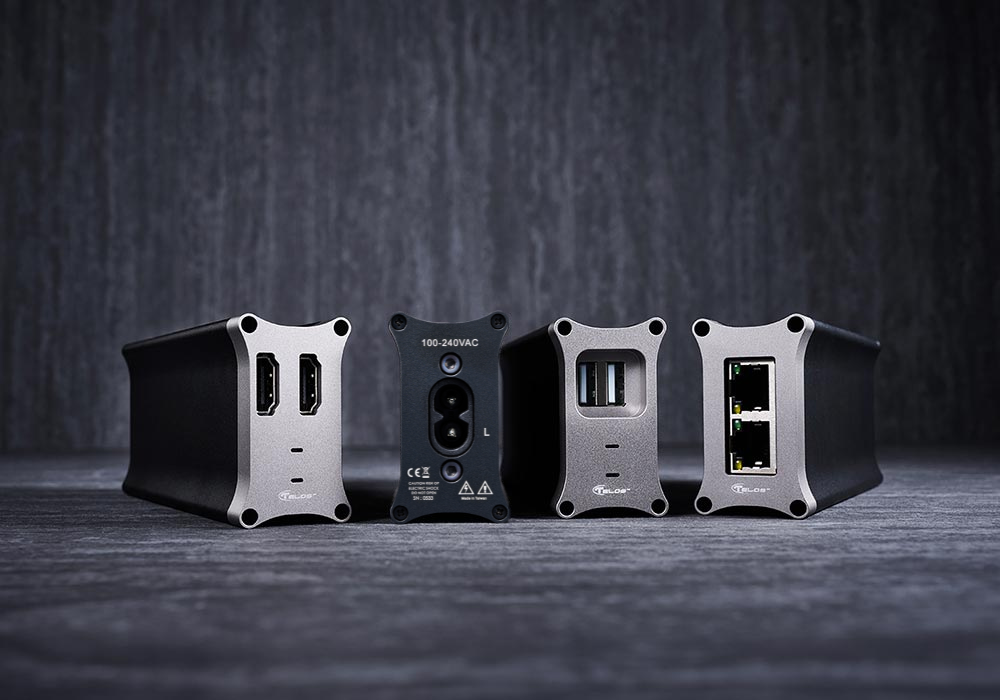
I ran the Macro G with systems built around both the CH Precision D1.5 and the Wadax Studio Player. In both cases the impact of adding the Telos unit to the network was as obvious as it was immediate. This was no, scratch your chin, squint a bit and run multiple A/Bs experience. The drop in intra-instrumental noise, the elimination of grain in the soundstage, the increased depth and definition were as immediate as they were obvious. The resulting increase in immediacy, instrumental colour, musical vitality and presence were equally impressive. In this case, the A/Bs were all about “Did I really just hear that?” The answer, demonstrably, was yes
A study in fluid dynamics?
Run a 16/44 file of Amandine Beyer and Gli Incogniti’s Vivaldi – Four Seasons et autres Concertos and the Macro G brings a significant increase in attack and instrumental body, weight, shape and purpose in the playing. The quieter acoustic space separates instruments more easily and creates greater depth. String tone is sweeter and more natural, despite the increased attack, agility and vitality in the performance. Shift up to the Benedetti Michelangeli/Giulini Beethoven Piano Concerto No.1 (from a locally stored DSD64 file) and you’ll hear exactly the same increase in space and definition, natural tonality and weight. But the bigger forces make the increased sense of flow, rhythmic coherence and orchestral pacing far more apparent. In fact, along with the increased depth and dimensionality, this fluid grace and phrasing are perhaps the Macro G’s hallmarks and the most important quality it brings to network replay. Pin it down and soon you can’t miss it. The opening drum pattern and layered keyboard fills that open The Cure’s ‘All Cats Are Grey’ are transformed. The drumbeats gain weight, focussed energy, location and spread, the keys increased colour and texture, but the whole simply flows better, with greater rhythmic authority and momentum. Anybody familiar with the track will appreciate just exactly how transformative that is. What is all too often leaden and turgid takes on a surging, irresistible forward motion, emphatically belying the band’s ‘doom-mongers’ label.
But perhaps the biggest impact was to Gillian Welch’s Woodland Studios. Used to the vinyl, the 24/192 stream was seriously disappointing – flat, disjointed, glary and tonally synthetic. But with the Macro G in the network, normal service was, if not resumed, then at least approached. Instrumental colours and dimensionality were restored, as was the space around and between the players. David Rawlings deft guitar work regained its poise and delicacy and Welch’s vocals lost their squawk and returned to normal. But the most significant change was the way the band came together and the quality of the performance and recording, so obvious on the record, finally emerged. If I’d only heard this album via streaming and without the Macro G, I’d not have given it a second listen – and that flags up a serious shortcoming in the network’s performance.