
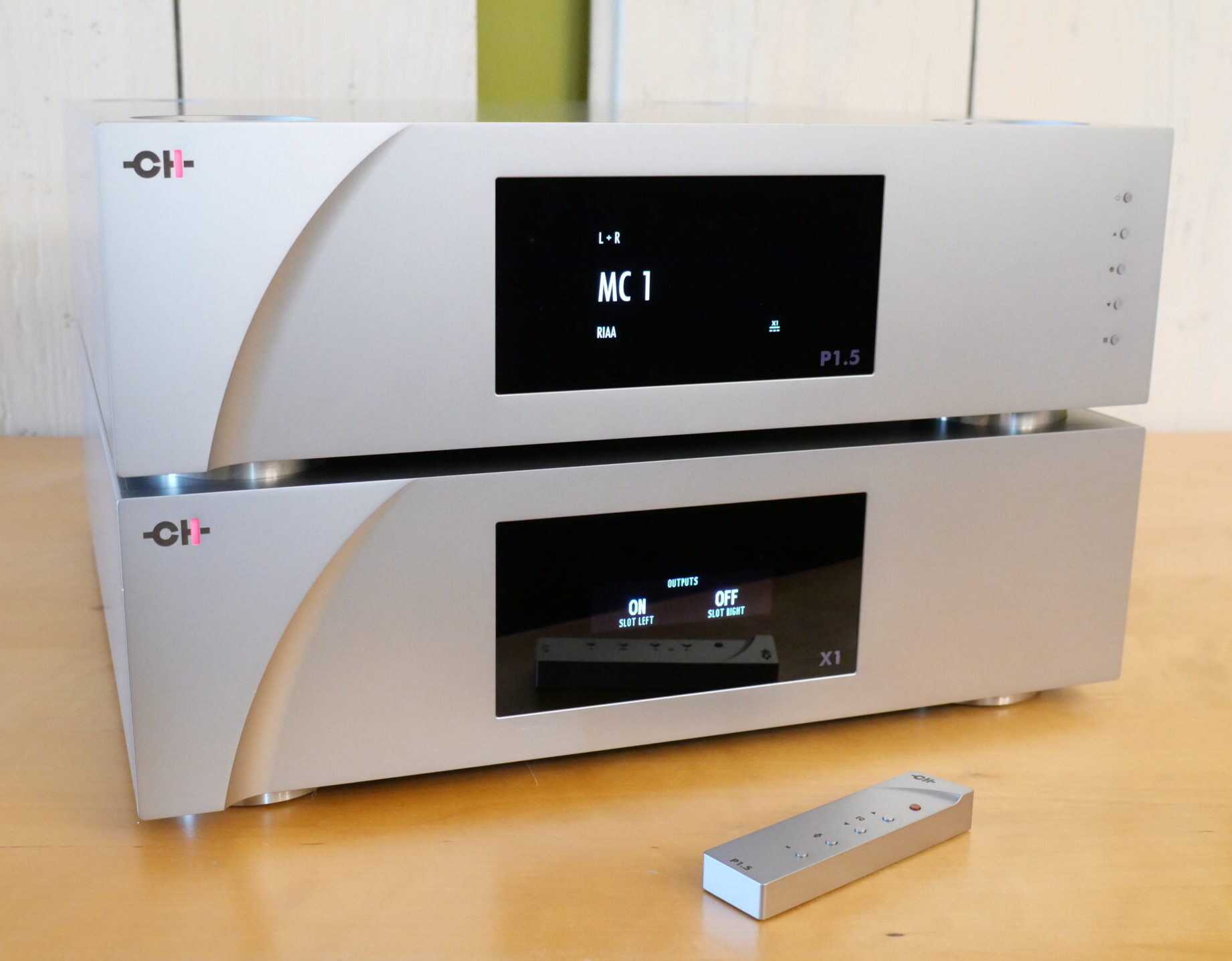
There are few albums in my collection that I’ve played as often as this one, yet the P1.5 brings it up with a freshness and immediacy, presence and snap that banish any sense of over-familiarity. There’s a nuance and detail, texture and space that seem entirely new. It’s not that I’m hearing things I’ve never heard before – I’ve played Seventeen Seconds on the P10, after all – but more like I’m closer to a better performance, hearing it far more clearly. In fact, “putting you closer to the performance” might well be the P1.5’s super-power. And just as easily as that, the P1 is consigned to history. As good as it is (and it hasn’t changed from the all-conquering unit it was a few weeks ago), it can’t compete with the added sonic and musical insight delivered by the P1.5; its transparency, resolution, macro and micro dynamics, focused power and immediacy, qualities that invest the recording with drama, life, presence and vitality. Musically, everything slots together more easily and more naturally. The P1.5 simply sounds more convincing and more like life.
The power to convince…
The sense of power, substance, dimensionality, colour and texture imbued by the P1.5 is even more apparent on classical music or jazz. Play Basie’s Chairman Of the Board (Roulette SRCP3008, a Decca-pressed UK release) and there’s a glorious presence and immediacy to the bright, stabbing blare and blatt of the horns, explosive dynamics and impressive impact. But there’s subtlety too, in their variegated texture and tone, in the propulsive, insistent momentum of the rhythm section, in Basie’s beautifully weighted interjections and accents. And as impressive as the P1.5 is at the fff end of the dynamic scale, where you really start to appreciate its grasp of time and amplitude is in the delightfully fluid and lucid smooch of the track ‘Segue in C’, with the constant, forward mobility of its walking bass line, deft piano lifts and beautifully shaped extended lines. The subtle rhythmic prompts and graduated weighting of notes, the initially muted brass, the slowly, inexorably building density as the track swells, all serve to demonstrate the P1.5’s effortless grasp of pace and the dynamic envelope. There’s a wonderful inevitability about its burgeoning presence and power that’s as natural as the track’s final, explosive finale. The quieter background delivers finer dynamic discrimination, the added headroom an un-burstable, un-gated quality to performances that audibly stretched the P1. There’s a confident tread to the P1.5’s rhythmic and dynamic presentation that instills a relaxed sense of trust in the listener, a belief that what it gives you is what is there, with no need to go looking for more.
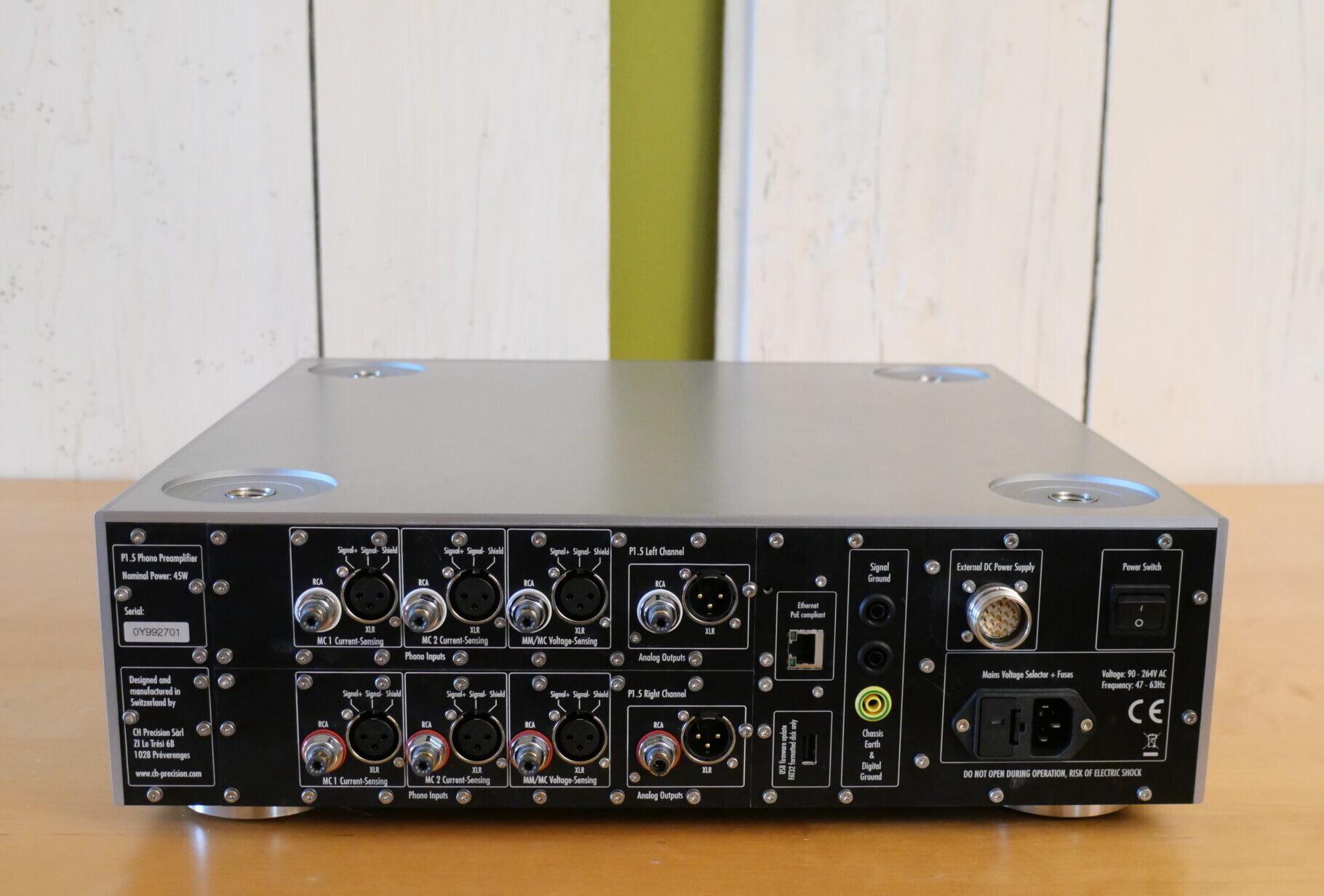
That subtlety, rhythmic and dynamic nuance is never more apparent than with vocals. Whether it’s Ella’s deliciously sinuous delivery of ‘That Old Feeling’ or Billie’s heart-wrenching ‘Strange Fruit’, the diction and vocal inflections are effortlessly clear, bringing a humanity and purposeful clarity to the singer and their song. The P1.5 switches moods and motivation just as easily, never limiting the expressive range, always letting the music, the performance – and the performer(s) – speak for itself. Ella or Billie? The debate is endless and ongoing, but the P1.5 will provide you with more ammunition than you probably thought possible, while suddenly, the Basie Big Band’s status as a dance act, their sheer motive power, is undeniably and insistently obvious.
