

With the system Stack-ed up, things were getting very interesting indeed. The EMI SACD release of Bowie’s Ziggy… (07243 521900 2 7) which had sounded seat of your pants exciting with the RevOpods, was calmer and more refined, with superb separation of the instruments, a coherent sense of time and space binding the band together and the focus and density adding the necessary vigor and drive. The guitars had bite and texture, the drums were solid and Bowie’s vocals were at once present and intimate, full of subtle inflexions and accents. Ultimately, it makes much more of the songs, their recording and production, bringing an expressive and musical depth which escapes the RevOpods – at least in this context.
“Stack ’em high…”
Does that make the Auva EQs better than the RevOpods? Possibly, but the results will always be system and context dependent. What’s for sure is that they offer a viable alternative to the established Arya Audio product – and they do it at a fraction of the price. The price? Ahh, yes, the price… I’ve refrained from discussing cost to this point because I wanted you to take the Auva EQs’ performance seriously. That’s not hard to do, because not only do they look great and feel great, they’re beautifully presented, nestled in high-density foam cut-outs, inside a smart, magnetically latched box. They look every inch the high-priced audio accessory.
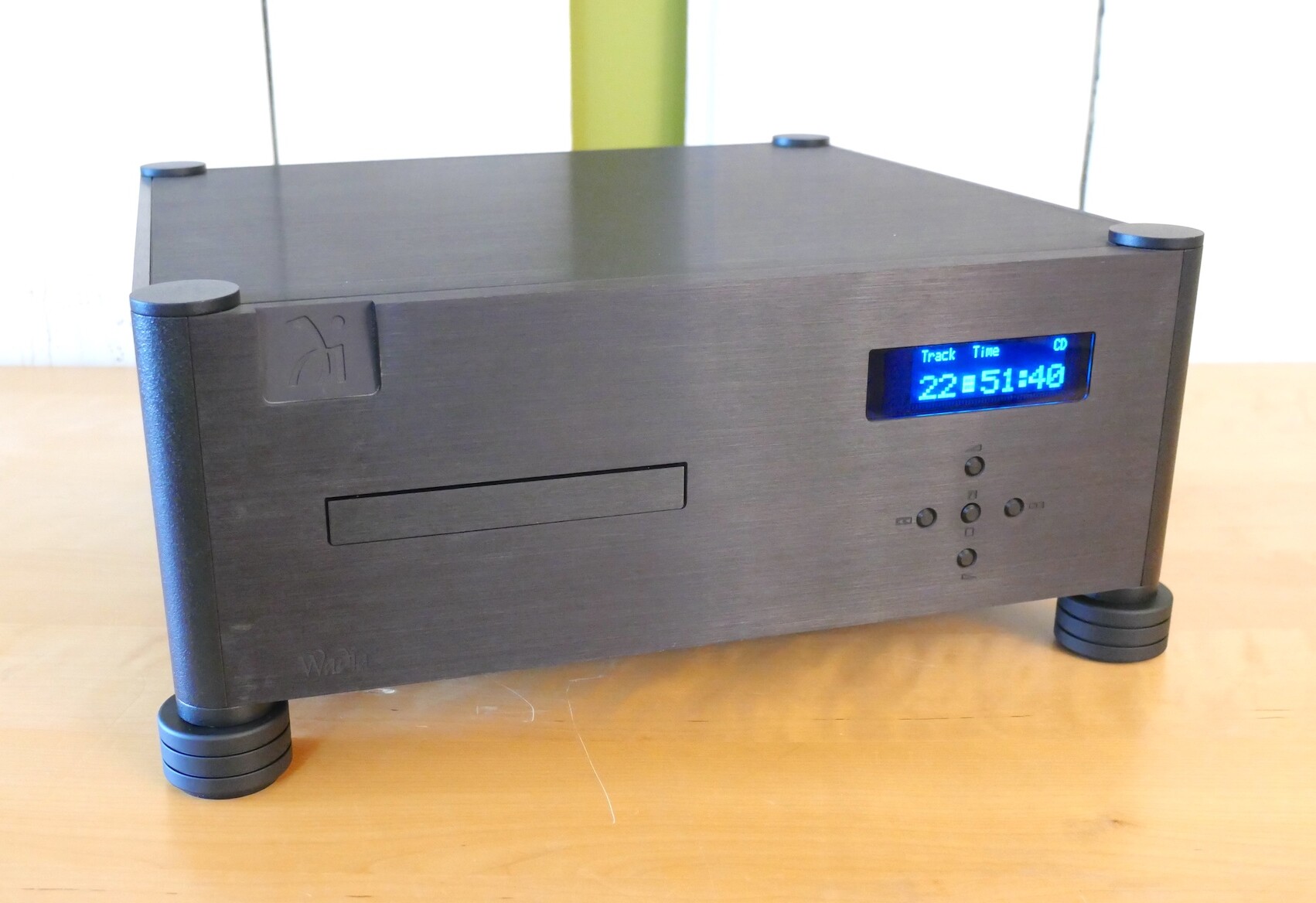
But in a world where we so often equate high-price with high performance, the real beauty of the Auva EQ is not just how clever and effective it is, but how little it costs. At fifty of your Earth pounds each (including planetary sales tax) there’s definitely something other-worldly about their cost/benefit ratio. For reference, that makes them a little over one fifth of the price of the RevOpods. The Auva 50 hard coupled speaker feet cost very slightly more (and match the appearance of the EQs). Together, they constitute a comprehensive equipment support solution, ideal for upgrading the performance of basic racks, or, if you apply the Auva EQ more widely, overcoming the limitations of non-audio specific support situations (book cases, sideboards, AV tables and the like).
More refined, more organised and with a more natural sense of separation and perspective, the Auva EQs deliver a more stable, sophisticated and relaxed performance than the more excitable RevOpods. How that pans out in a real world system context will depend on exactly that – context. But it’s this confident temporal security that makes the Auva EQs so listenable and engaging, so appropriate to the support of digital components. Yes, they’ll work under amplifiers, but the straight Auva 50 or the Acouplex cones (themselves cleverer than they look) can do a better job here. By sorting out the time domain, the Auva EQs attacks digital’s greatest weakness and score big as a result. They bring the same sense of space between instruments and space between notes whether you place them under a switch or a player, a transport, a DAC or a digitally equipped amplifier.