

The differences are, if anything, even more musically apparent on the closing ‘Los Endos’. The instrumental track takes complexity, dynamic contrast and shifts in musical density to another level. Collins’ avalanche of galloping drums is beautifully defined, as are the multiple textures that build into the stacked crescendos. There’s a binding sense of switching pace, hesitations but building musical momentum. The deep bass chords that propel the pauses and quieter passages back into motion have a new sense of depth, weight, shape and pitch. The heavily figured bass guitar lines emerge, just as the musical theme of the opening track revisits, along with (the now intelligible) echoes of earlier lyrics. It’s a track that highlights the C10/5’s ability to not just meaningfully resolve detail but concentrate musical energy, making sense of the picture as a whole.
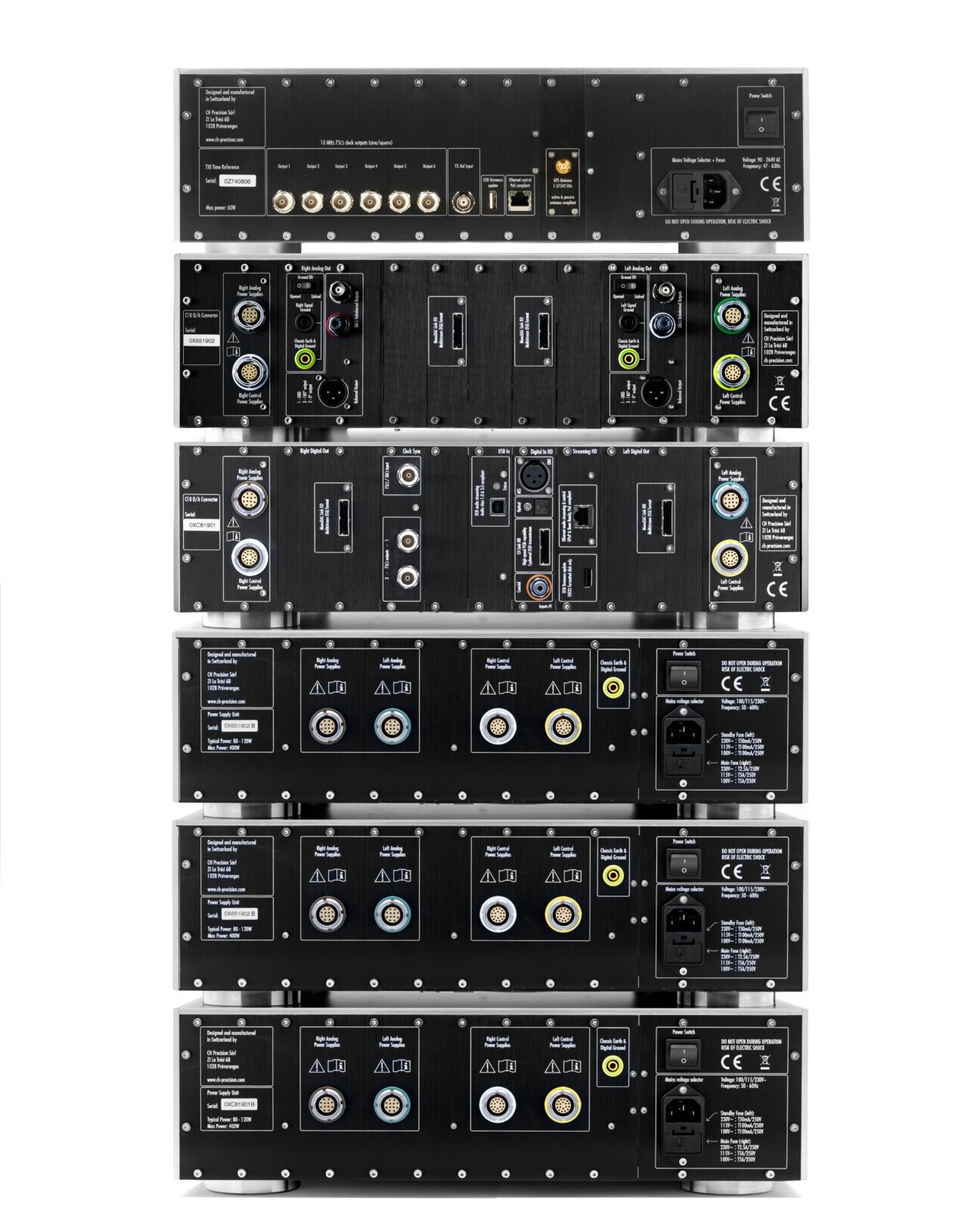
The C10/2 does a better job than any other digital front-end I’ve used when it comes to digging into and sorting out this album, but the C10/5 is just in a different musical and communicative league. It was the arrival of the C10/2 along with the D10 and T10 that led me back to the music of my misspent youth, but it was the step up to the C10/5 that has released its full, utterly indulgent potential.
What transforms the experience of pompous, overblown rock is actually just as musically important to small scale acoustic recordings – even if the what and the why is less immediately obvious. ‘Last Seen October 9th’ (Eleanor McEvoy – Yola – Mosco EMSACD1) is perhaps the perfect example. As impressively clear as it is on the C10/2, the C10/5 is simply more present, more natural and far more convincing. The piano is more focussed, more substantial and harmonically, far more complex. The way Brian Connor weights and spaces his notes is far more apparent, the poignant melody and the pellucid tone far more affective. The vocal is natural enough to sound ‘there’, with all of that familiar diction, body and emphasis. Eleanor’s distinctive accent tinges the pronunciation, adding another layer of communication, moving you one step closer to suspending disbelief. There’s no hesitation in the playing or singing, just fluid, expressive grace. It’s partly the focussed, ordered musical energy, partly the astonishing micro-dynamic resolution and uninhibited dynamic response. Each vocal lift, each subtle prompt on the piano is captured without hesitation or compression. There are plenty of digital systems that can take a stab at matching the detail levels and resolution of the eight-box CH set-up. None get close to instilling the sense of natural order and musical proportion that the CH achieves. It’s living, breathing, musical proof that it’s not the amount of information you have, it’s what you do with it that matters. In many respects, it’s a classic, high-resolution, digital front-end, but it’s more than that too, with its sense of pattern, organisation and temporal security injecting life and presence into the recording, a sense of humanity, a sense of purpose and a sense of performance.