

D10 CD/SACD Transport (2-box): $105,000 US / €100,000
C10 Stereo Reference DAC (2-box): $105,000 / €100,000*
T10 Time Reference 10MHz Master Clock: (1-box): $27,500 / €26.500
C10 Stereo Statement DAC (4-box): $187,500 / €179,000 *
C10 Mono Statement DAC (5-box): $227,000 / €217,000 *
C10 Reference to Statement upgrade: $82,500 / €79,000
C10 PSU for Stereo to Mono: $39,500 / €38,000
*All DAC prices plus any additional input cards
Tot that lot up, and it comes to $237,500 / €226.500 for the five-box D10/C10/T10 and 359,500 / €343.500 for the full eight-box flagship.
Note that all US Dollar pricing is exclusive of sales tax, while the Euro pricing includes VAT at 20%.
Comparing C10/2 to C10/5…
In many ways the logical route to tread with the C10 DAC is CH’s recommended upgrade path – from two-box to three (C10/2 + T10), five and then six-box set-ups. Indeed , I’ve already covered the two-box to three-box step, the addition of the T10 Time Reference 10MHz clock https://gy8.eu/review/the-ch-precision-d10-cd-sacd-transport-c10-reference-dac-and-t10-time-reference/
But at this point I’m going to skip ahead and discuss the differences between the two-box DAC and the expanded five-box version, establishing the scale of the performance benefits and just what those benefits are, before assessing the interim step(s) to see whence they are derived.
Like the 1 Series digital chain, there is a performance plateau roughly half way up the box count. In that case it combines the D1.5, C1.2, X1 dual output PSU and T1 clock in a four-box rig. After that, the C1 Mono makes most sense (in sonic and musical terms) if it is combined with a full set of three X1s – a single, multi-box stride in complexity and cost. In the case of the 10 Series, it is once again the simple(?) transport/DAC/clock combination that constitutes Base Camp on this particular Himalayan ascent. That’s a five-box combination that can easily be mirrored in the 1 Series rig by adding an extra X1, once again underlining just how closely the 10 Series follows the 1 Series route map, despite labels and appearances.
But before going any further, let me just point out another potential source of confusion. While it’s perfectly correct to refer to the D10/C10/T10 combination as a five-box system, the top-of-the-line DAC, with the Conductor and extra PSU is also a five-box set-up, albeit consisting of the DAC (and streaming input) only. For clarity, if I refer to the five-box digital system, that’s the D10/C10 and T10. The flagship DAC will be referred to as the C10/5 or the five-box DAC.
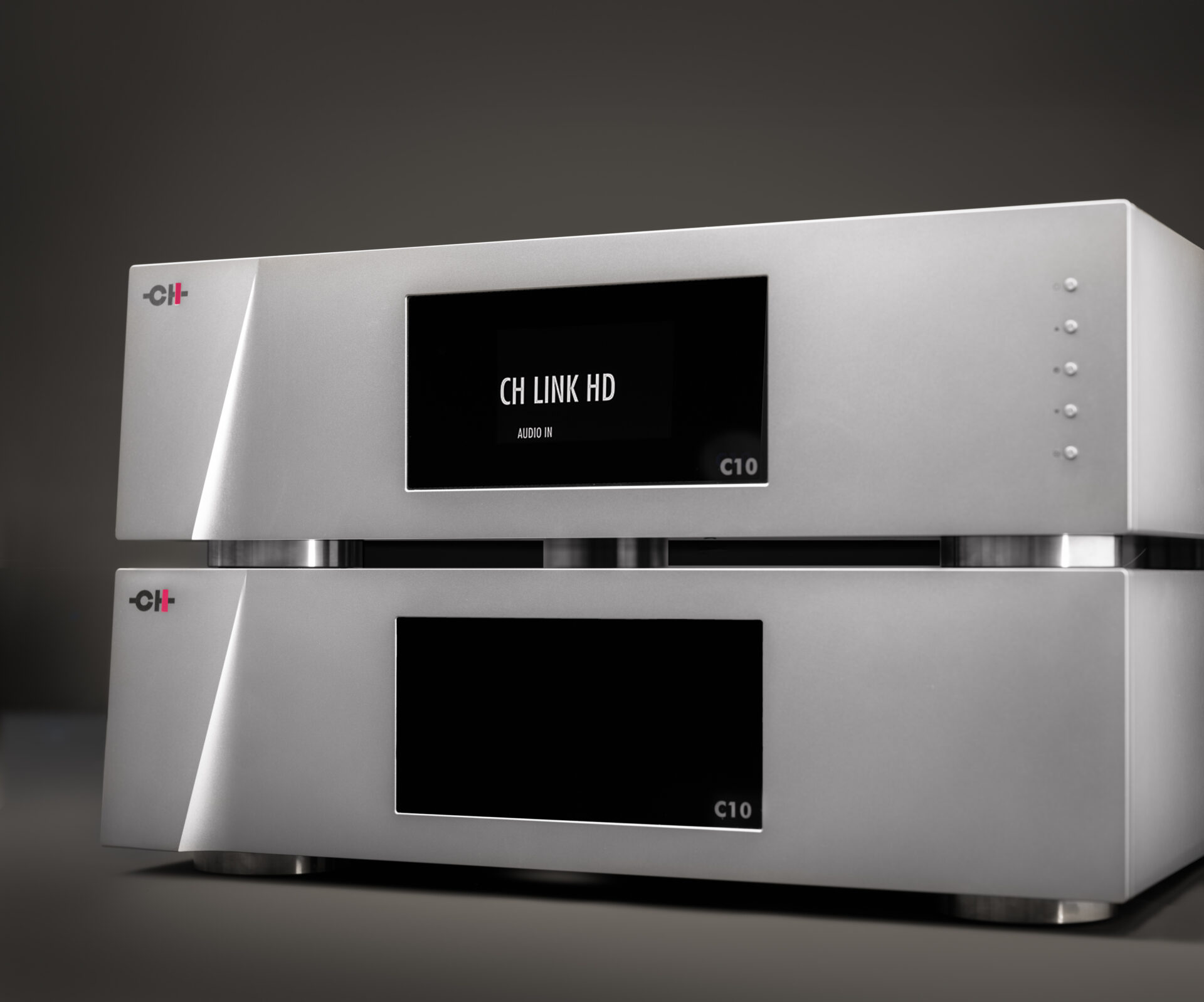
As already reported, the five-box 10 series digital system excels when it comes to dynamic range and leading-edge precision, dynamic discrimination and instrumental separation. Its ability to maintain pattern and proportion combined with the company’s trademark, unforced clarity allows it to bring purpose to and make sense of otherwise congested or muddled recordings and productions. Step away from a reviewer’s playlist and back into the real world of listeners enjoying a wide and varied music collection and that translates to wider musical access – more music from more artists. While those attributes certainly apply to classical music, there’s no doubt that jazz and, in particular, rock and pop recordings give them more room to work. If you want rhythmic security, confidence and real authority when it comes to intra-instrumental timing and dynamic contrasts, then the C10/D10/T10 really delivers. Of course, all of those qualities apply to acoustic and classical music too – it’s just that most such recordings do less to submerge or muddle them in the first place, making the benefits less immediately obvious. The five-box CH digital front-end, including the transport and clock paired with the two-box DAC, can’t (or shouldn’t) be characterised as a rock/pop performer, as opposed to classical. It’s just that it’s fundamental strengths are often more apparent, more readily appreciated with music from this genre. Once heard, those attributes are easily recognised, whatever you play.