
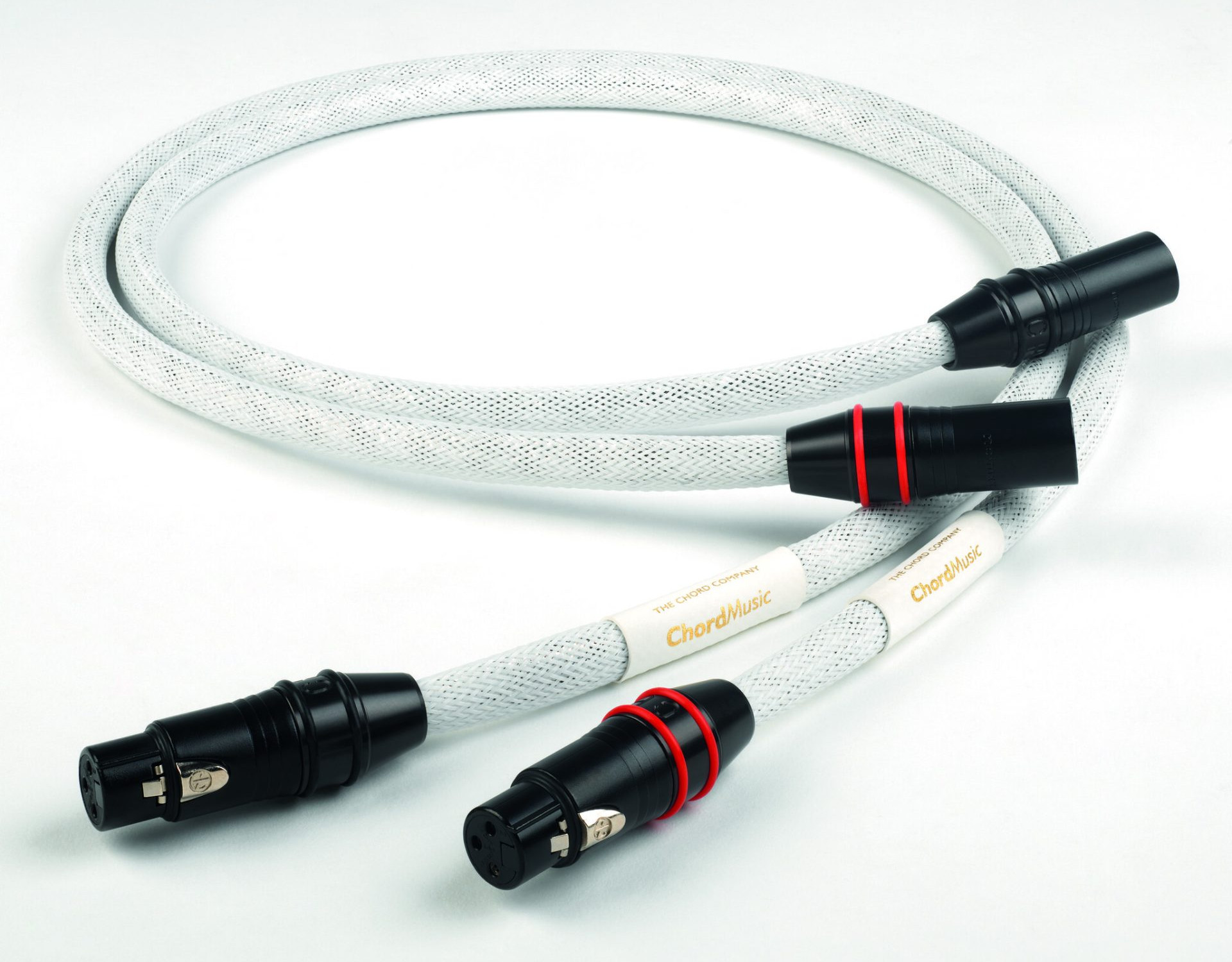
How does that manifest itself in the case of real recordings? The Mariner/ASMF recording of Vivaldi’s Four Seasons (with Alan Loveday on Argo, ZRG 654) has always been an excellent performance marred by its sharp, peaky string tone, an aberration that even using the Decca curve fails to cure completely. But played through the ChordMusic cables, the tonality falls back into place, as do the members of the band. There’s still a hint of shrillness, but it’s more than made up for by the new sense of rhythmic vitality, the incisive playing of The Academy and the new, naturally weighted bottom end, that brings shape to the phrasing, added body and presence to the strings and, especially, the harpsichord, which loses its intrusive rattly quality and gains poise, precision and purpose. This will never be the best sounding Four Seasons, but the ChordMusic cables allow you to really enjoy what is an excellent performance. The disc itself, bought second-hand at Oxfam for pence, has always suffered a persistent rustle and the odd click or pop, but those blemishes passed all but unnoticed, something of a restorative tour de force!
But what I really love about these cables – and what makes them a front-rank contender, despite their (relatively) modest price – is their innate rhythmic grasp and articulation. Play Womack & Womack’s excellent and hugely underrated Conscience (Island 209139 – an inexpensive gem that should be in every collection, if only to cheer up a rainy Sunday morning) and the joyous, funky grooves are positively infectious. Play the track ‘Teardrops’ through a cable like the Nordost Valhalla 2 and it has a driven, insistent urgency to it. Switch to the Chord cables and it steps back and eases down into a funkier, more reflective mood. The lyrics take on greater body, presence and immediacy, the lead vocal and the voices of the two backing singers effortlessly separated, both tonally and in space. The clarity, snap and propulsive quality of the tactile bass have all the relaxed, sure-footed temporal security that’s always been a Chris Blackwell/Compass Point hallmark. The whole presentation revolves around the sheer chemistry in the band and performance. But switch up to ‘Celebrate The World’ with it’s more insistent, upbeat tempo and message and that’s exactly what you get. It’s like the Chord’s sense of balance and natural weight simply fall into step with the music’s demands – whatever the music.
Committed yet agnostic…
The sporadic, almost disjointed opening to ‘Vlatava’ (Bychkov and the Czech Philharmonic’s recent Pentatone recording of Má Vlast, PTC 5187 203) takes on a fluid continuity and enthusiasm, perfectly capturing the random yet contiguous nature of a babbling brook, progressively maturing into the steadier, more powerful flow of the growing river. The placement and contrast, but more importantly, the interplay between the two pianos on Babayan and Trifonov’s performance of Symphonic Dances (Rachmaninoff For Two, DGG UHQ-MQA CD UCCG-45090/1) gains that same connected, lucid musicality. The explosive dynamics become musical rather than sonic statements, the two distinct and different instruments creating a single expressive whole.