

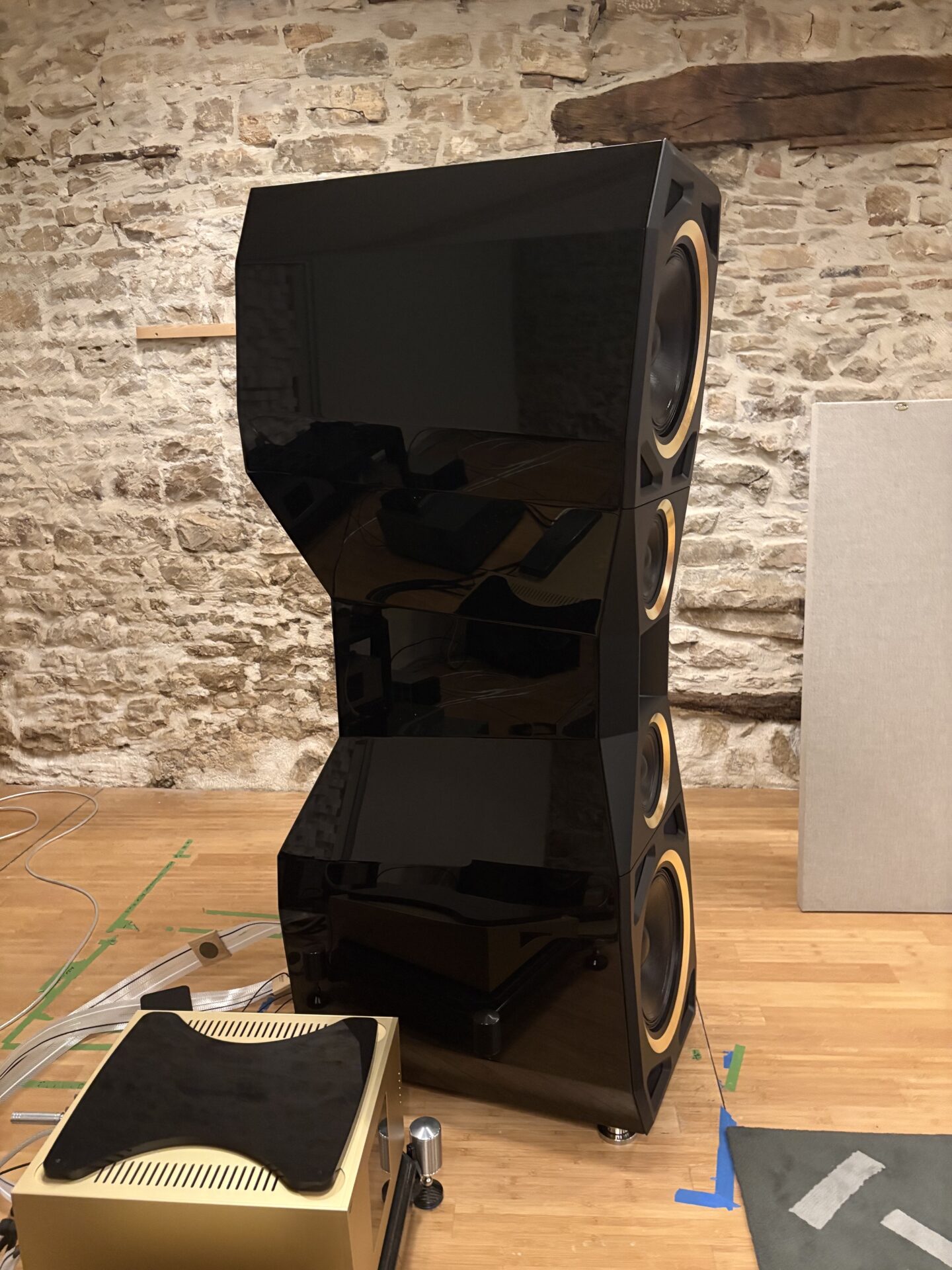
Increase the human complexity, if not the instrumental scale and the Monarque’s ability to capture the natural balance of instrumental forces, the placement, relative energy and most importantly of all, the human interaction and agency behind the performance comes to the fore. Play the Second Movement of Beethoven’s String Quartet No.7, Op.59 – Allegretto vivace e sempre scherzando (Chiaroscuro Quartet, BIS-2688) and the poised precision in the playing, the shifts in bow pressure and the dramatic shifts in level and musical density certainly live up to the billing, both the composer’s direction and the player’s appellation. The instrumental spread and identities is explicit, as is the rhythmic tension and controlled vigour in the playing. The relationship between the players, their instruments and the score as a whole is captured in every note, every phrase, every exchange. But what is never in doubt is the sheer concentration and focus required to create music of such effortless intensity as this. The complex exchange and echoing of phrases between all four players; the insistent intrusion of that repetitive, rhythmic figure; it’s subtle insinuation into the more languid phrases; the instilling of and ratcheting up of tension and drama. The Monarques allow the listener to sink into and dwell on those complex evolutions, the deft intimacy and subtlety in the playing and the relationships between the players. Once again, the speakers’ ability to project energy equally across their bandwidth is reflected in the inner proportions of the performance, the contrasting scale of the different instruments and the way their positions remain locked in place across those beautifully articulated and dramatic shifts in pitch and level.
Four-play…
Now compare that to the same piece played by Quatuor Ébène (Erato 0190295339814) with their greater urgency, lyricism and heightened dynamic contrasts. This is more muscular, more dynamic, more driven and far more dramatic. It lacks the almost dance-like intricacy of the Chiaroscuro, preferring a more athletically impressive and powerful presentation. At the end of the day, you pay your money, make your choice and take the ticket you prefer – or indeed, both. Perhaps it depends on your mood or even the day of the week. But one thing’s for sure, both quartets are at the top of their game, albeit at opposite ends of the interpretive spectrum. It’s something that the Monarques make only too clear, capturing both the quality of the performances and their distinctly different intents. The breadth of that expressive range indicates just how freely the music, the recording and the performers are allowed to speak.
Step up again in scale to Barbirolli and the Sinfonia of London (English String Music EMI ASD 521) and that sweeping emotional range is immediately apparent in this most emotive combination of programme and performance. Elgar’s Introduction and Allegro for Strings mirrors the dramatic contrasts and changes in density so apparent with the Ébène, but with greater scale and range. The RVW Tallis Fantasia has all the intimate tension and delicacy of the Chiaroscuro before building to the sheer intensity, the ecstasy of its climax. And despite the increased scale, the transparency of the extensive soundstage is beautifully captured and maintained, instruments held stable in space, body and character. There’s no rush to the front of the stage when things get big and busy. The performers and performance stay put, utterly separate from those massive cabinets.