

This was a big step up in terms of musical communication, access and intelligibility. It offered both musical insight and balance, a clearly superior and far more engaging performance than that delivered by the C1.2. Which, given the price difference between the two units is just as it should be (although in reality, it so seldom is). The gulf in performance is a mark of the huge step-change in performance delivered by the C10, rather than the last rights for the C1.2. If in doubt, just compare the 1 Series DAC to its price peers, an exercise that should convince you just how big an advance the C10 represents, while it’s also worth remembering the modular/upgradable mantra that applies to all CH components: How long before we see the C10’s DNA embodied in an updated iteration of the (updatable) C1.2?
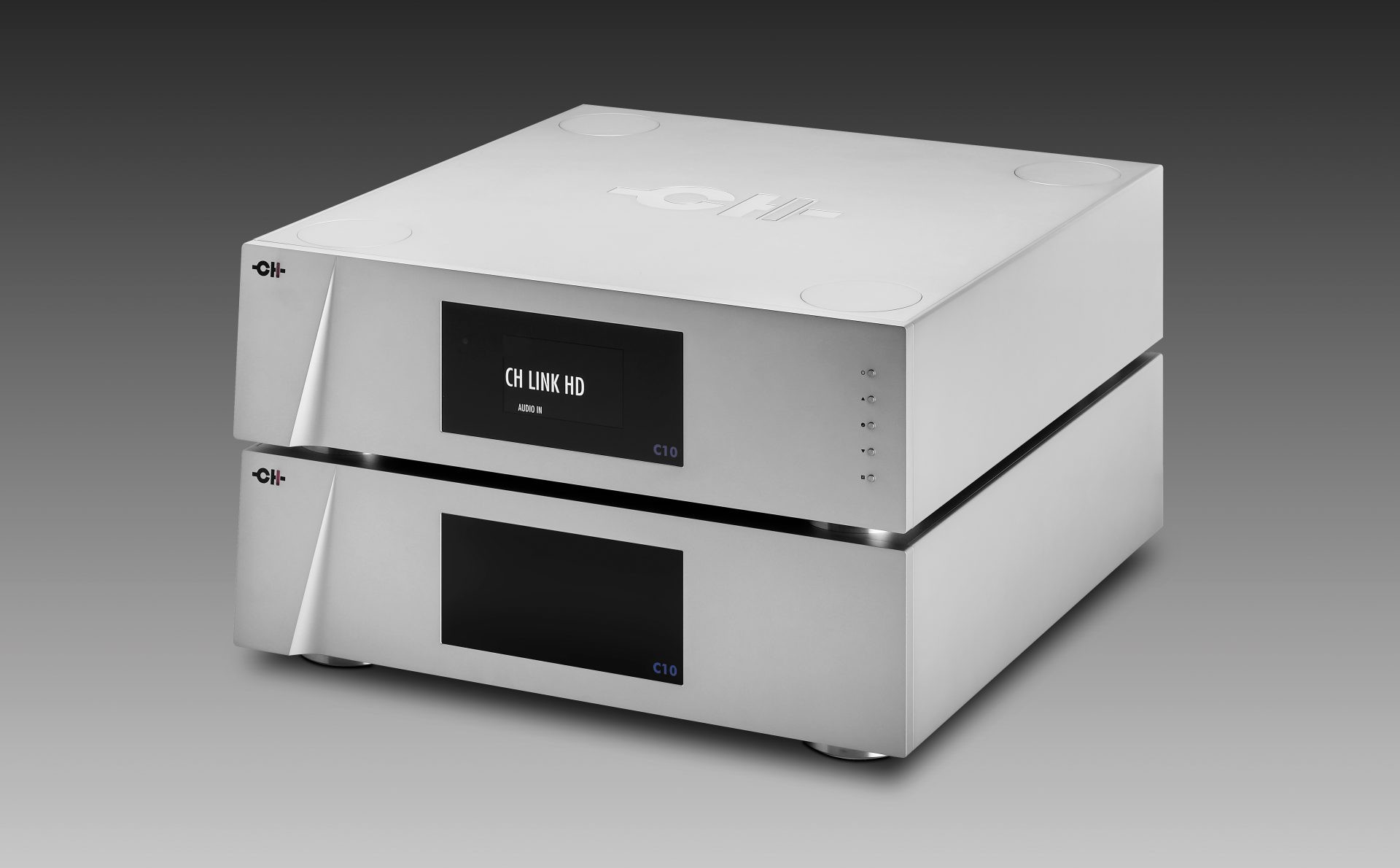
However, comparing the D1.5/C10 to the D10/C10, the result is just as emphatic. The D10 brings body, substance, dimensionality, resolution and immediacy. It brings an inclusive and beautifully developed acoustic that wraps around the listener. It brings articulation and precision, drive and energy to Gabetta’s lead and that purpose and enthusiasm is mirrored in the accompaniment. As a performance, it’s on a different level, fully justifying the price difference between the two transports. Make no mistake, the D10 is one of the very finest optical disc players available. Just how fine we’ll be discovering shortly, but irrespective of the wider market and any competition, it stands as a remarkable musical achievement, a powerful partner to the already highly-respected C10.
None of which undermines the validity of the D1.5/C10 pairing, as a stepping-stone or an end-game set-up. It offers a level of performance that eclipses all competition save the vastly more expensive D10 and Wadax Reference Transport. Like the D10, it uses the proprietary CH Link-HD to transfer native DSD to the DAC, a solution also being adopted by more than one high-end server, allowing it to leverage the full decoding capabilities of the C10. It’s even available in colours to match the 10 Series units. It’s a more than viable option. It’s no poor man’s D10, but it’s no slouch either. Instead, it’s a welcome option for C10 owners who want to maintain a genuinely high-quality CD/SACD replay capability without breaking the bank. It’s yet another example of the expandable/upgradable model that governs the CH product map: a map that keeps seamless, no compromise integration of the different components in the different product lines as a key priority.
A preliminary conclusion
In one sense, this is a bit like reaching Everest base camp: it’s an amazing achievement with one hell of a view – but the real goal lies ahead. On the other hand, the D10/C10/T10 really is just that – an amazing achievement. The expandable nature of the CH product line means that it’s always the top option (with the biggest number of boxes) that gets the attention – especially in this case and context. But ignoring the considerable musical charms of the five-box combination would be a mistake. It delivers superb levels of transparency and dynamic resolution, creating a large and immediate acoustic space around instruments and voices. But it’s what happens inside that space that makes this a step change in digital performance for CH Precision. Plenty of digital front-ends deliver welters of detail and an almost spot-lit soundscape. But detail in itself is of no value. It needs to be assembled and presented in a meaningful pattern to make musical sense. Where the D10/C10/T10 score is in their combined ability to create a musical event with clarity, spatial, dynamic and temporal coherence and, ultimately, intelligibility.