

In practice, this is as close to no contest as audio gets. The D1.5, C1.2, T1, X1 combination has built its reputation on its lucid, solid, stable musical presentation and sense of proportion. It scales performances beautifully, with a natural sense of balance that holds the music together into a single, credible whole. You don’t find instruments shooting out of the soundstage, or the soundstage collapsing into an ill-disciplined heap every time the going gets tough. The easy sense of ensemble and the way it reveals inner relationships within orchestras and bands makes the music intelligible and delivers a convincing feeling of performance. You don’t get to set standards without having a few tricks up your sleeve.
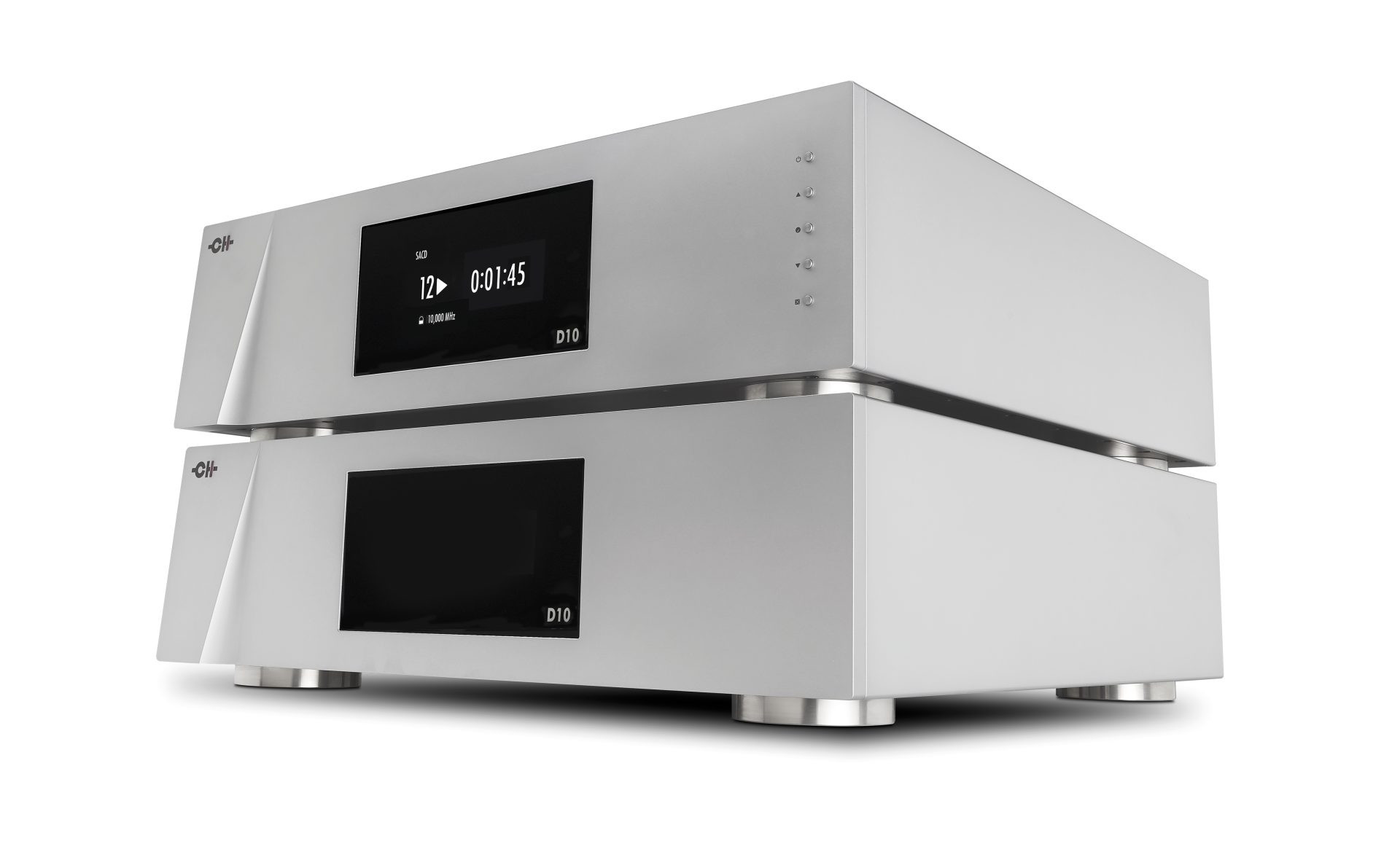
But switch to the 10 Series combination and the gulf in performance is immediately obvious – and perhaps best described through specific examples. Kurt Masur’s wonderful recording of the Shostakovich Symphonies 1 and 5 (with the LPO, the first release on their own label, SACD LPO 0001) illustrates the differences perfectly, whether it’s the haunting opening of the Fifth or the sporadic, fractured opening to the First…
The 1 Series components establish a broad, solid and nicely separated soundstage, that generates plenty of atmosphere and a nicely measured sense of musical and dynamic progression as the first theme develops. But switch to the 10 Series and the step up in performance is as immediately obvious as it is – literally – dramatic. Few symphonies open quite as dramatically as the Fifth, those call and response notes that bounce across the stage, before the music subsides into the deeply atmospheric, following passage and its evolution. But even before those first bass notes, the difference is palpable. You hear the mics come up, the acoustic open out, the full, familiar depth and height of the Festival Hall. The 10s generate not only more space and air, but that space is more continuous and all-encompassing, reaching forward. Those first notes are deeper and more powerful, closer, more present and their entrance much more dramatic. The orchestral presentation is more dimensional, even more solid, the height of the stage clearly defined, the music more immediate, the pauses and subtle rhythmic shifts that add so much expressive intent to the music more obviously effective. This is a live concert recording that showcases Masur’s intimate relationship with and control over the orchestra. If you ever want to understand the phrase, “You can really hear the conductor”, this disc on this system will definitely do that for you.
What makes the musical results delivered by the 10 Series digital components so impressive? It’s a combination of sonic qualities. The transparency and resolution is obvious. But the clue lies in the way the D10 and C10 capture the placement, tonal identity and energy spectrum of the individual instruments as the opening bars of the First Symphony skip, almost randomly, around the orchestra, the way the musical performance maintains coherence, overall shape and sense. Maintaining musical continuity and momentum with such a disparate score demands direction and playing of the highest standard, a great orchestra on a great day. Reproducing it through an audio system is just as demanding, which is one reason why this disc is an acid test of system and particularly speaker set-up.