

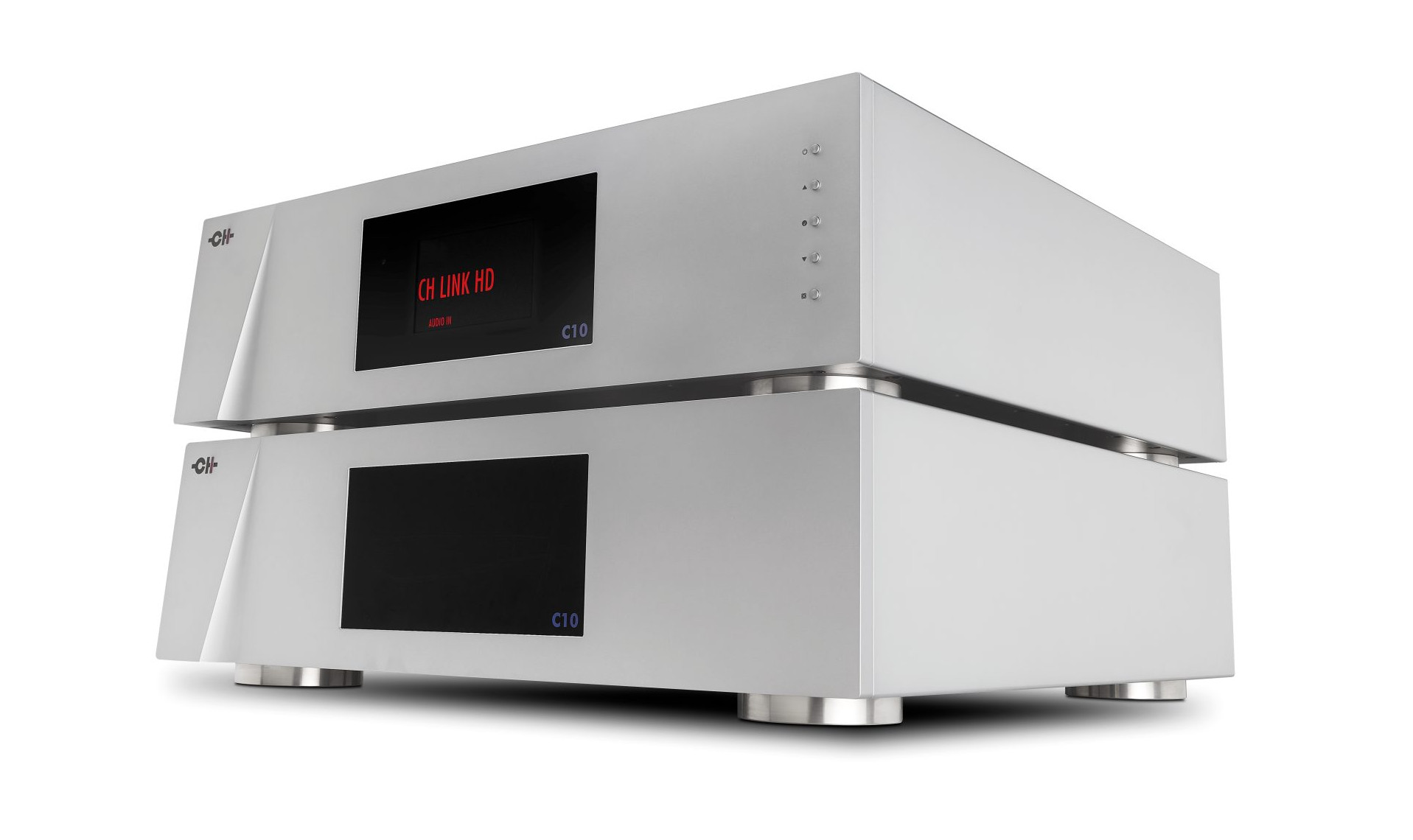
A C1.2 can be upgraded (as per CH’s expandable/extendable ethos) to become a C1.2 Mono. But, just to further confuse you, the C1.2 Mono employs a three-box topology, combining a single input/DSP chassis with a pair of separate, mono DACs, one for each channel. X1 power supplies can also be added to the head unit, both DACs or all three, creating the possibility of three, four, five or six box topologies! That might seem excessive, but I’ve been there, done it and, both musically and sonically it makes sense.
The C10 approaches the same process somewhat differently, at least outwardly. A two-box C10 Reference can be expanded to become a four-box C10 Statement, with a separate Input/DSP chassis, complete with its own, separate power supply. In this case the owner receives the extra chassis and power supply and the DAC boards are transplanted into the new box, with its plain front panel, devoid of control buttons and now referred to as the Master DAC. But the Input/DSP box also gets a new identity, now named The Conductor. Just to really confuse things, the display on the DAC will normally show the word Conductor in large text – which indicates what the DAC is connected to, not the name of the box itself. With me so far…?
Where things get (linguistically) complicated is when you get to go ‘dual-mono’ on the DACs. Already physically and galvanically isolated, rather than splitting the DAC boards into separate boxes, you just add a second power supply – thus creating a five-box Statement Mono DAC. Linguistically, the challenge is that you can take a two-box, C10 Reference DAC and either turn it into a three-box (Master DAC) by adding a power supply, or a four-box (Statement) by separating the DACs and DSP: hence the need for the separate Conductor, Master and Statement nomenclature.
The electrical and engineering logic might be impeccable – but a model of linguistic clarity or upgrade priorities it ain’t. I’ll be looking at the extra chassis options and the competing benefits of the different upgrade choices in the second part of this review. Hey, at least the end-game only involves five boxes now, rather than six – so at least that’s heading in the right direction. But now, having got the different boxes sorted, it’s time to get back to the detail, starting with those centrally mounted input options on the rear panel of C10 head unit.
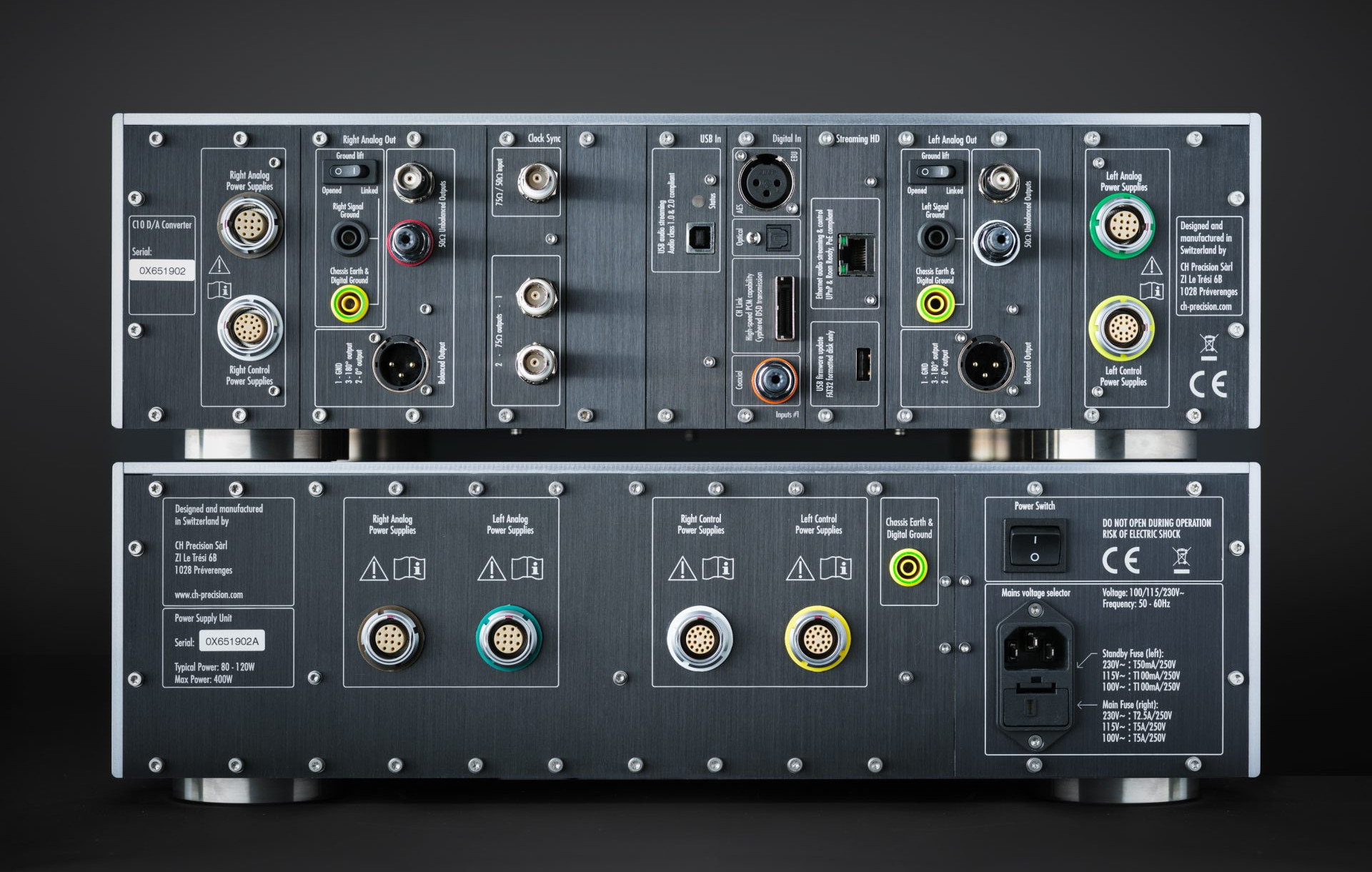
The standard input module offers identical connectivity to the output board on the D10 (CH Link-HD, AES/EBU, and S/PDIF on TosLink and RCA) with the option to add an extra digital input card, a Streaming HD or USB input, up to a total of three input modules. The real significance of the extra input card – with its CH Link-HD input – lies in the adoption of the edge connection and its I2S-based transfer protocol by a number of high-end Server manufacturers, offering a direct transfer option for file replay, akin in some ways to the Wadax Akasa connection that the Spanish company uses for its Transport and Server to DAC links. Keen CH-watchers will also notice the absence of the somewhat anachronistic 50Ω single-ended output: no loss and of no value to a product at this level.