

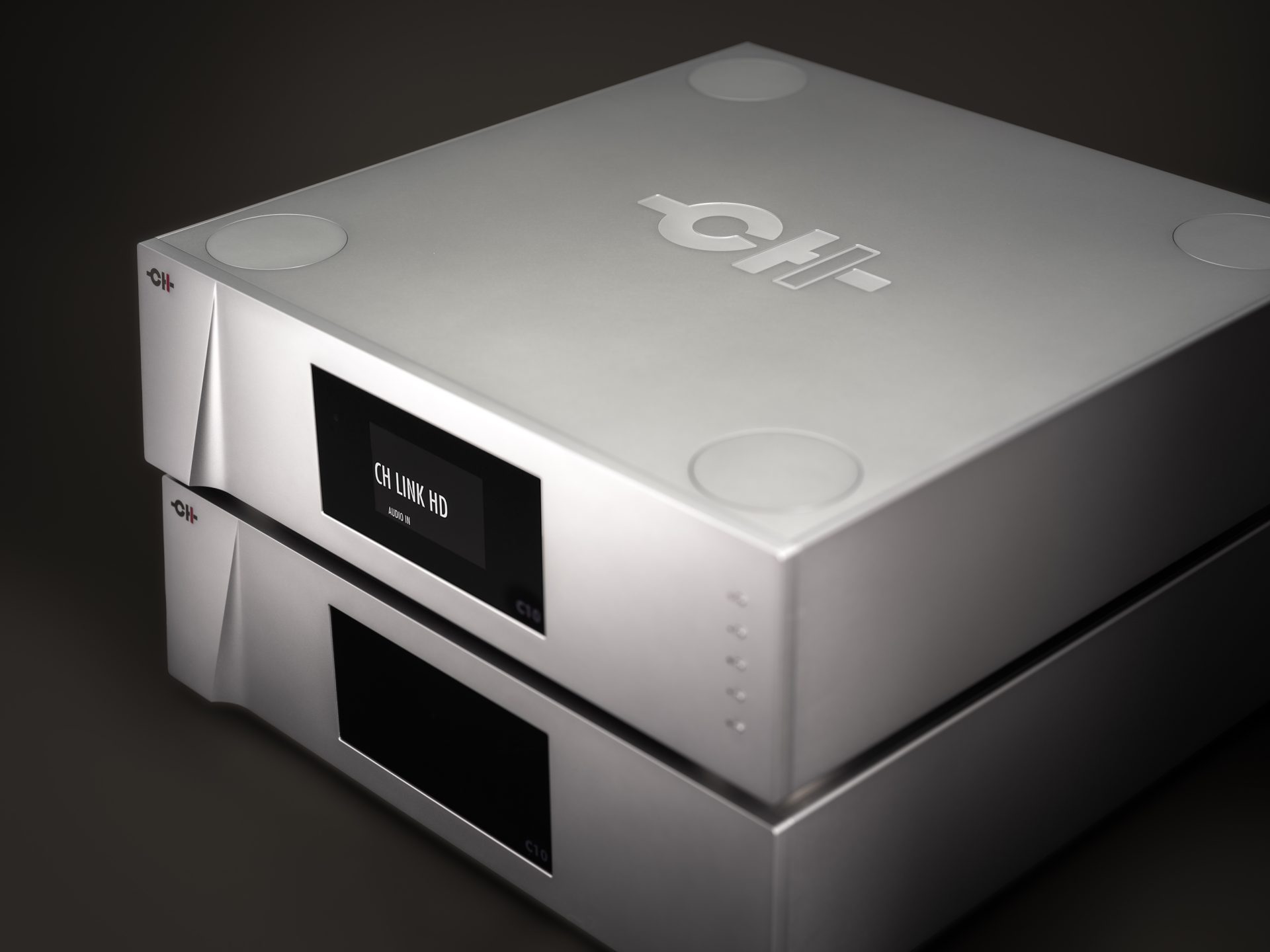
The iconoclastic Ivor Tiefenbrun loudly (and repeatedly) claimed that music was all about pitch and timing and, to a large extent he was right – even if it wasn’t the whole story. But when it comes to recorded (as opposed to live) music, you can add another factor – phase coherence. In a live situation, the placement and spatial relationships between players is a given. But a recording and the system playing it, have to reproduce those relationships if the timing and instrumental relationship within the performance are going to be preserved. Right from the first notes you hear on the D10/C10, it’s apparent that there is a crisp, explicit clarity to their sense of pace and timing that extends across the stage and band, binding the relative placement of instruments indelibly into the fabric of the performance, locking them in time and space. You hear it in the engaging musicality the system generates, the effortless way in which it communicates the sense and sensibilities of even this complex and challenging music, bring an expressive depth, energy and emotional intensity to the performance – whether it’s the lighter, wistful tones of the First Symphony, or the dramatic contrasts of the Fifth. But (perhaps ironically) you can hear it most clearly in the clarity and location of the incidental noises from the audience, the stage and between movements – noises that are no part of the performance and which the C10/D10 hold separate yet distinct, actually adding to rather than detracting from the whole. It’s all part of one big, live event.
The other quality that injects life into the 10s’ musical delivery is its remarkable dynamic performance, not just the astonishing wide-range dynamics, but the dynamic discrimination and scaling too, subtleties that breathe vitality into the playing. You hear it in the jaunty opening bars of the First, but you hear it in the heavy, sawed double bass and tuba ‘grunts’ that punctuate and underpin the opening of the Fifth.
Roll those capabilities together and you have ability to capture complex, layered music, to track scale and shifts in density – but also to reflect the small, the intimate and the subtle, the incidental and the almost accidental: all things that are part and parcel of bringing great performances and great music to life. Play the second movement of that Shostakovich First and revel in the vivacious piano part and its emphatic last words, be startled by the impact, complexity but above all the stability and substance, of those orchestral detonations in the climax. It’s a performance that has the presence and immediacy, musical coherence and expressive range to engage and compel your attention, the headroom and control to maintain the semblance of real musicians in a real place: Nothing detracts, nothing distracts.
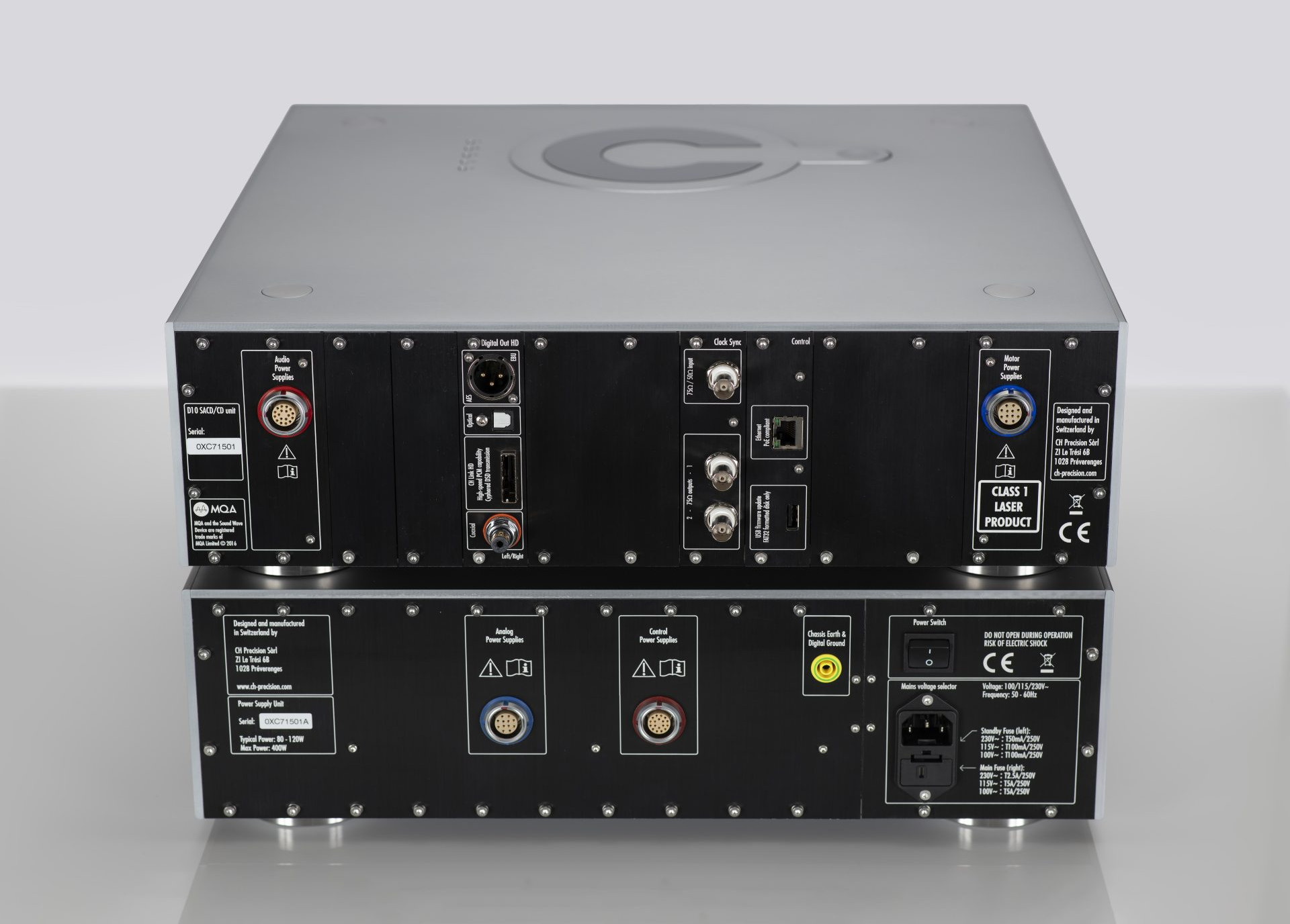
Despite such unbridled enthusiasm, there’s more to come – and not just in the shape of extra boxes. You will gain significant depth, transparency and dynamic range by the simple expedient of switching off the unused inputs on the C10 and the Clock Sync connections on both units. You can also set the DAC’s output level (1, 2.5 or 5V) to best match your line-stage. At this performance level such niceties can have a surprising input. It goes without saying that the power/standby LEDs should be defeated and you can also have the screens dim or switch off when not actually responding to input. As with previous CH disc spinners, the display can also be set to change colour, reflecting different formats. Get things dialled in, extract the last ounce of performance and performance – THE performance – is what you get.